Amalfi Coast & Sorrento
Cliffside villages, lemon groves and boat days: the Amalfi Coast and Sorrento, with Capri and Pompeii close by. About 3 hours from the UK.
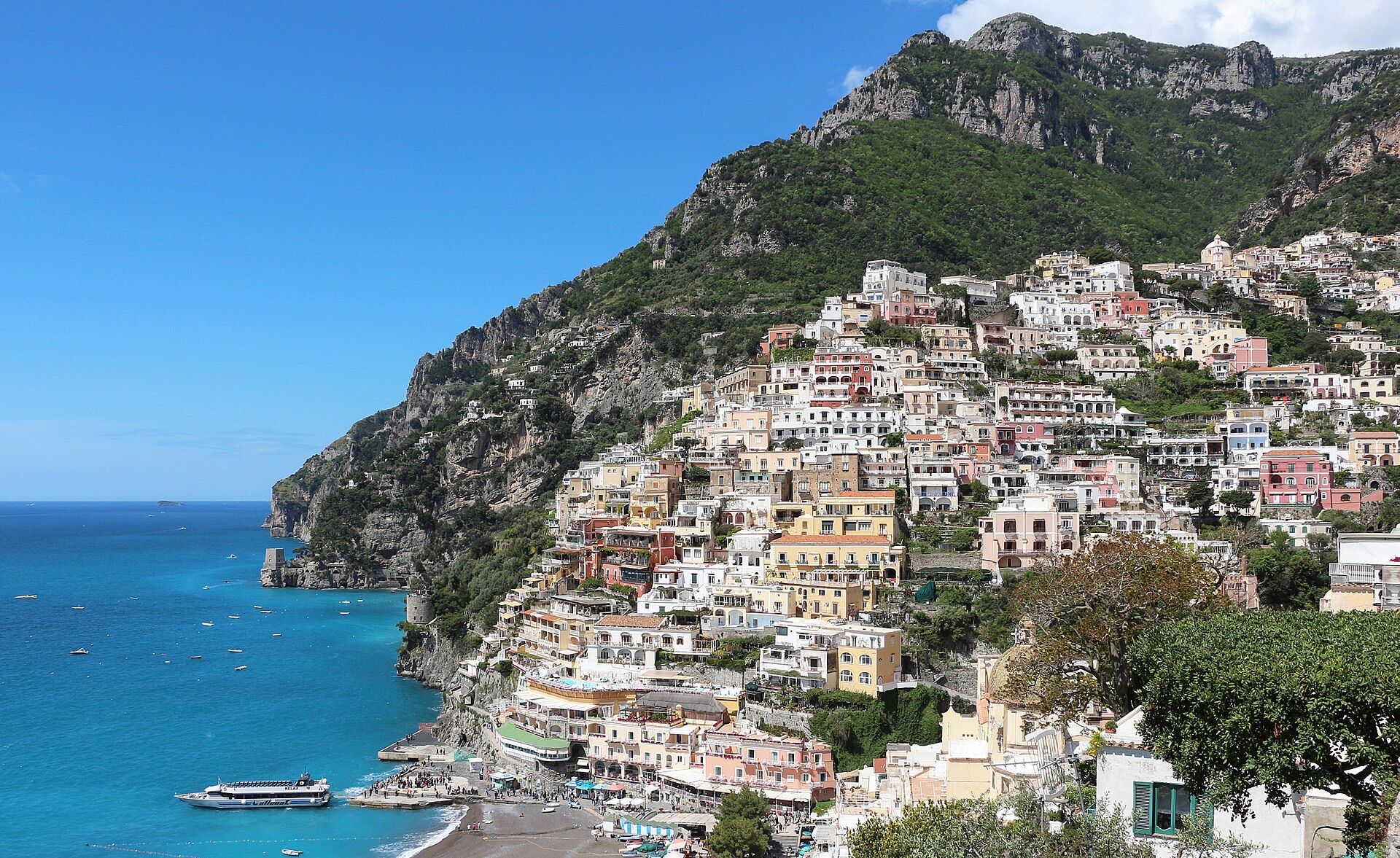
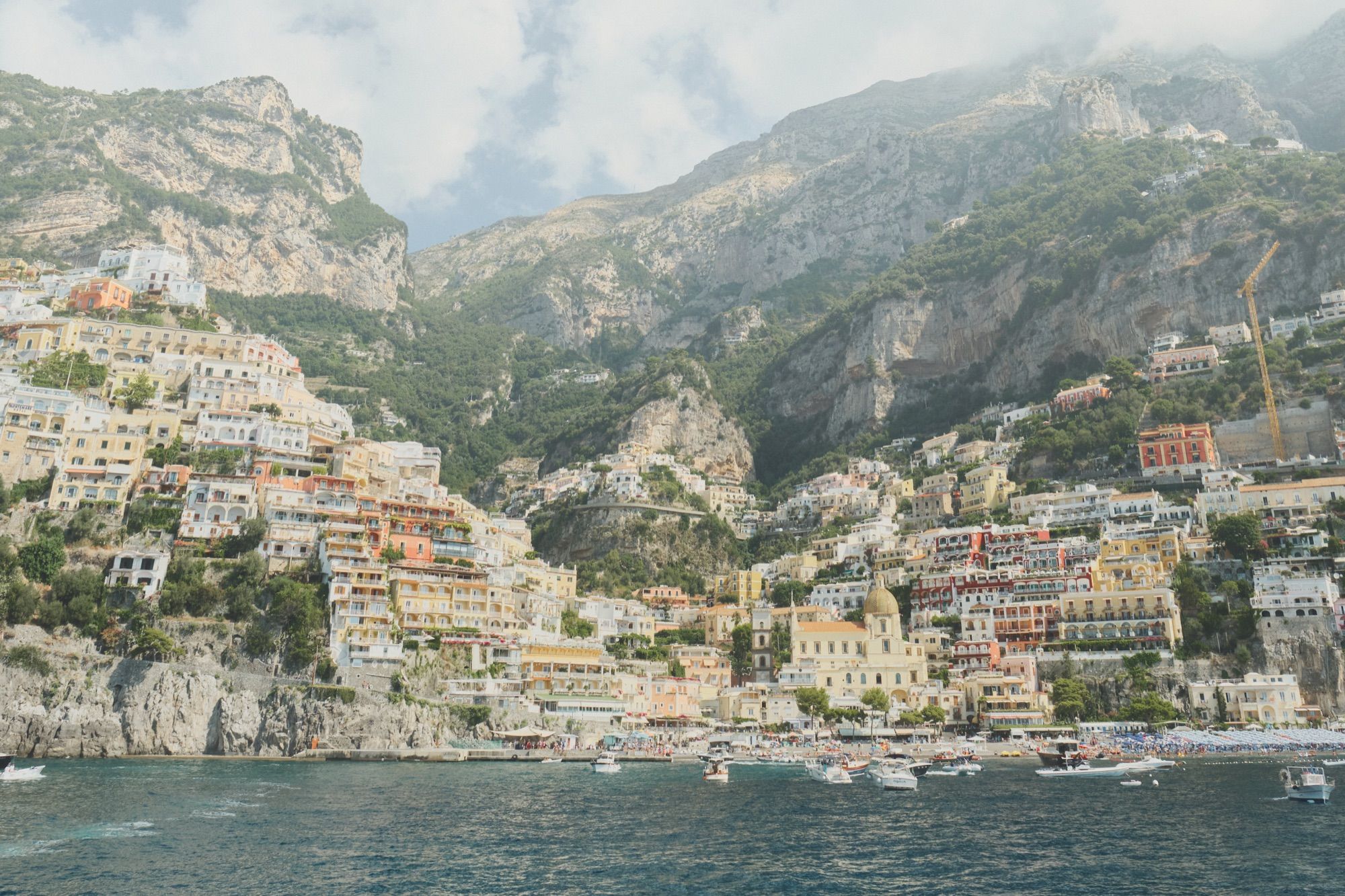
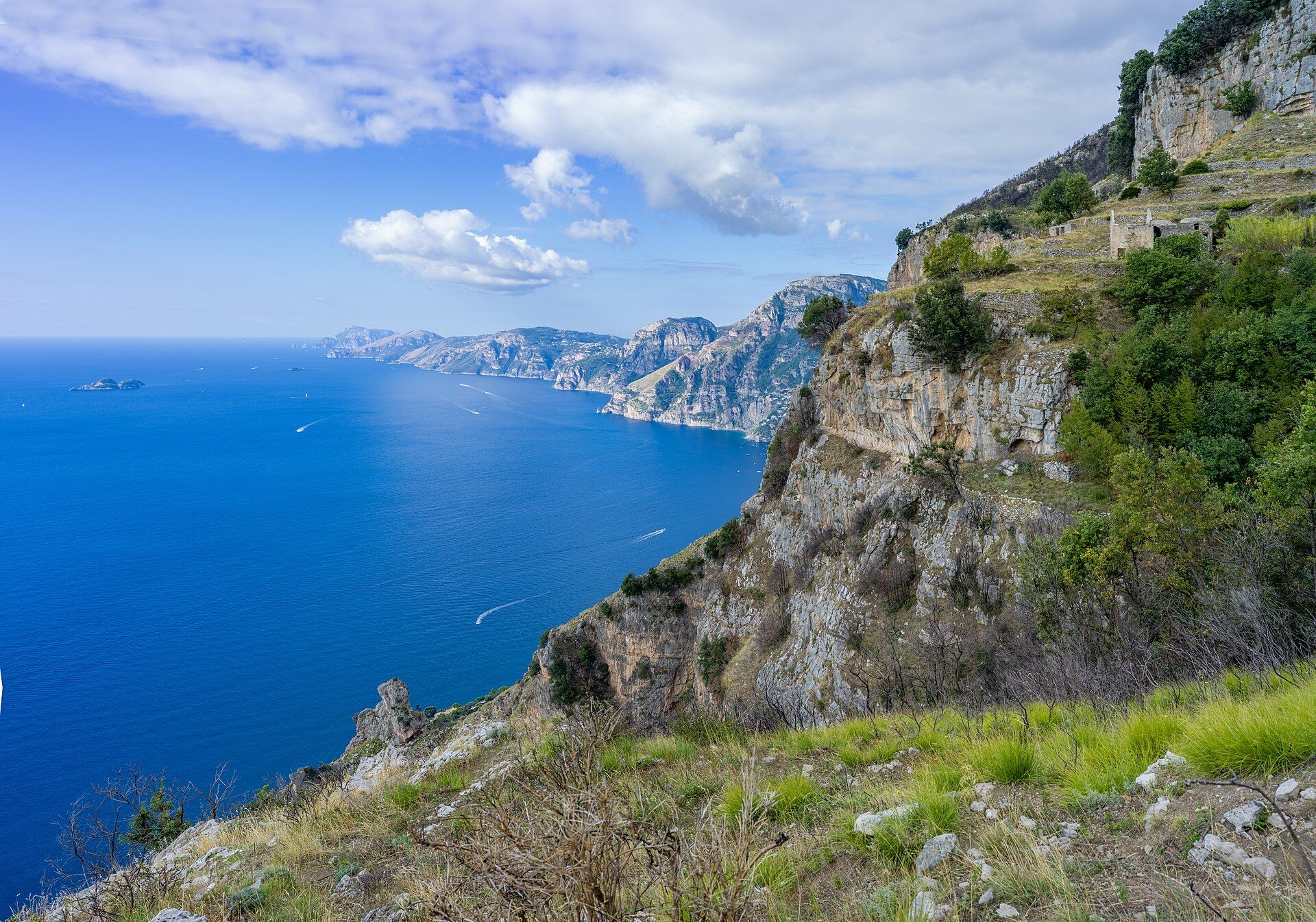
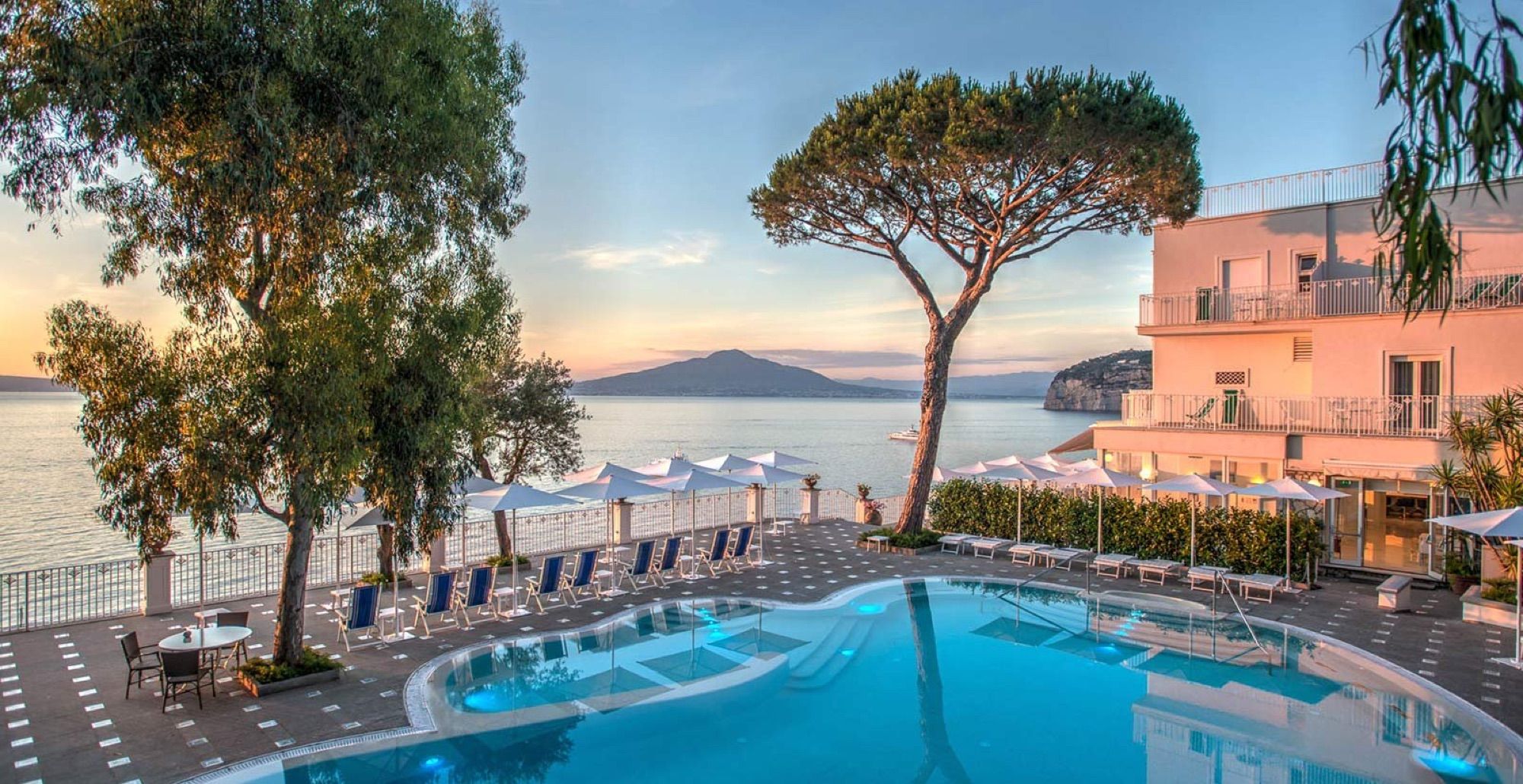
The Amalfi Coast is a run of cliffs, lemon terraces and pastel villages dropping into the Gulf of Salerno, in the Campania region of southern Italy. It has been a UNESCO World Heritage Site since 1997. Just across the peninsula, Sorrento looks over the Bay of Naples to Vesuvius and makes an easy, well-connected base for the whole area.
Why go
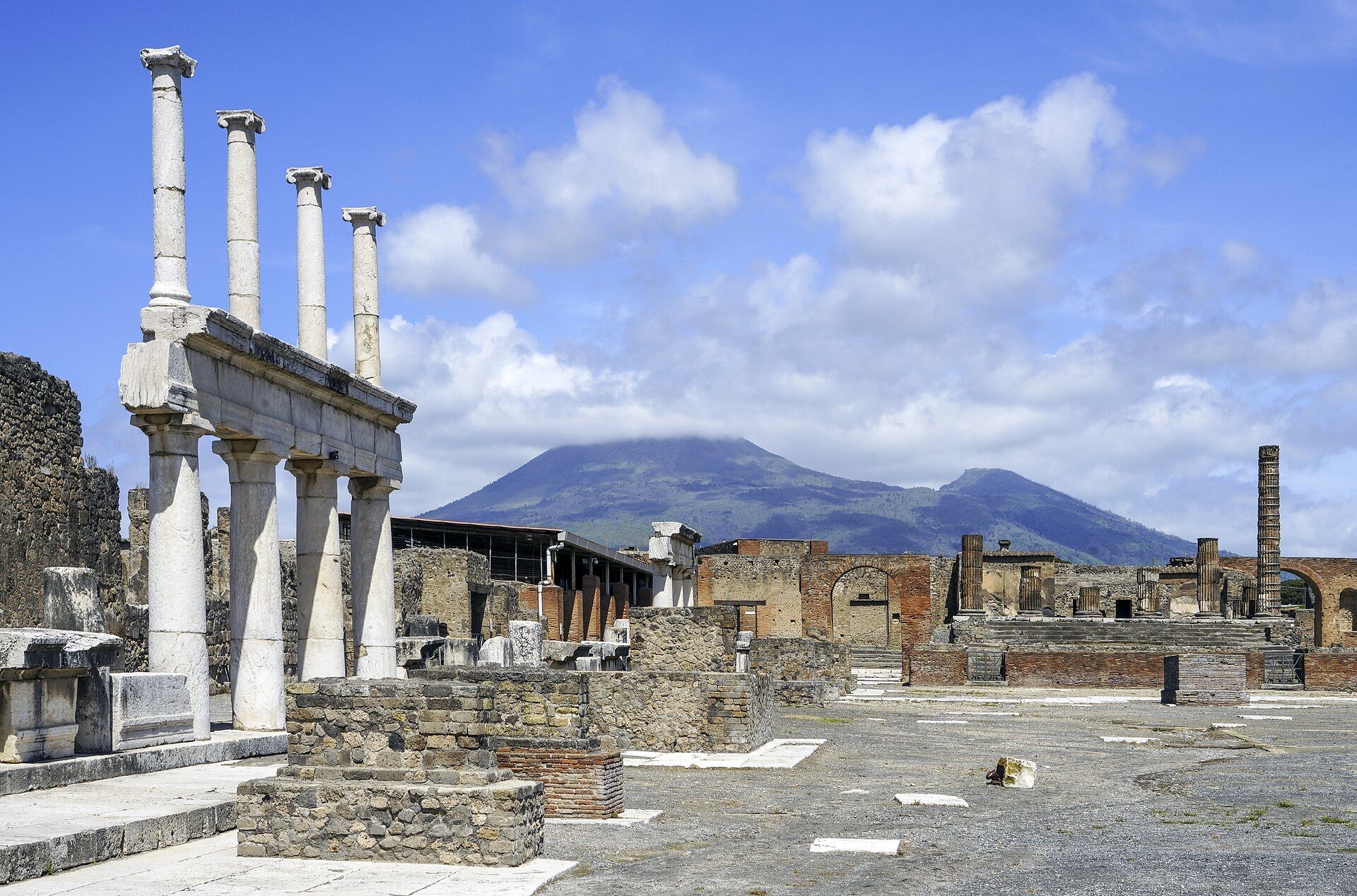
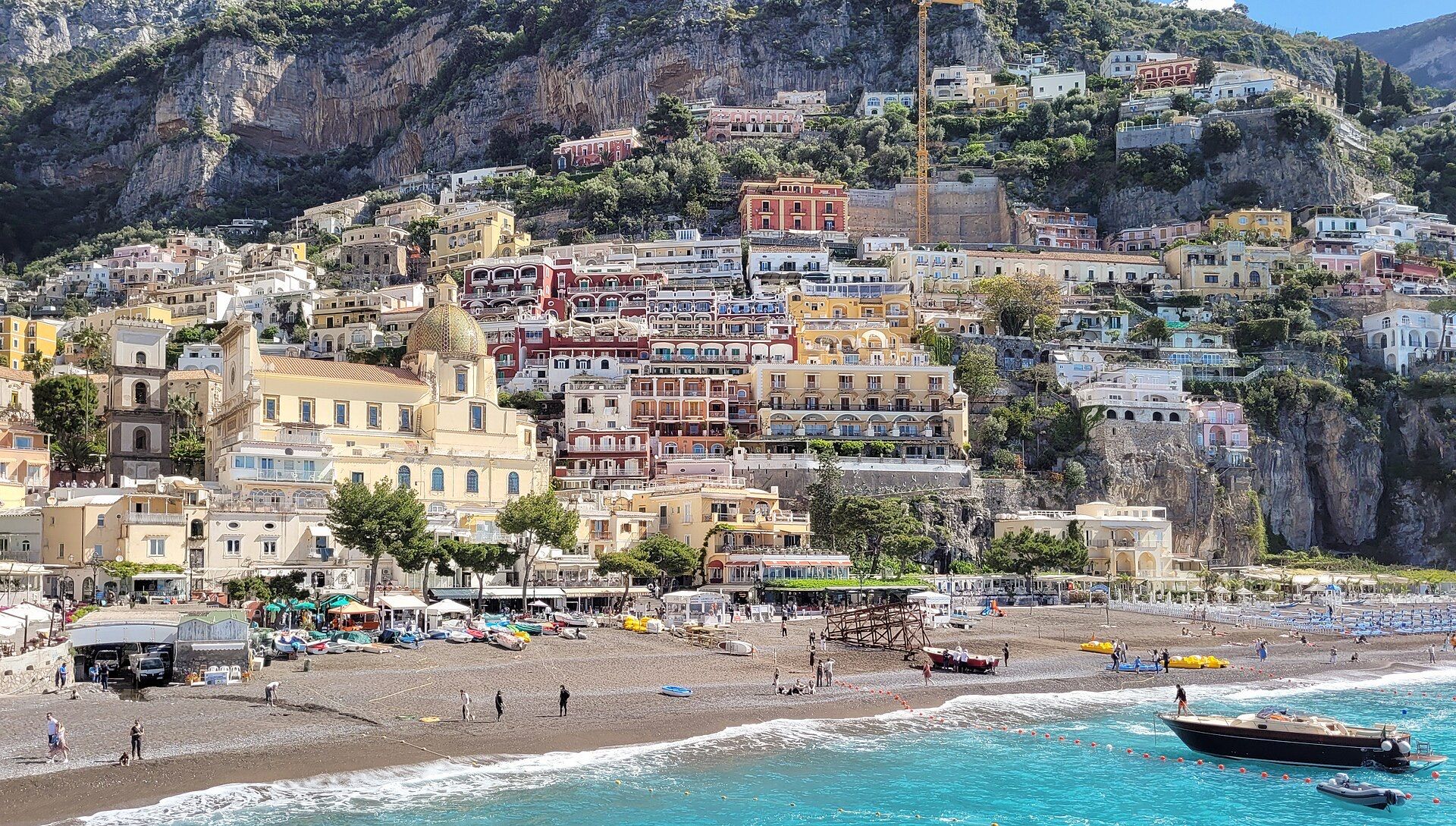
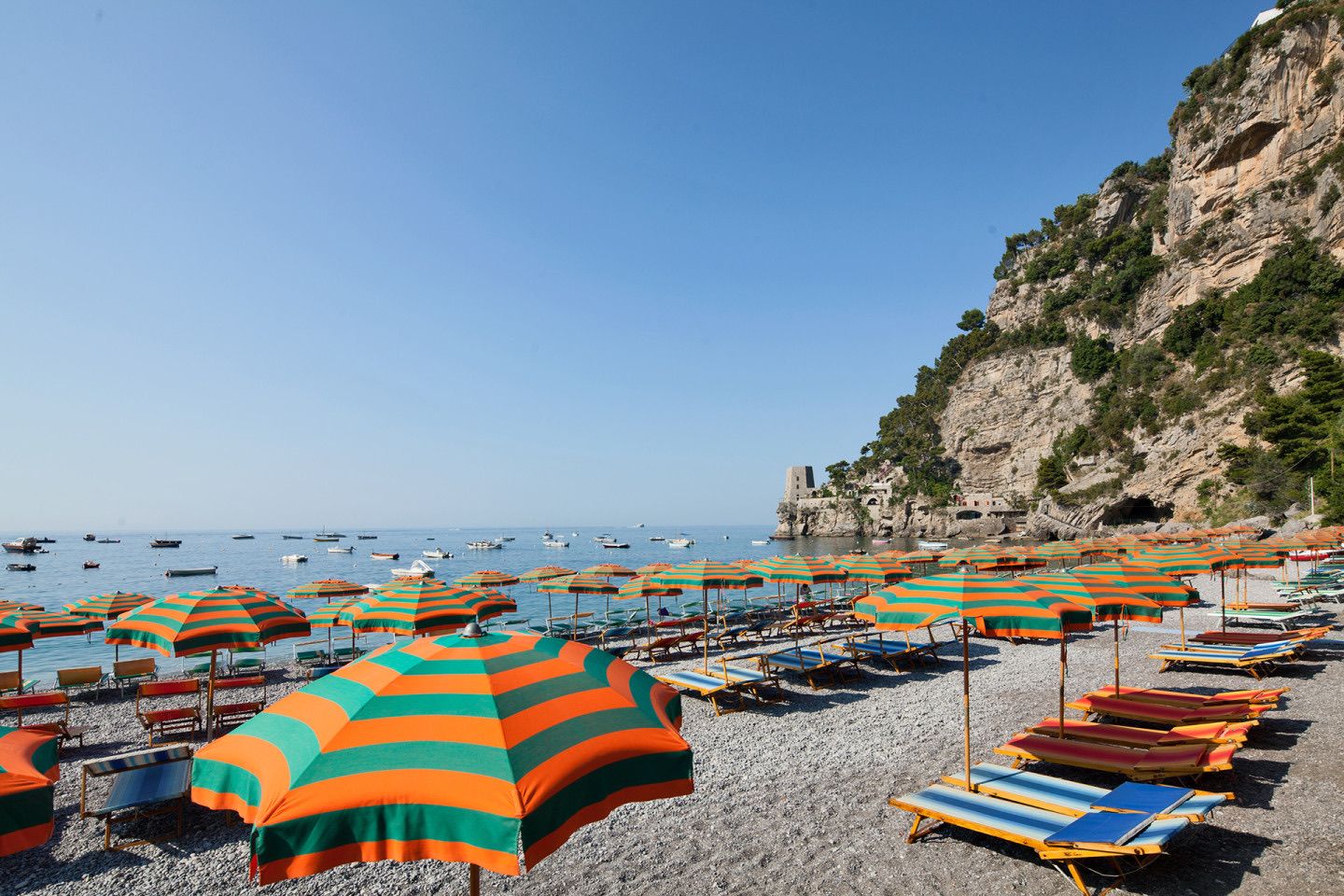
Come for the views and stay for the everyday pleasures: a swim off the rocks below Positano, a lemon granita in Amalfi's cathedral square, dinner on a terrace as the lights come on along the coast. Boats link the towns in summer, Capri is a short crossing away, and the Roman cities of Pompeii and Herculaneum, buried by Vesuvius in AD 79, are within a day trip.
When to go
May, June and September are the sweet spot: warm days in the mid-20s °C, sea warm enough to swim and fewer crowds than in high summer. July and August are hot, often above 30 °C, and busy. October is still mild, but autumn brings the most rain. Winter is quiet and cool, around 13 °C by day, and many hotels and boat services close or run a reduced timetable.
Getting there from the UK
Fly to Naples (NAP), about 2 hours 30 minutes to 3 hours from the UK. British Airways, easyJet, Jet2, Ryanair and TUI fly from airports including Heathrow, Gatwick, Stansted, Manchester, Birmingham, East Midlands, Leeds Bradford, Newcastle, Edinburgh and Glasgow, many of them seasonally. The transfer by road takes roughly 1 hour 15 minutes to Sorrento and about 1 hour 30 minutes or more to Amalfi and Minori, depending on traffic. Tell us your airport and dates and we'll find the best option.
Where to stay
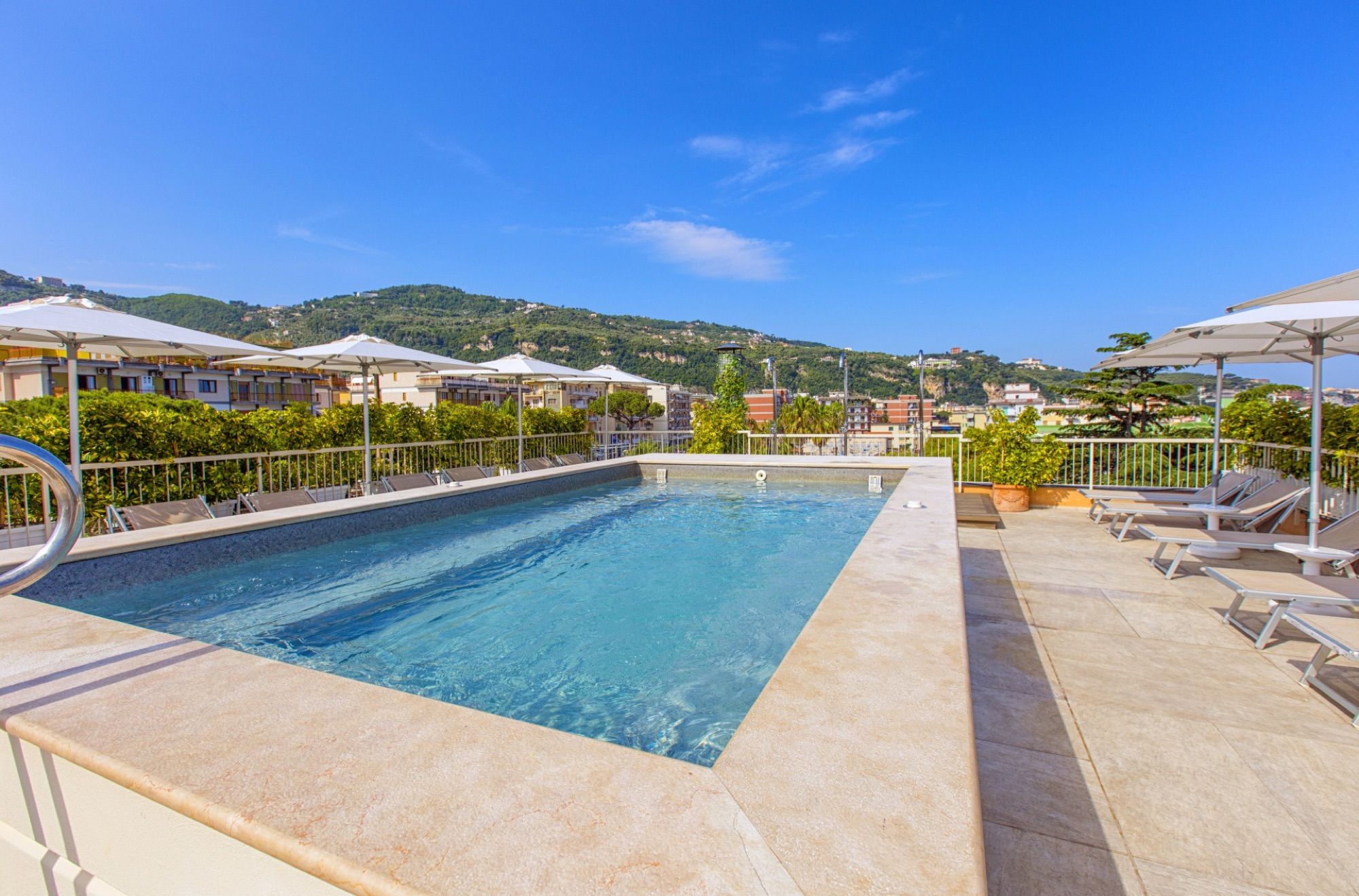
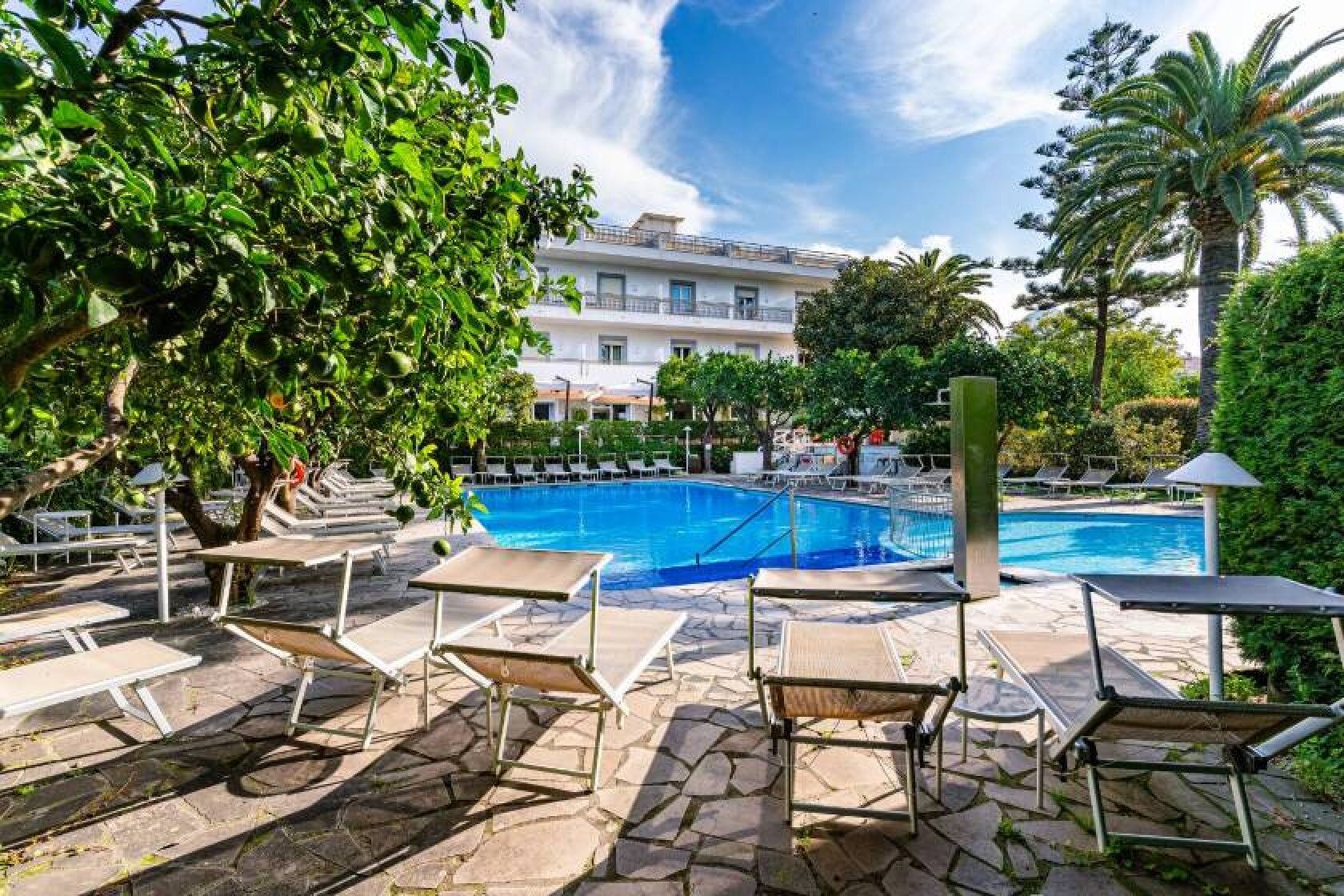
- Sorrento and Sant'Agnello: the practical choice, with the most hotels, pools and restaurants, trains to Pompeii and ferries to Capri, Positano and Amalfi.
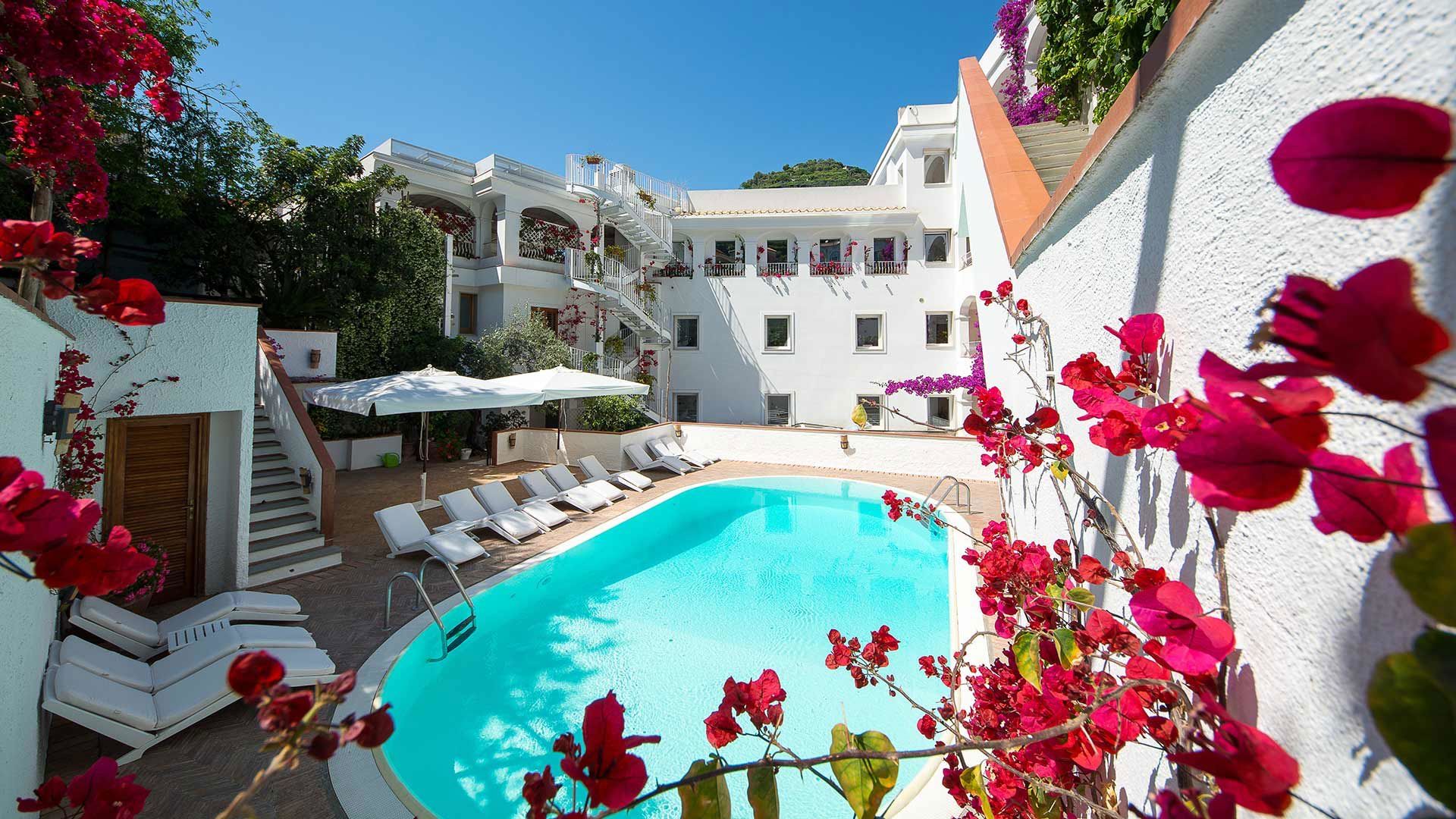
- Positano: the postcard village, all steps and sea views; best for couples who don't mind climbing.
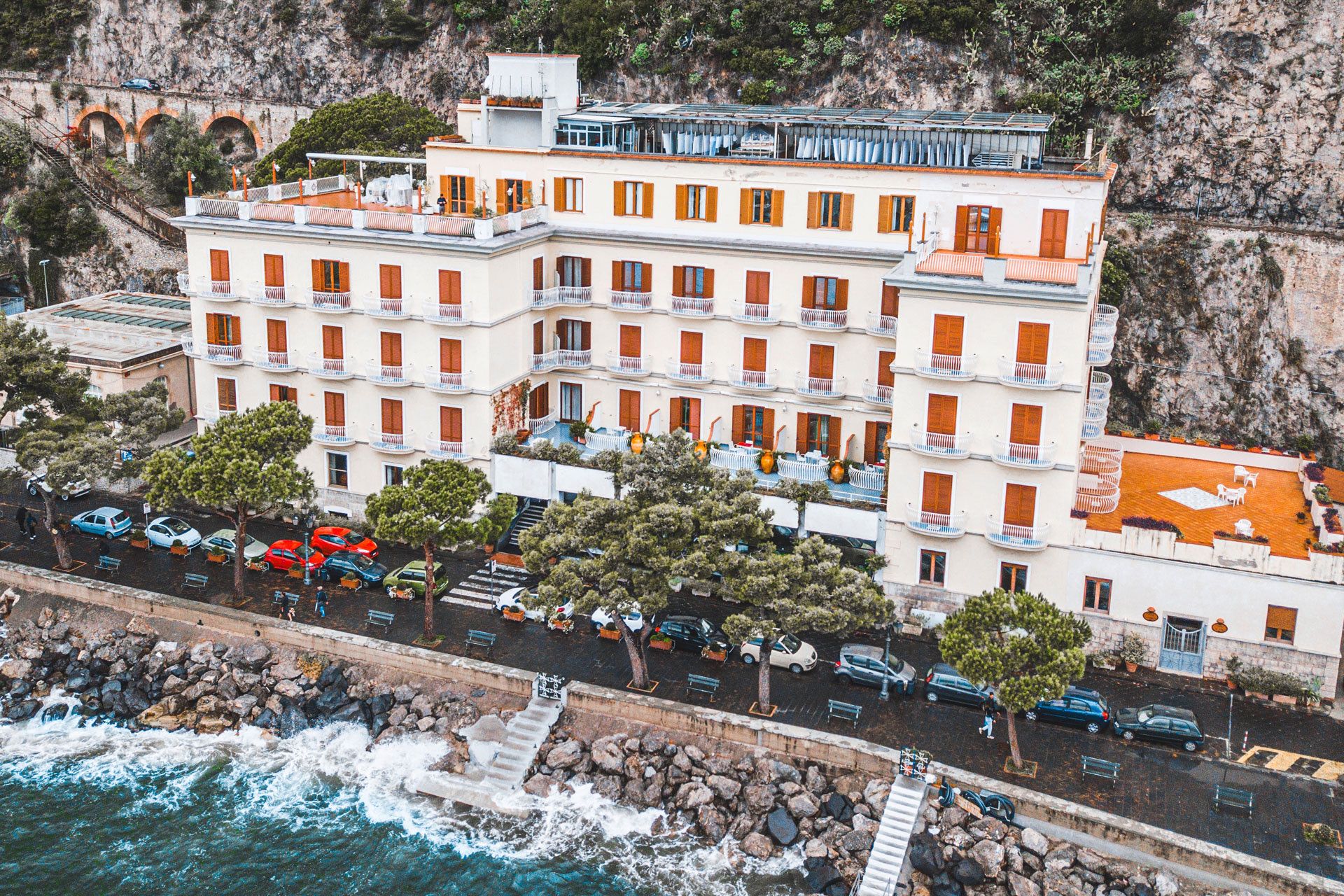
- Amalfi: the coast's historic hub, flat enough to stroll, with the main ferry pier and bus terminal.
- Minori and Maiori: relaxed seaside towns with wider beaches, good for families and longer stays.
What to do
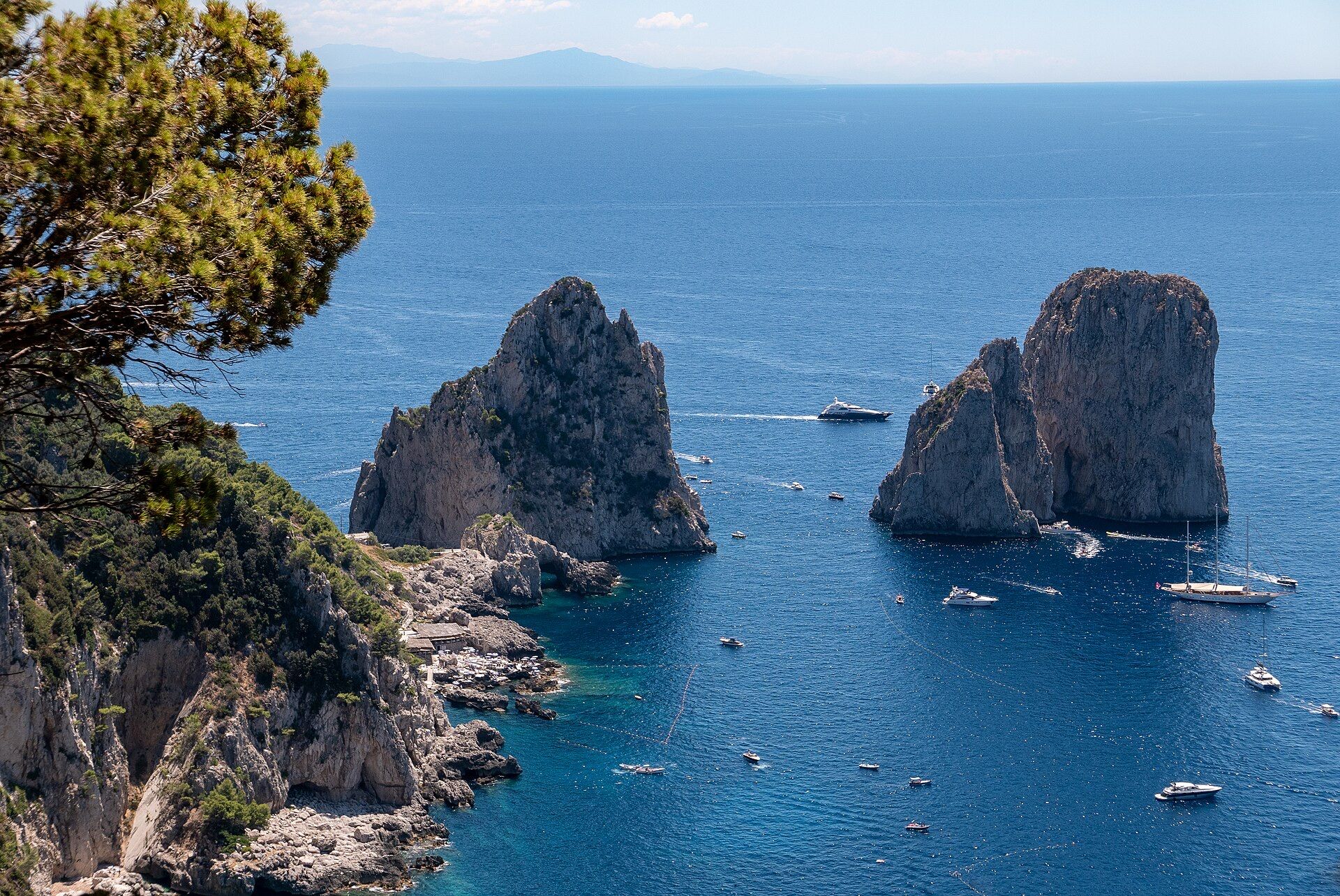
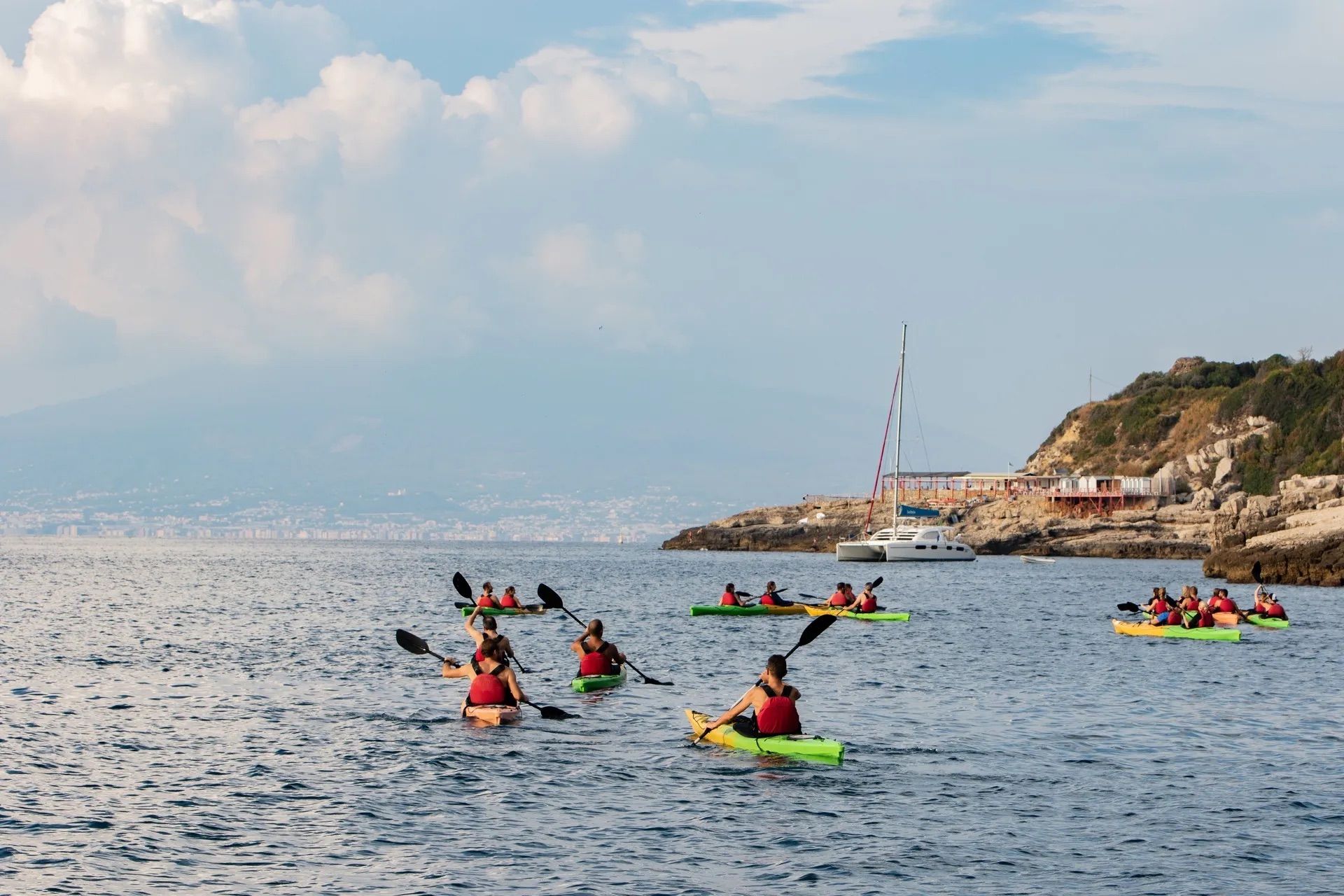
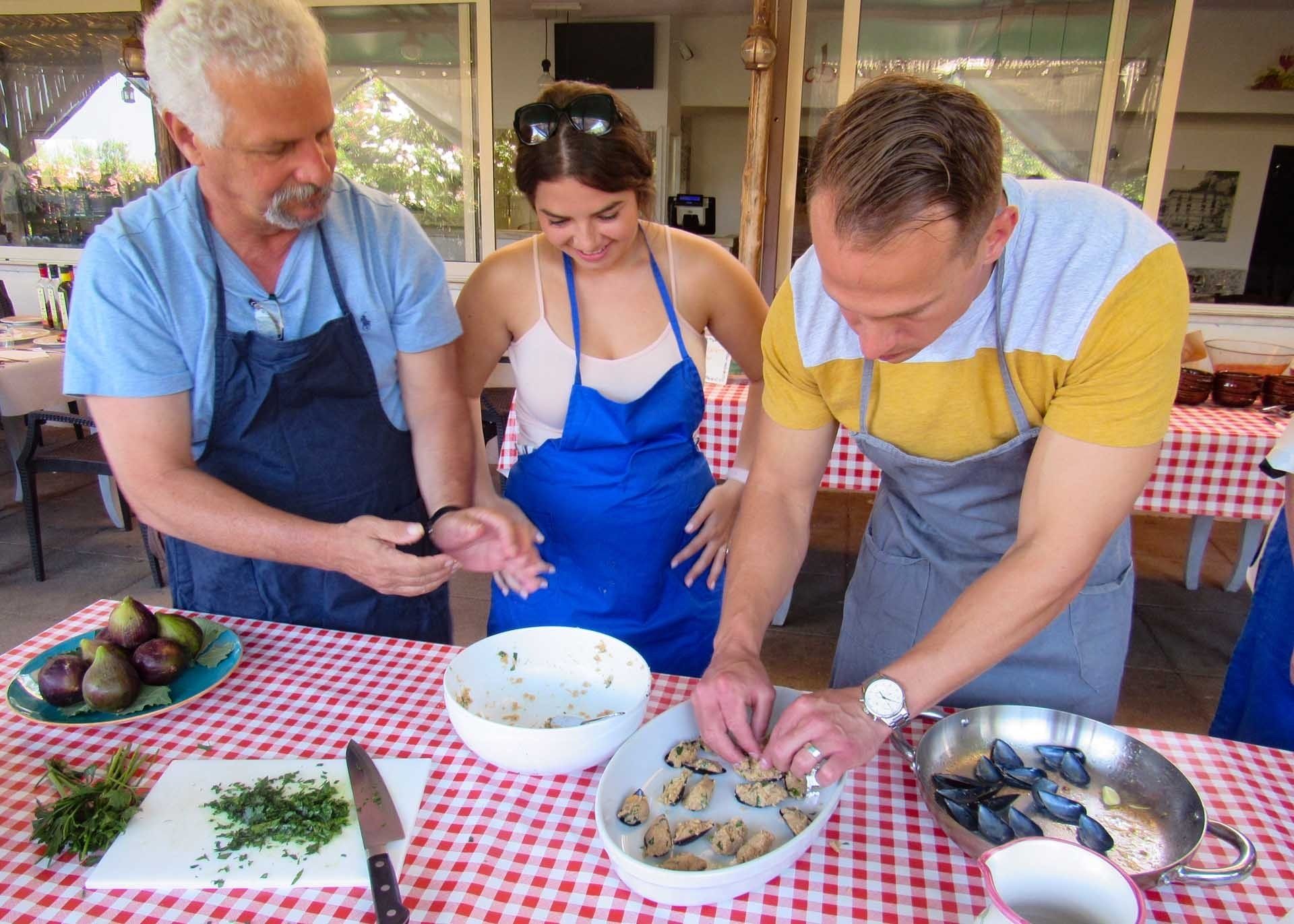
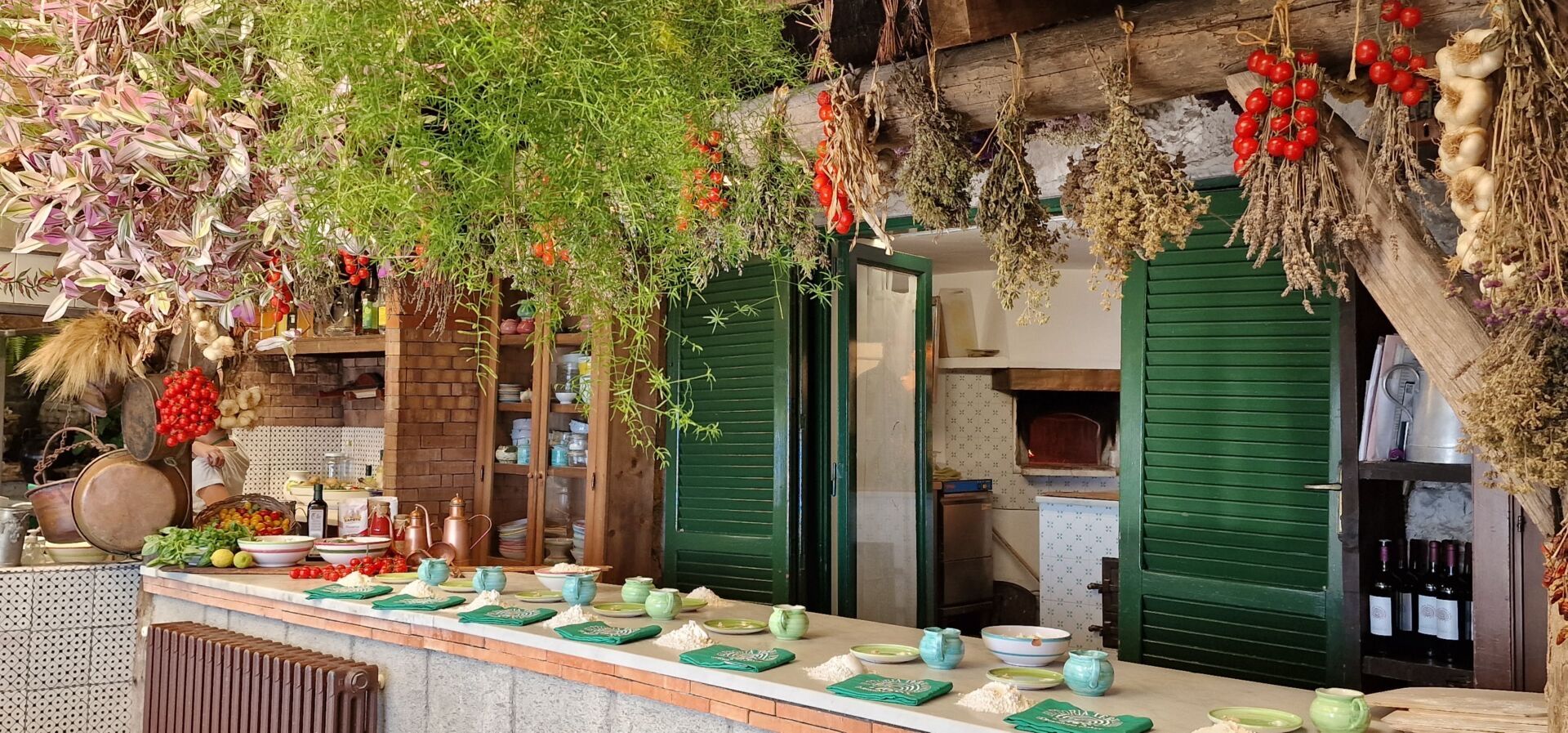
Take a boat along the coast to Positano and Amalfi, or round Capri to the Faraglioni rocks and the Blue Grotto. Walk the Path of the Gods high above Positano. Visit Pompeii and climb to the crater of Vesuvius. Wander the gardens of Villa Rufolo in Ravello, paddle a kayak to the Baths of Queen Giovanna near Sorrento, and learn to make fresh pasta in a local kitchen.
Food and drink
Lemons are everywhere, from limoncello and delizia al limone (a lemon-cream sponge) to lemon-leaf-wrapped mozzarella. Try gnocchi alla sorrentina, baked with tomato and mozzarella, scialatielli pasta with seafood, colatura di alici (anchovy essence) from Cetara, and a sfogliatella pastry for breakfast. And the pizza is excellent.
Good to know
- Currency: euro (EUR)
- Time: one hour ahead of the UK all year
- Language: Italian; English is widely spoken in hotels and tourist areas
- Plugs: types F and L, 230 V. Bring a European adaptor
- Getting around: the coast road is narrow and busy in summer; ferries, buses and organised tours are easier than a hire car
- Tourist tax: towns charge a small nightly tax, paid at the hotel
- Passports: check the latest entry rules for Italy before you travel
Tell us your airport and dates and we'll tailor your Amalfi Coast holiday.