Mauritius
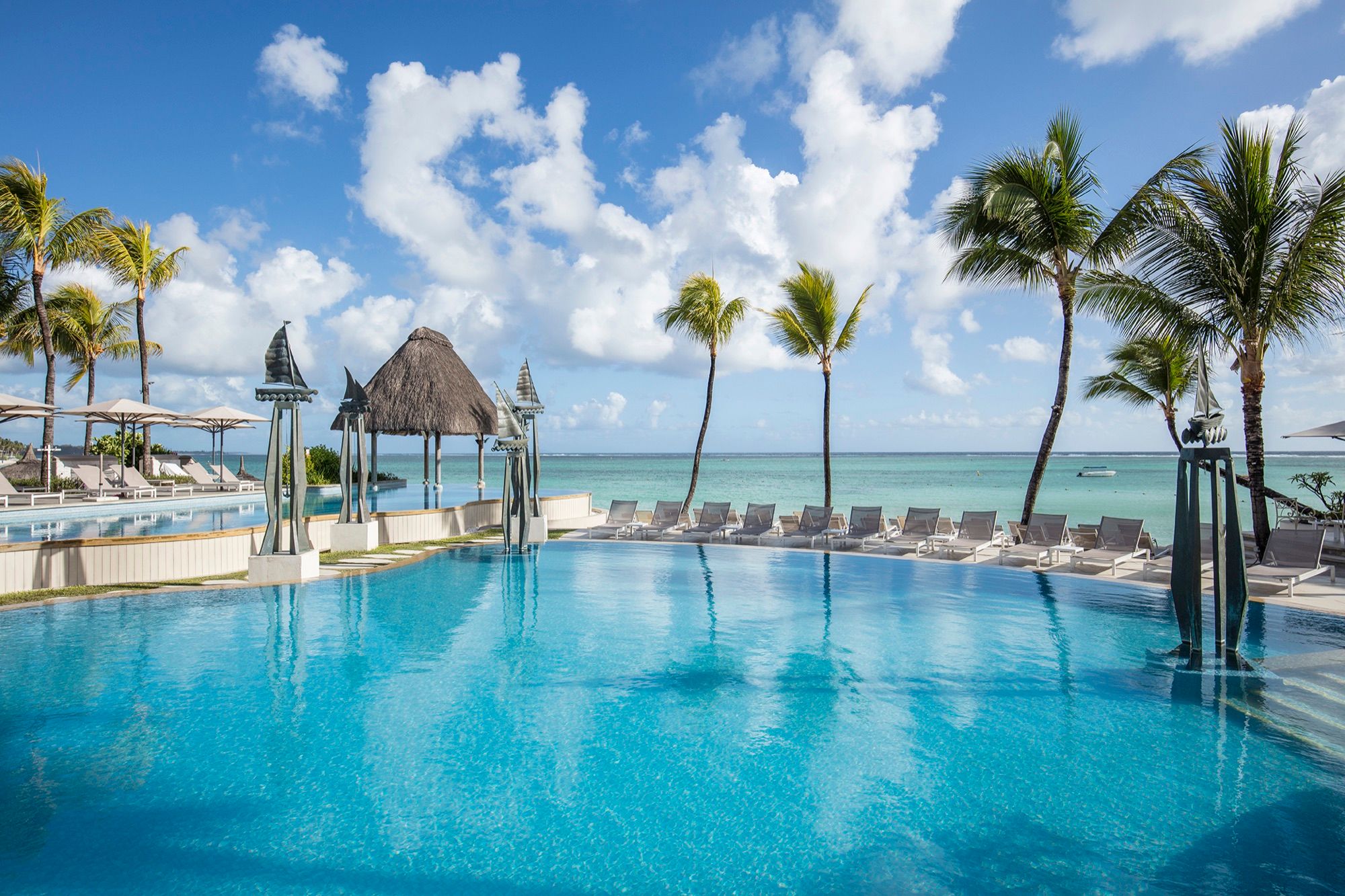
Coral-reef lagoons, Creole food and green mountains in the Indian Ocean, with good-value resorts on every coast.
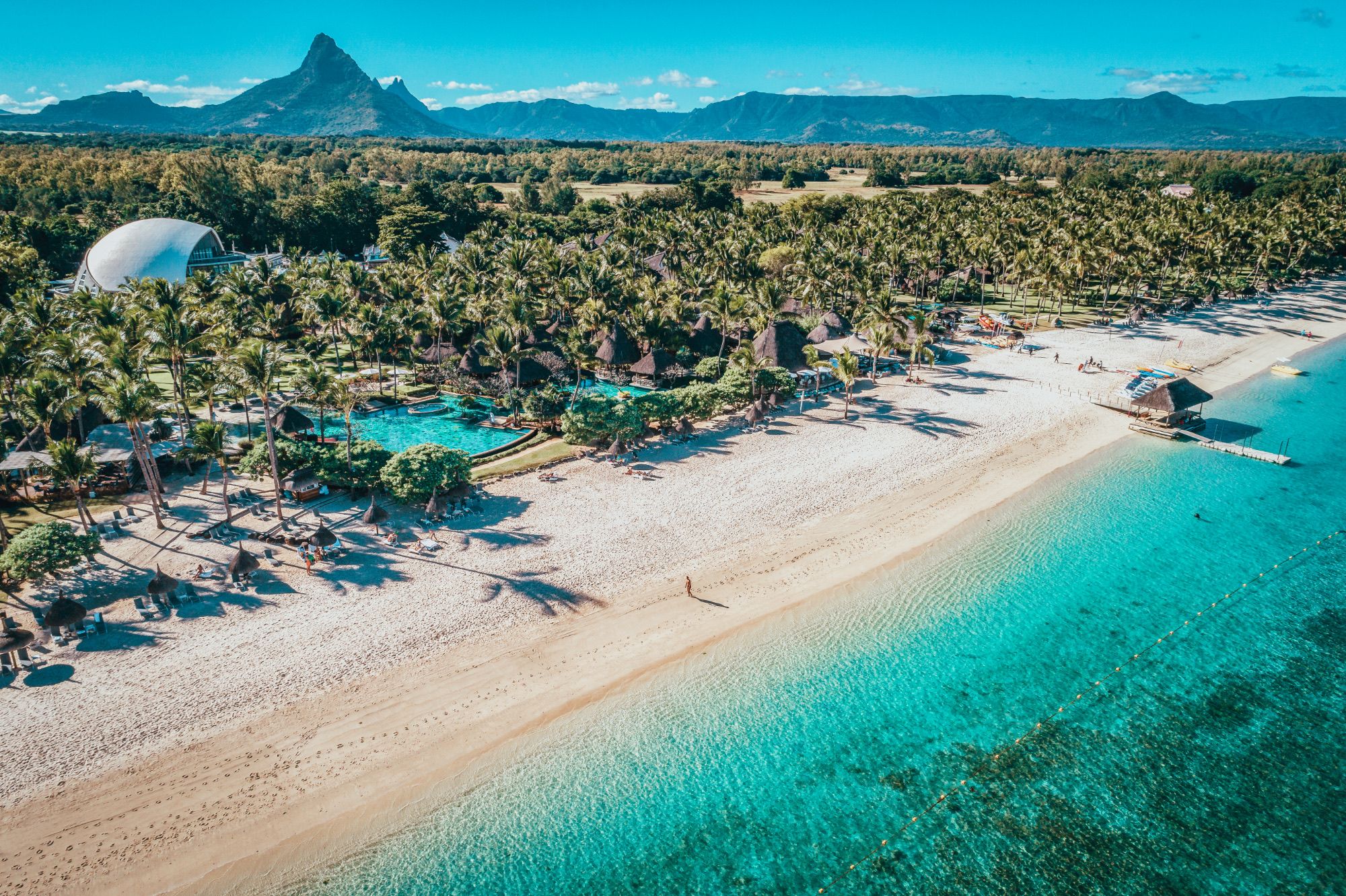
Mauritius sits in the Indian Ocean east of Madagascar, ringed by coral reef and a calm turquoise lagoon. Beyond the beaches you'll find sugar-cane fields, forested gorges, Hindu temples and a food scene that mixes Creole, Indian, Chinese and French cooking. Days here are easy: swim in the morning, explore after lunch, eat well at night.
Why go
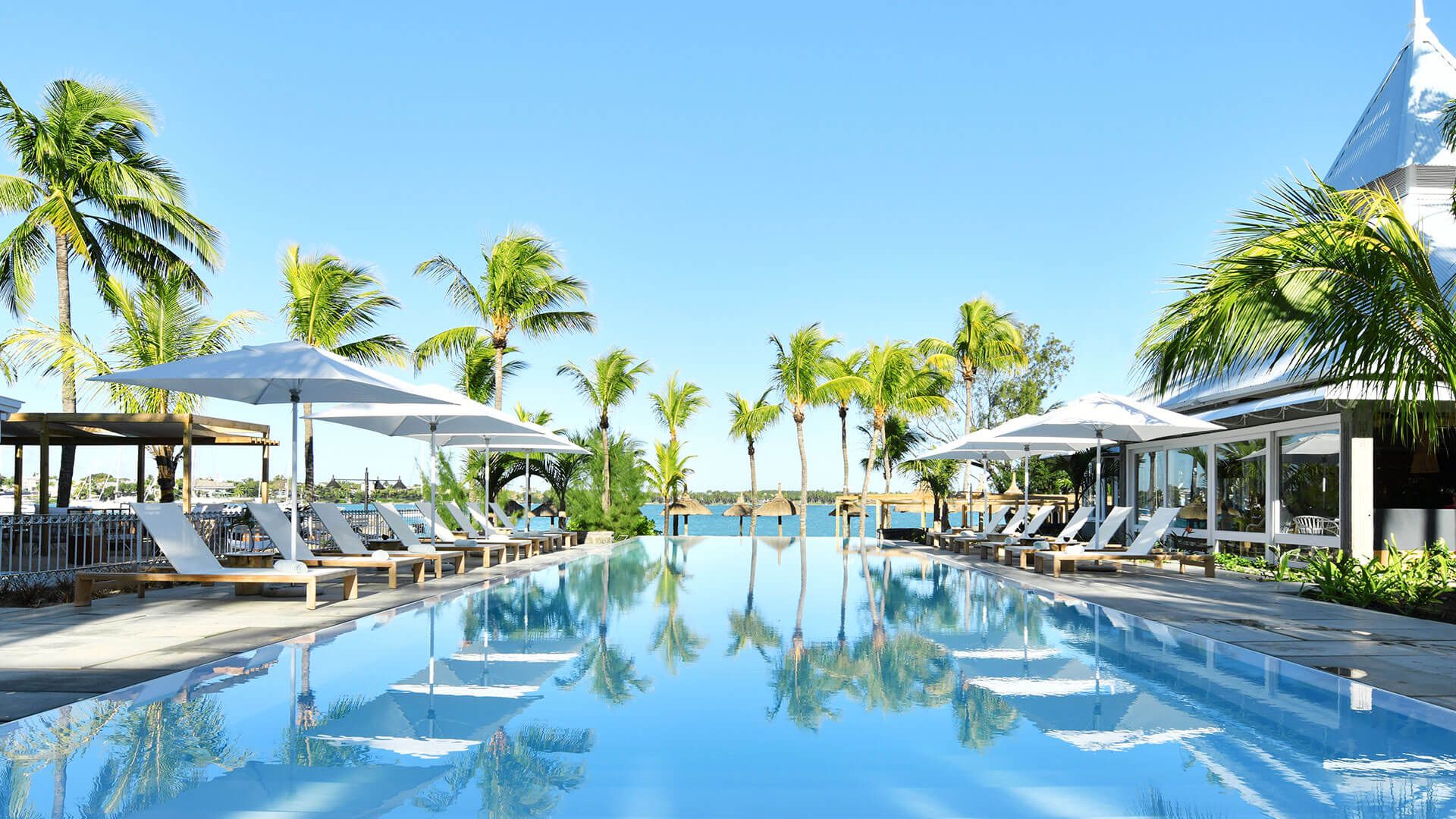
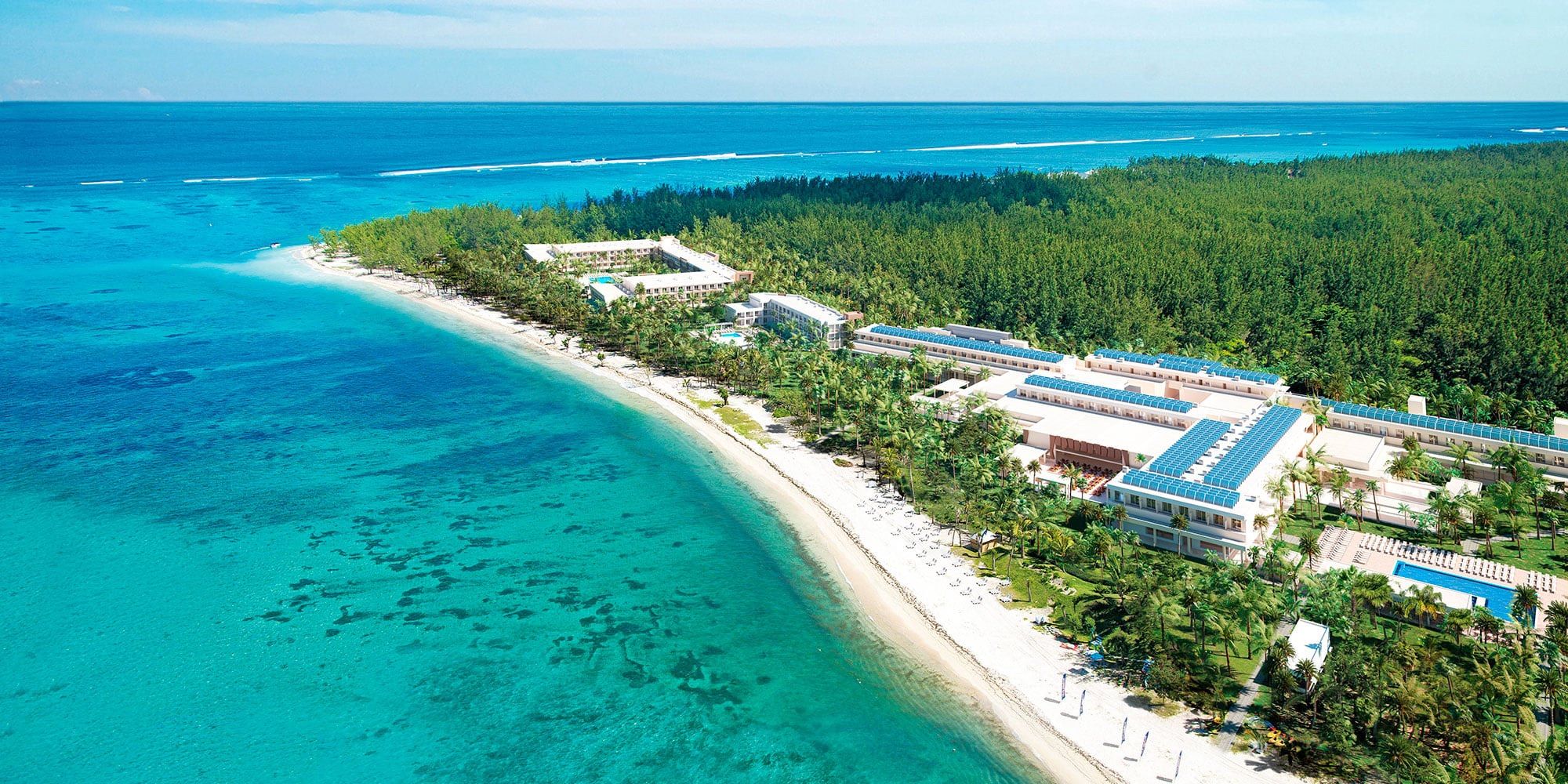
- The lagoon. The reef keeps most beaches sheltered, so the water is shallow and clear for swimming, snorkelling and boat trips.
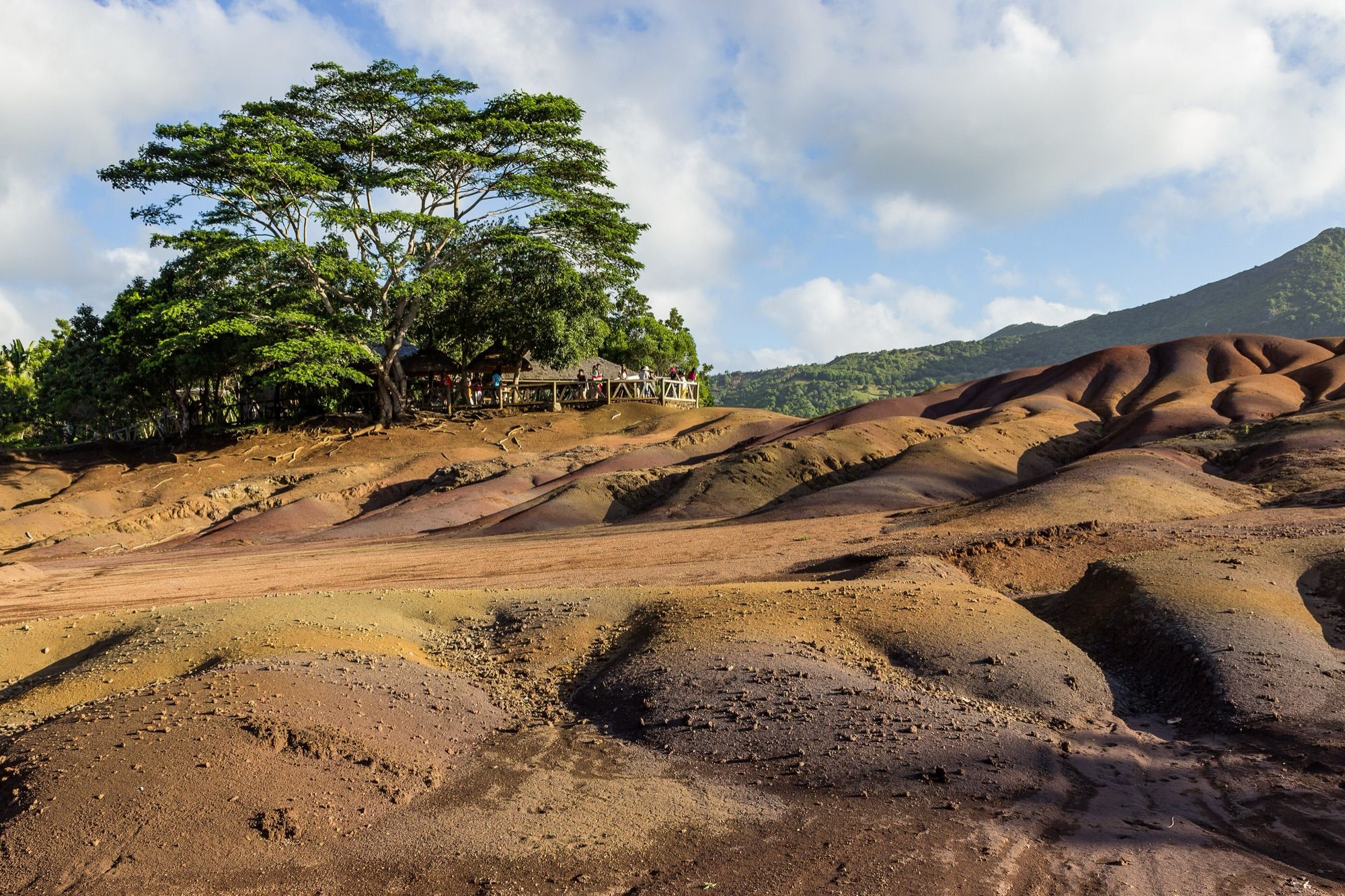
- Variety in a small space. The island is compact, so in one day you can go from the beach to the Black River Gorges and the coloured earth of Chamarel.
- Culture you can taste. Temples, markets and street food reflect a population with roots in India, Africa, China and France.
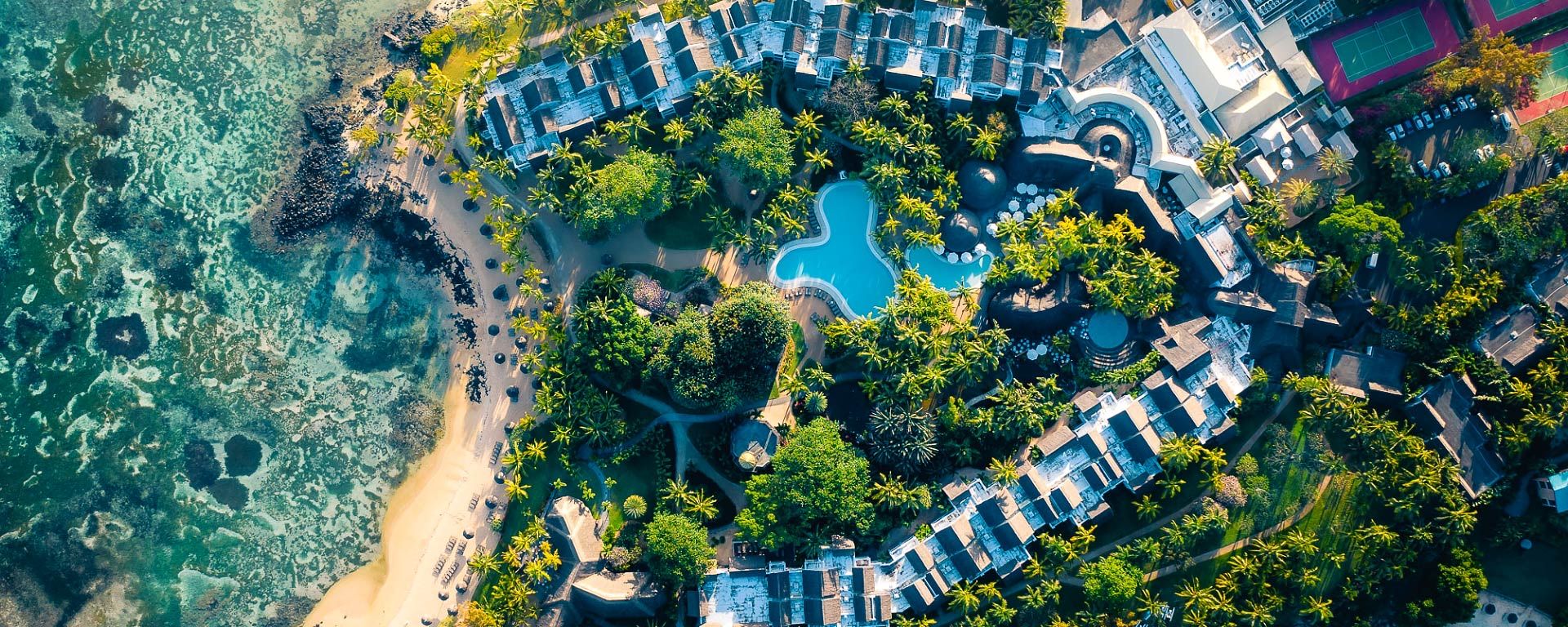
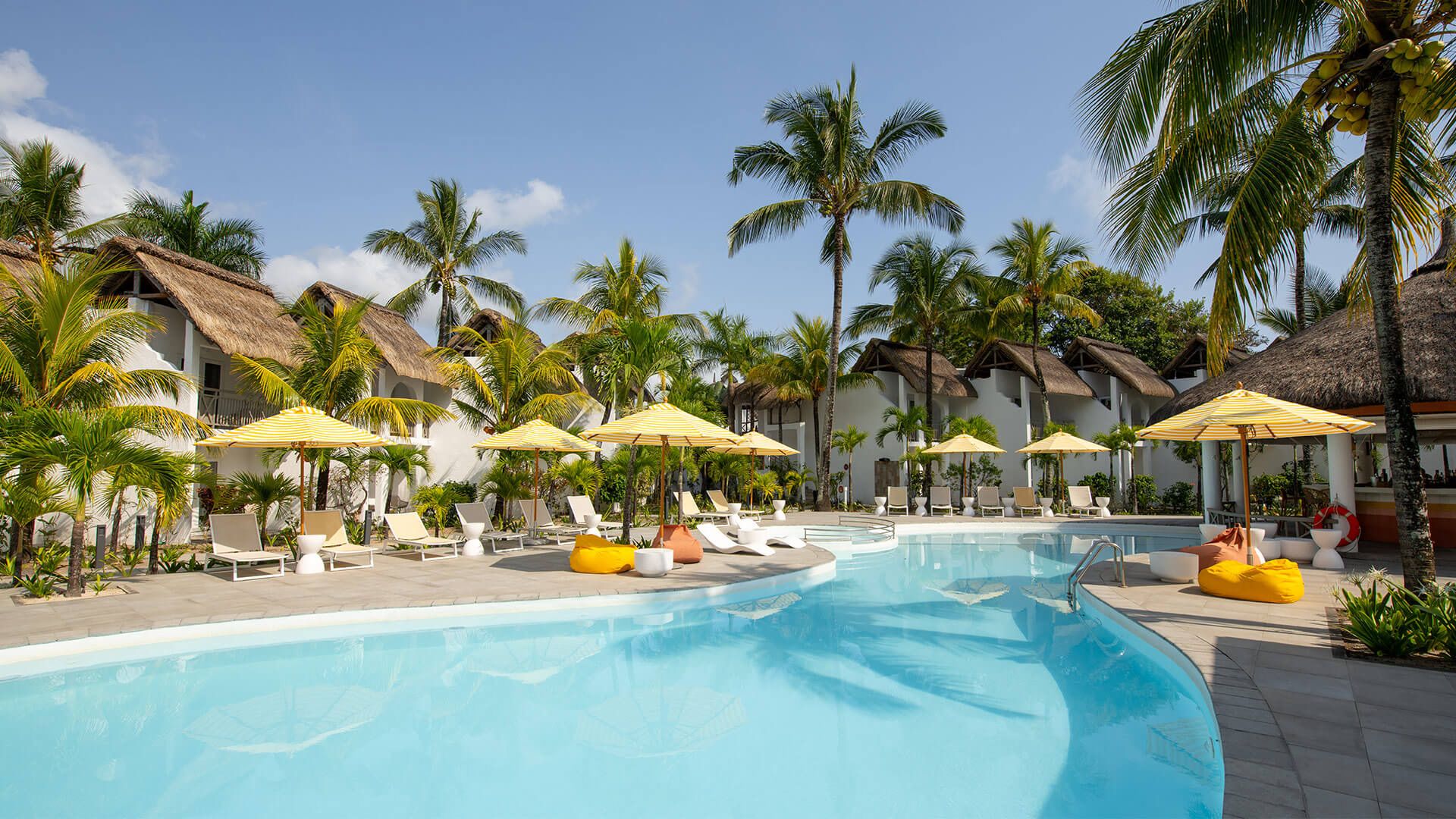
- Good-value resorts. Plenty of well-run 3★ and 4★ hotels offer all-inclusive stays, kids' clubs and free water sports.
When to go
Mauritius is warm all year. Summer runs from November to April: hot and humid, with daytime highs around 29 °C, the warmest sea and occasional cyclones, mostly between January and March. Winter (June to September) is drier and fresher, with pleasant days and cooler nights. The west coast is usually the driest and sunniest; the east gets more of the trade winds. For most people, May and September to November strike the best balance.
Getting there from the UK
British Airways and Air Mauritius fly direct from London Gatwick, a flight of roughly 12 hours. From regional airports you can connect through the Gulf or Europe. The international airport is in the south-east, so allow for a transfer to your hotel; we arrange this as part of your trip.
Where to stay
- North (Grand Baie, Pointe aux Canonniers, Trou aux Biches): lively, with restaurants, shops and boat trips to the northern islets. Good for first-timers and families.
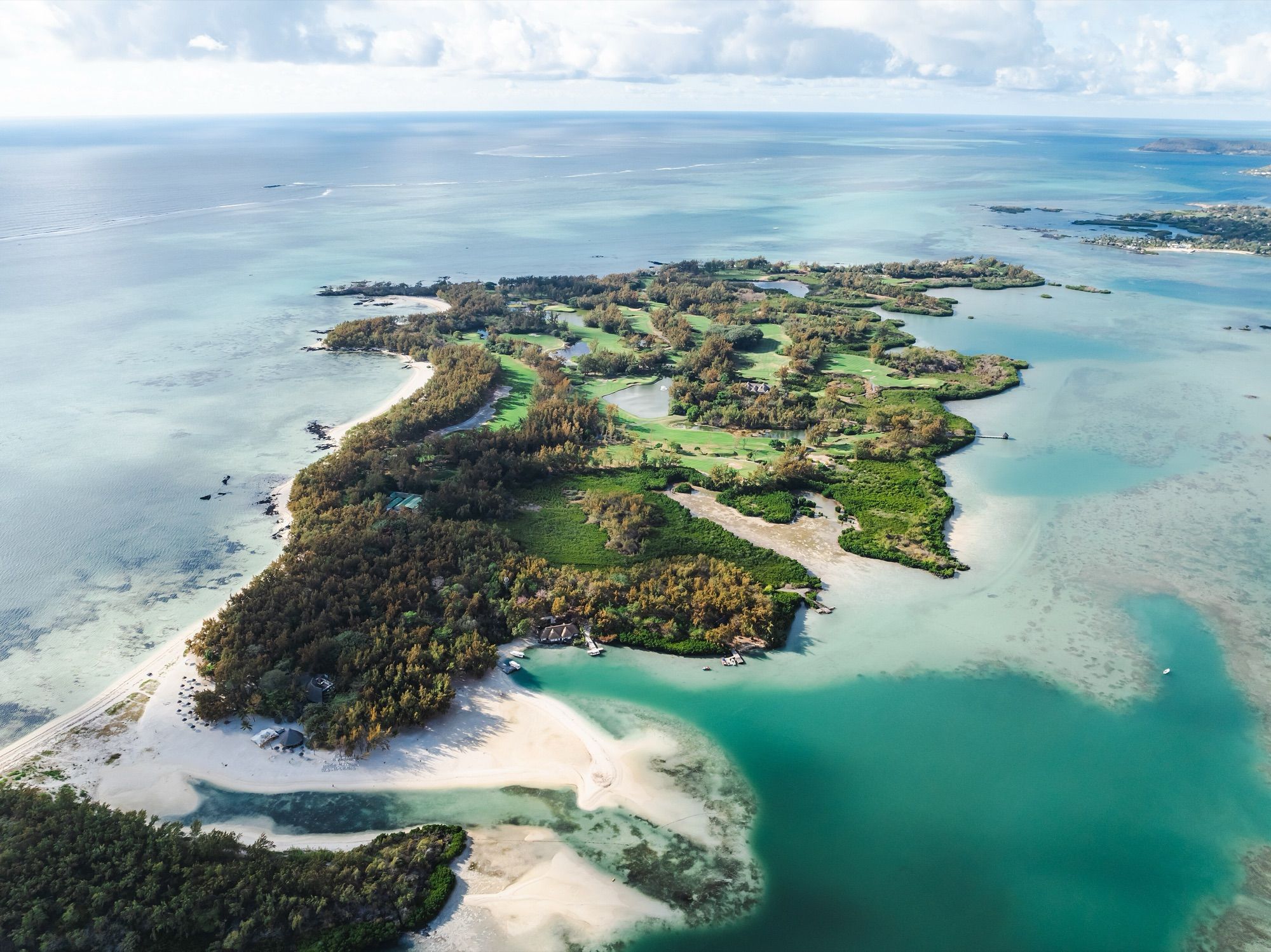
- East (Belle Mare, Trou d'Eau Douce): long white beaches and sunrise views, and the jumping-off point for Île aux Cerfs.
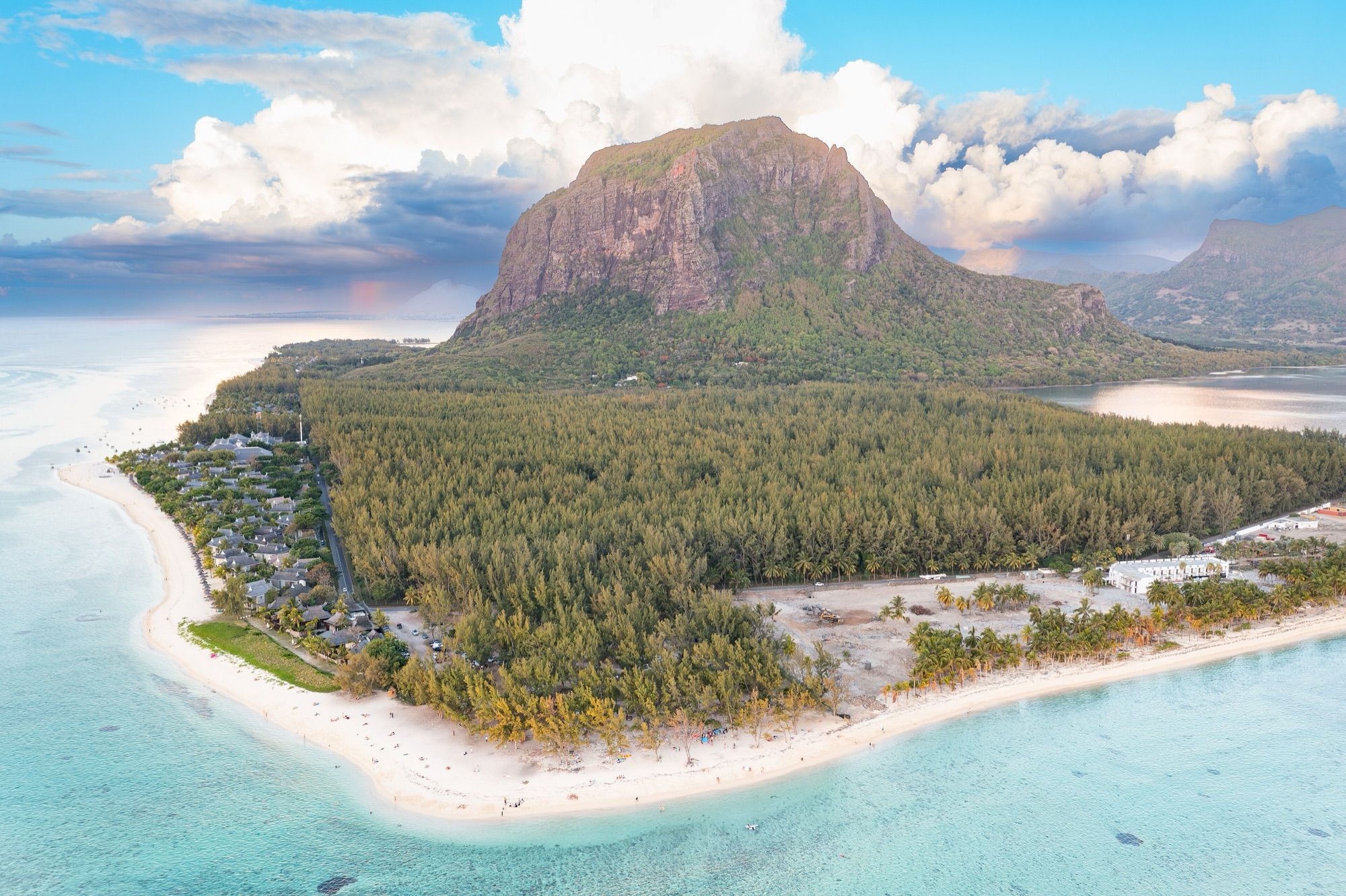
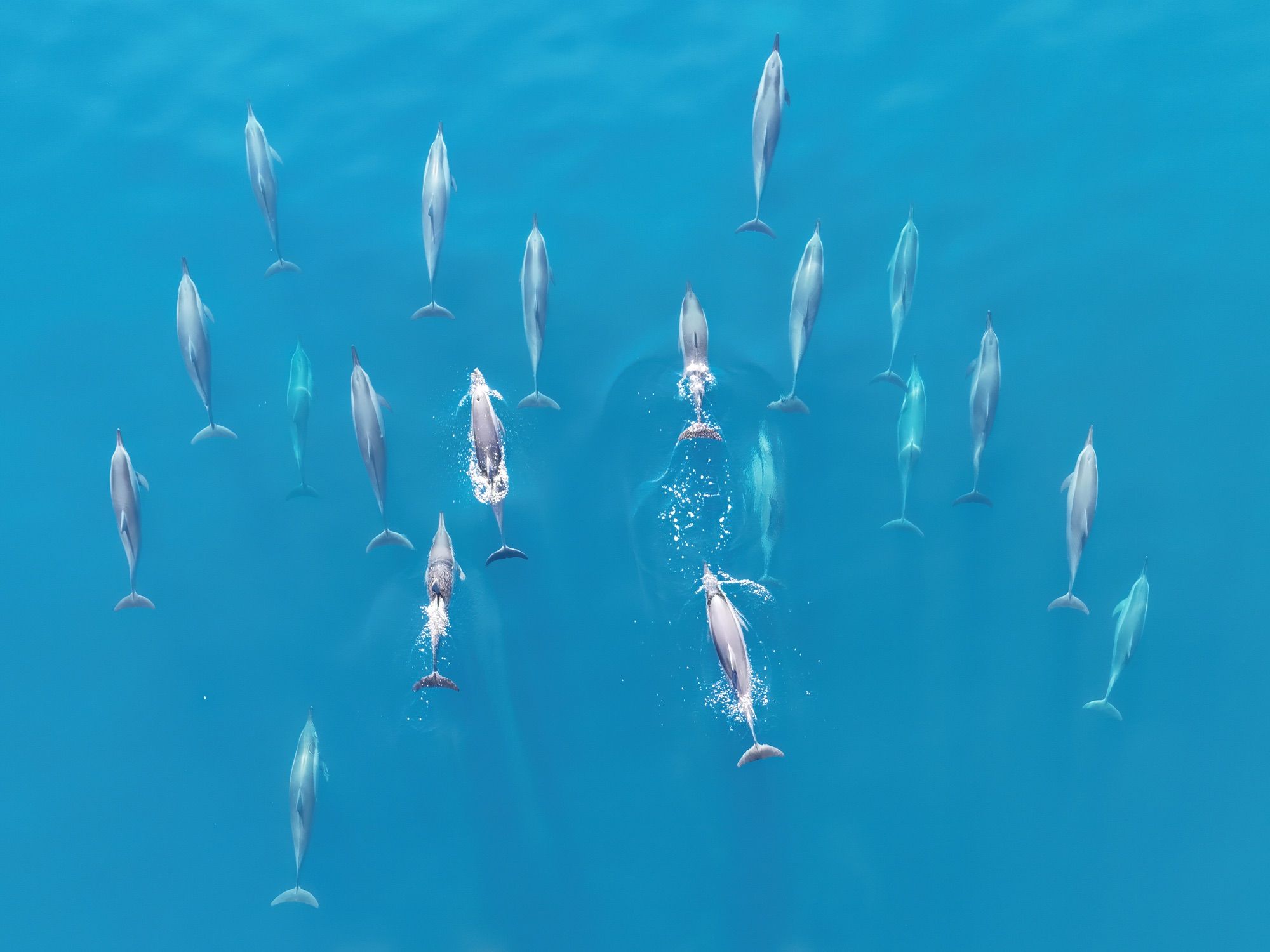
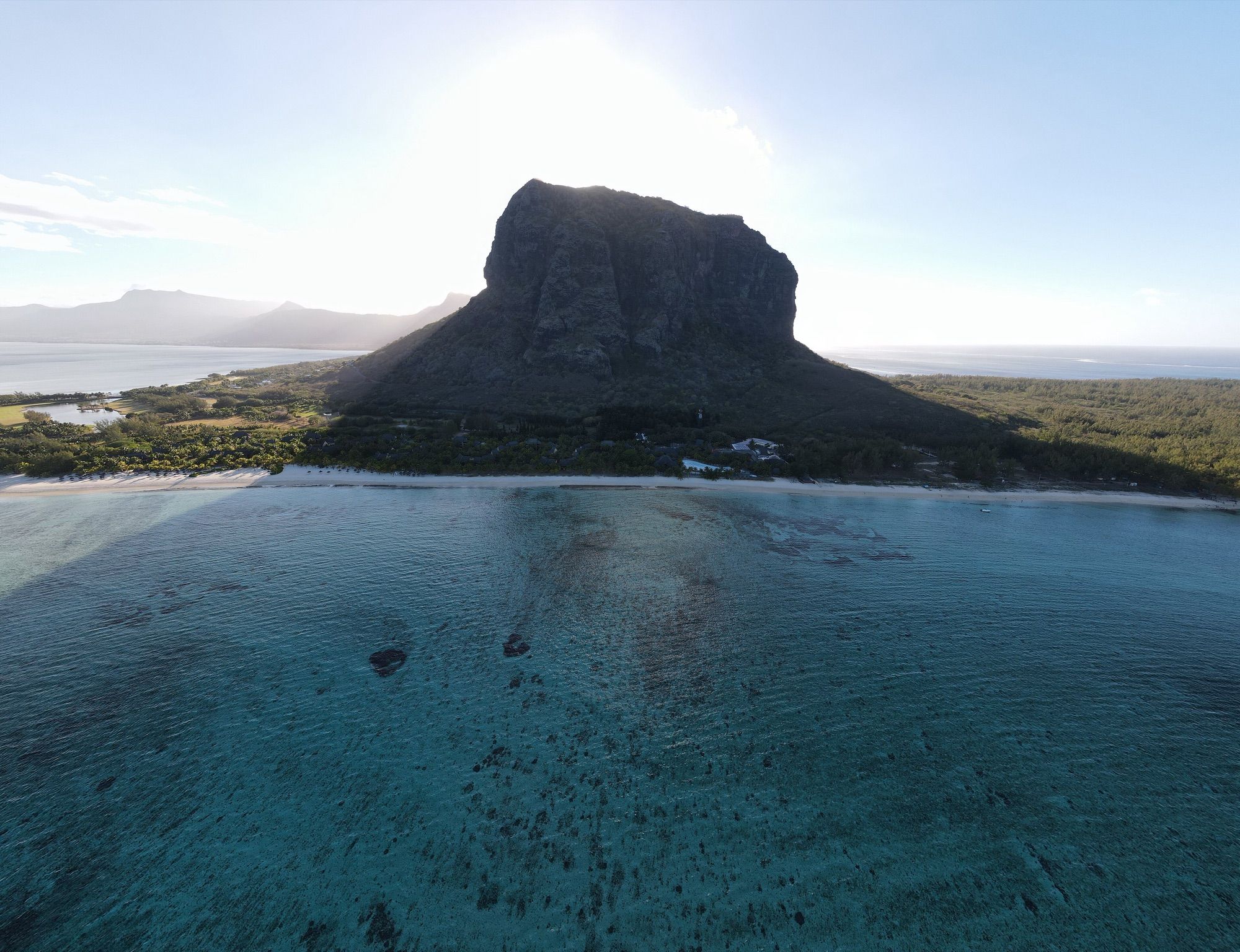
- West and south-west (Flic en Flac, Tamarin, Le Morne): calm water, sunsets, dolphins off Tamarin and the mountain of Le Morne. Close to Casela and Chamarel.
What to do
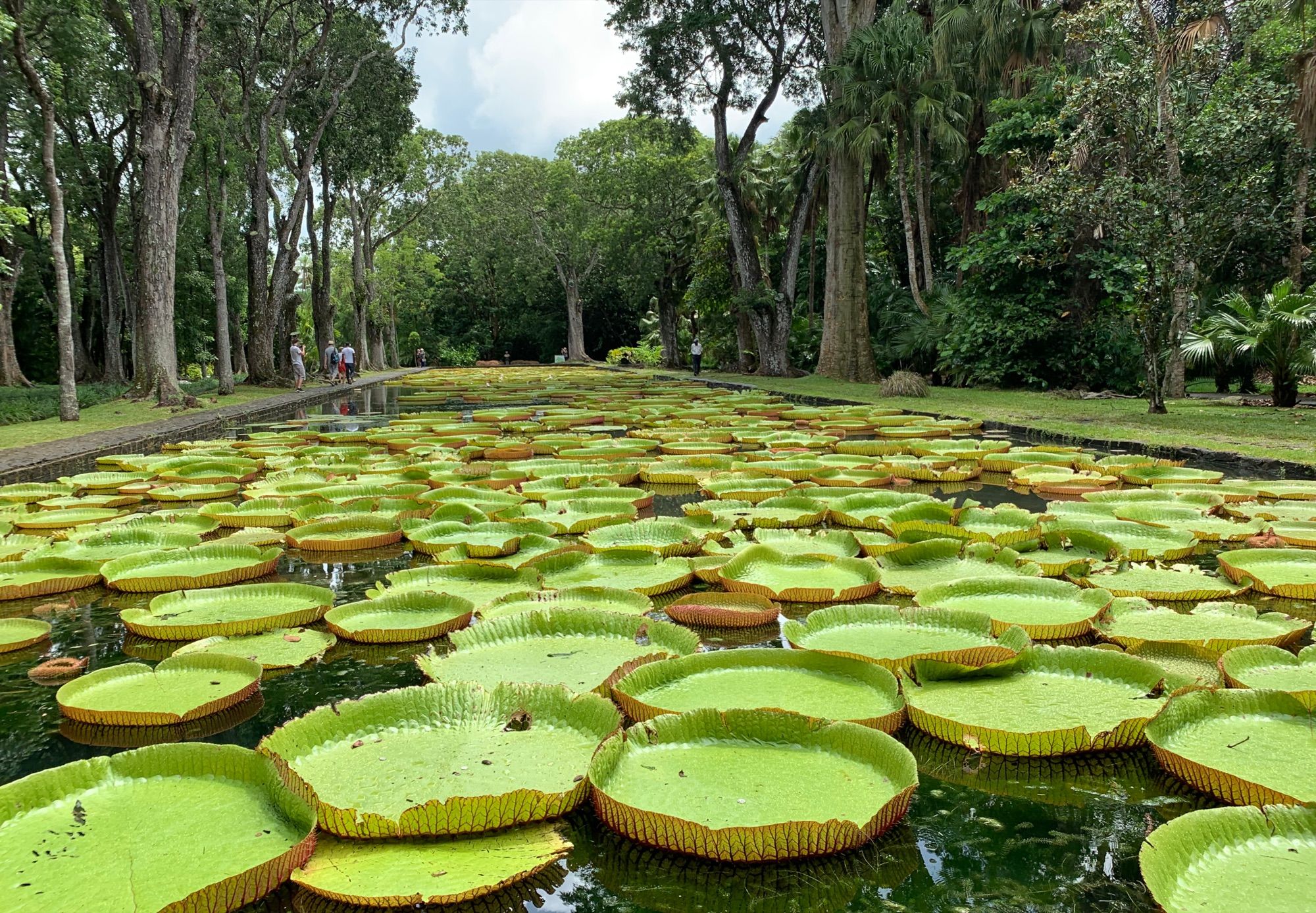
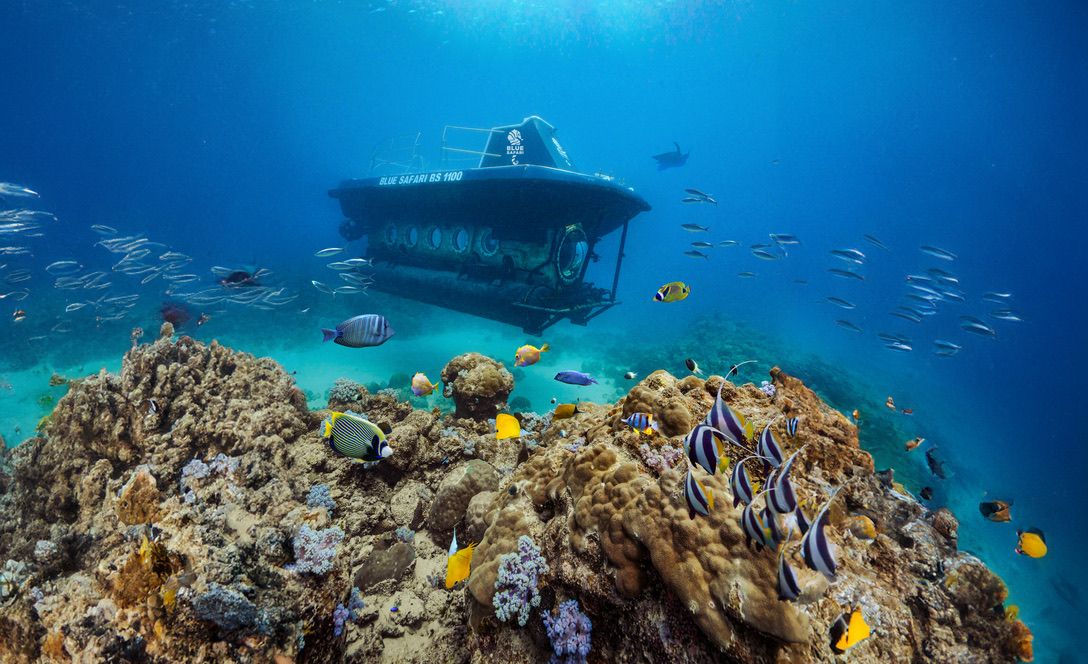
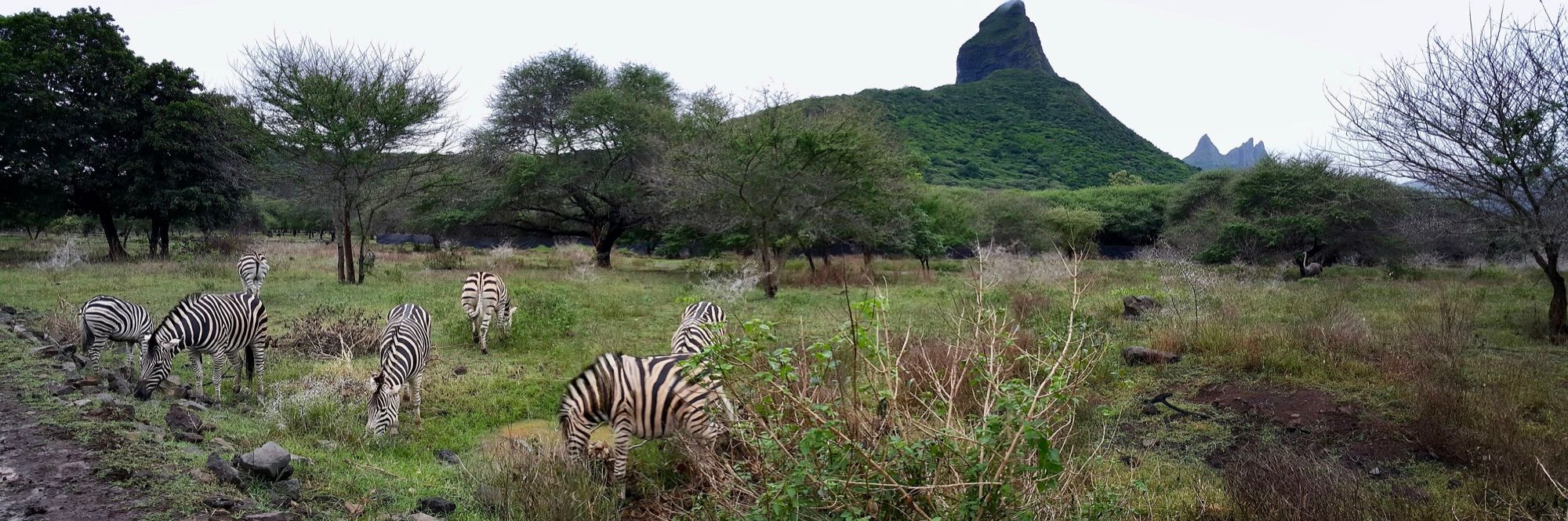
Sail by catamaran to Île aux Cerfs. Drive the south to see Grand Bassin, the Black River Gorges and Chamarel's Seven Coloured Earth. Walk the giant water lilies at the Pamplemousses botanical garden, then browse Port Louis' Central Market. Head out at dawn to see spinner dolphins off Tamarin, dive to 35 metres in a submarine, climb Le Morne Brabant for the view over the lagoon, or spend a day on safari at Casela.
Food
Try dholl puri (thin split-pea flatbreads wrapped around curry), gateaux piments (chilli fritters), rougaille (a tomato-based Creole stew) and biryani, plus grilled fish and seafood. Finish with a local rum.
Good to know
- Currency: Mauritian rupee (MUR). Cards are accepted in hotels and larger shops.
- Time: GMT+4 (3 hours ahead of the UK in summer, 4 in winter).
- Plugs: 230 V; both UK-style three-pin and European two-pin sockets are used, so bring an adaptor.
- Language: English is official, but French and Mauritian Creole are what you'll hear most.
- Driving: on the left.
- Entry: check the latest entry requirements and online arrival forms before you travel.
Tell us your dates and airport and we'll put together your Mauritius trip.