Croatia
Dalmatia's walled towns and islands: Dubrovnik's walls, Split's Roman palace, Hvar and Brač, about two and a half hours from the UK.
Croatia's Dalmatian coast runs for hundreds of kilometres down the Adriatic, from Šibenik past Split and the Makarska Riviera to Dubrovnik, with more than a thousand islands offshore. You get walled towns built from pale limestone, clear water over pebble coves, and ferries and catamarans that make island-hopping part of the holiday. Flights from the UK take around two and a half hours.
Why go
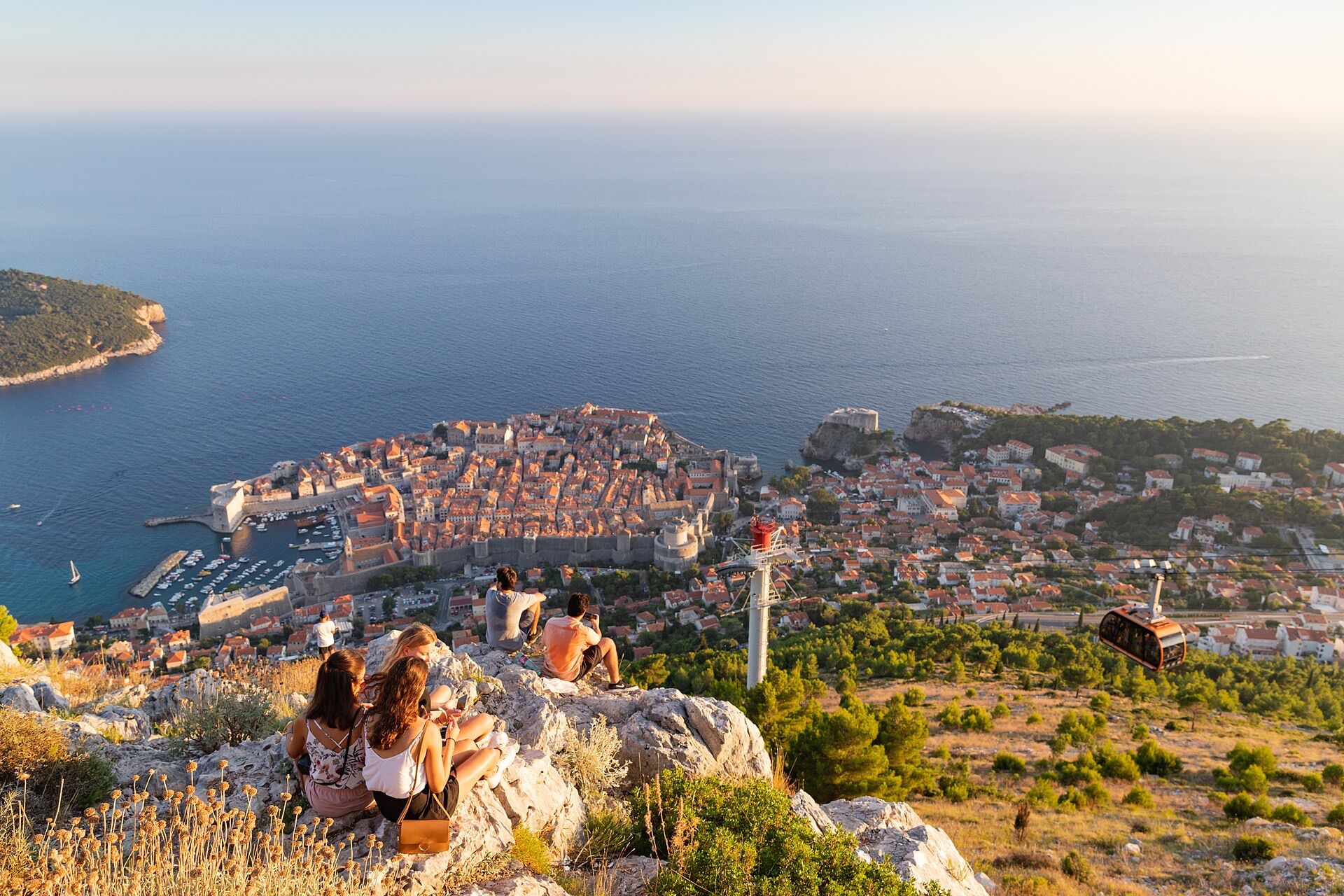
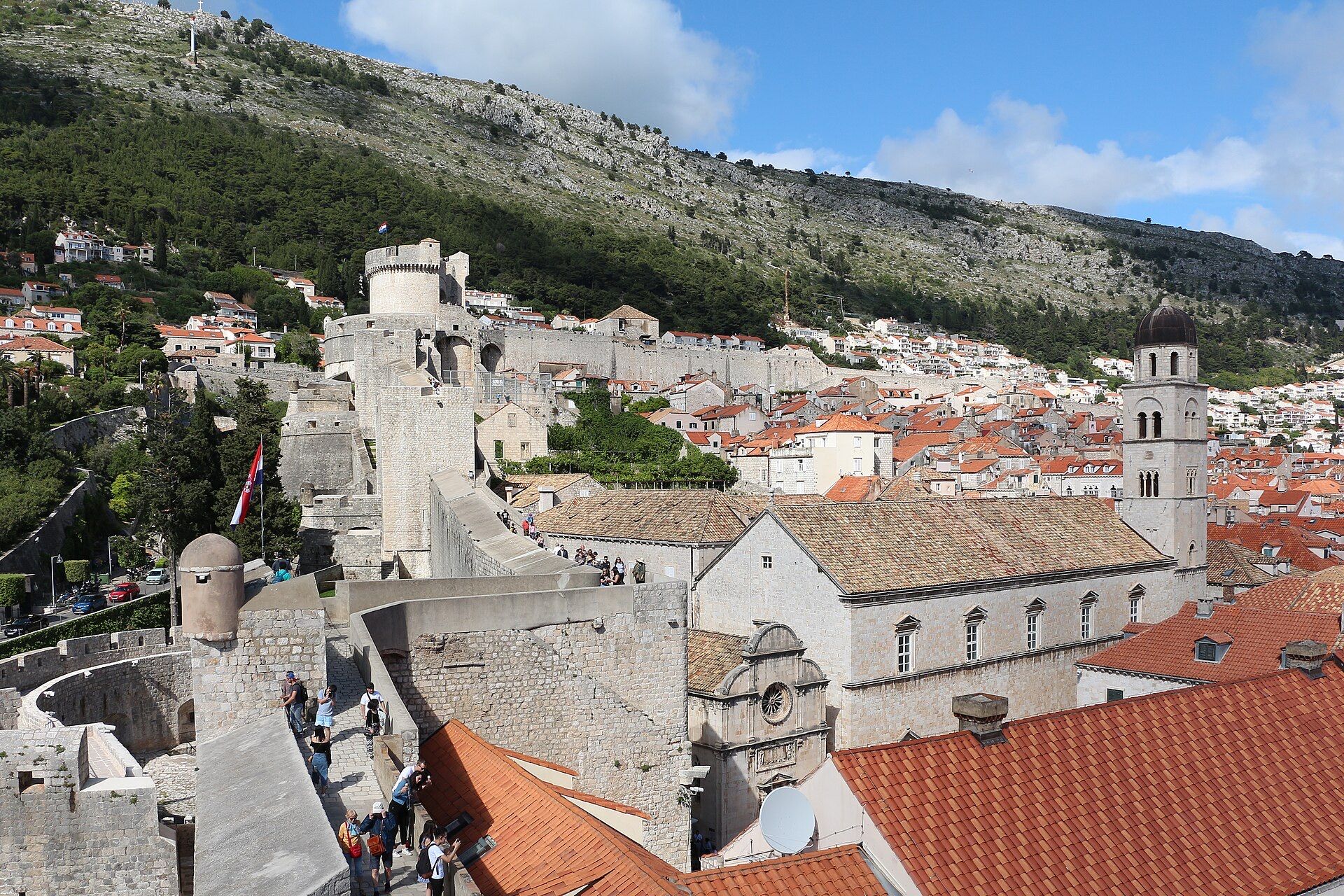
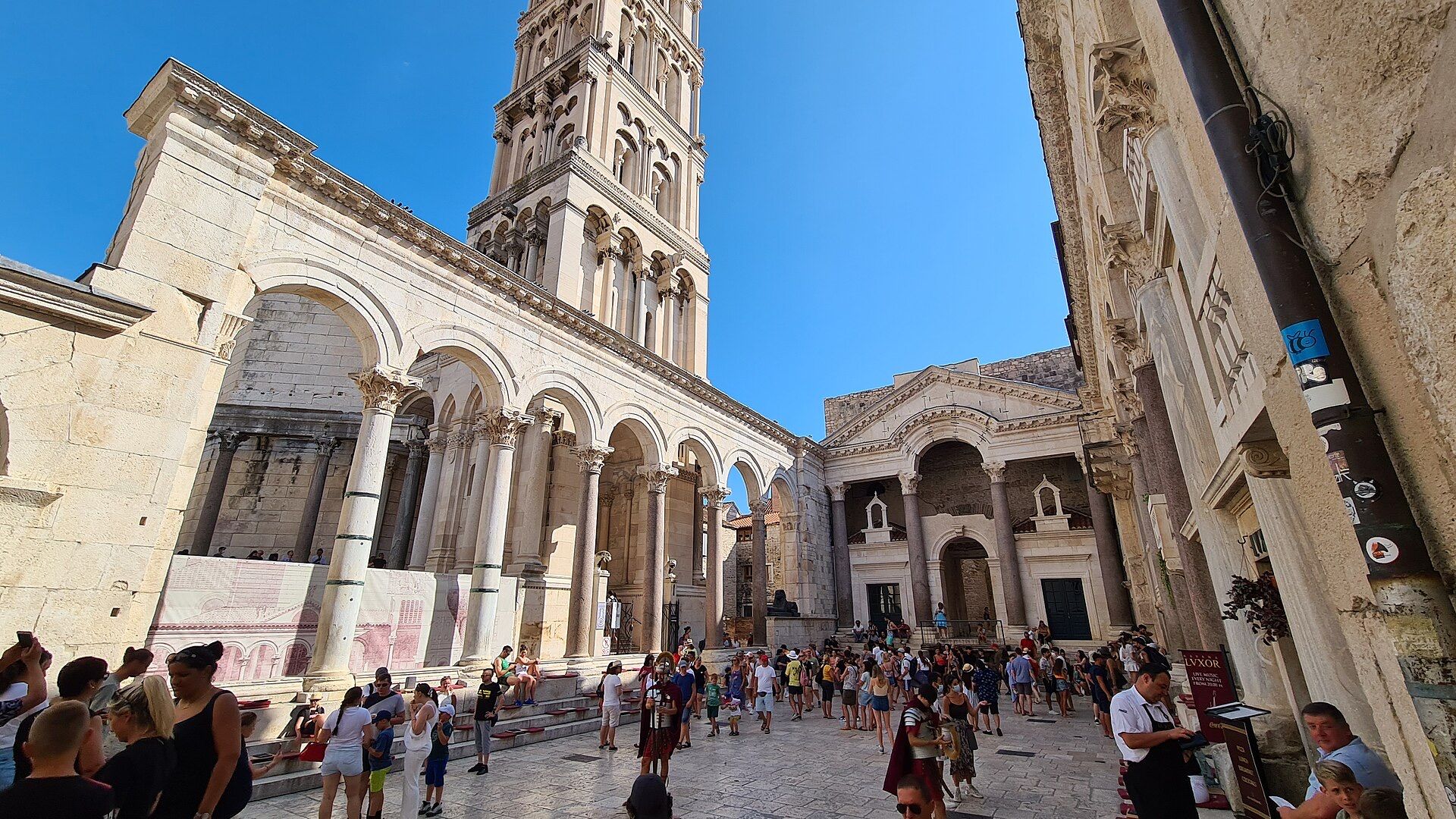
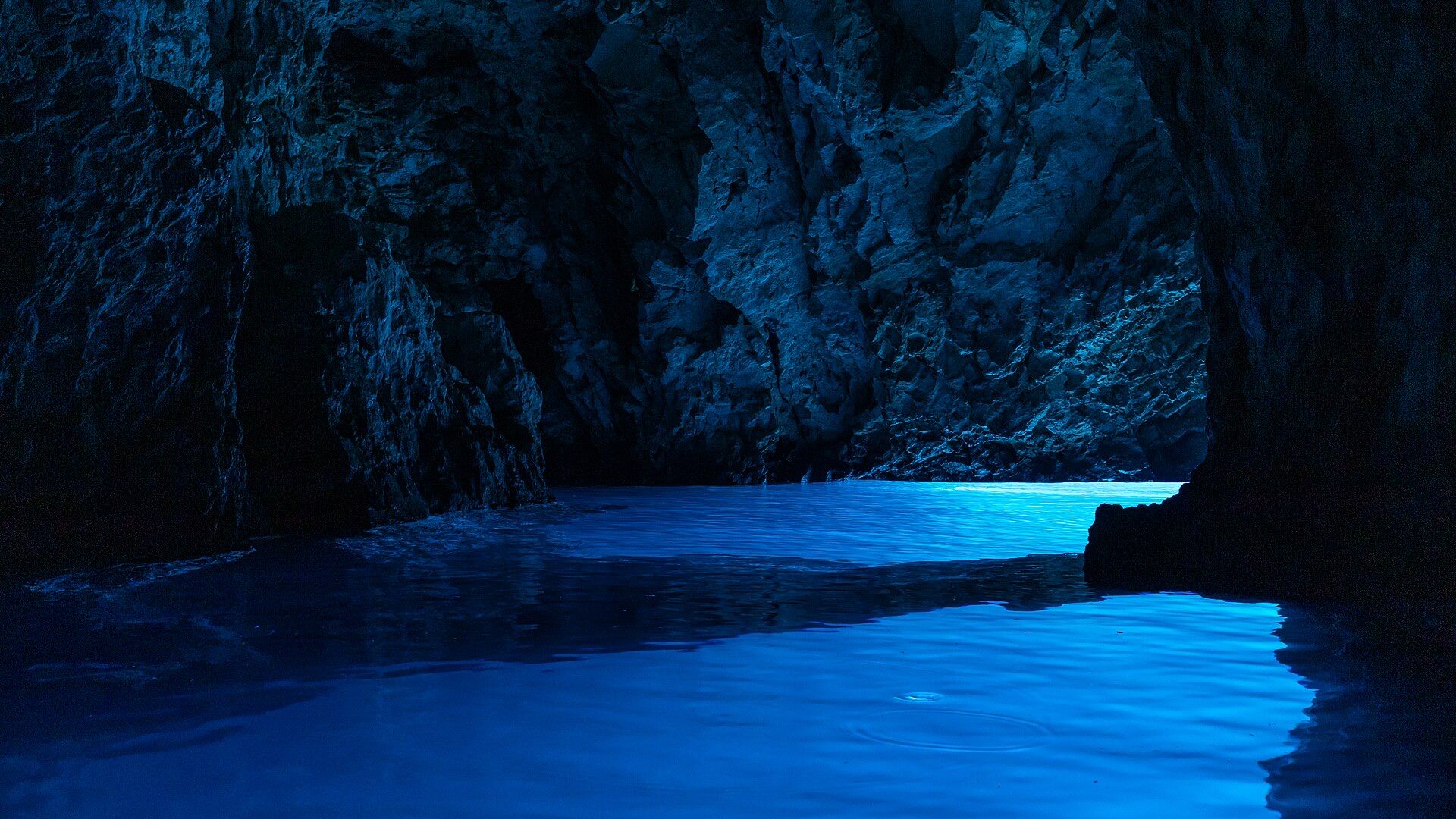
Walk the city walls of Dubrovnik, a UNESCO World Heritage Site, and look down on terracotta roofs and the sea on both sides. In Split, people still live and eat inside Diocletian's Palace, a Roman emperor's retirement home from around AD 300. Spend a day among the car-free Elaphiti Islands, see the Blue Cave glow on Biševo, or stroll the harbour in Hvar town in the evening. Dalmatia suits couples, families and anyone who likes to mix beach days with history.
When to go
The season runs from May to October. June and September are the sweet spot: warm days, a sea that has had time to heat up, and fewer people in the old towns. July and August are hot and busy, especially in Dubrovnik and Hvar, so book early. May and October are good for sightseeing and walking, though the sea is cooler and some island services run less often.
Getting there from the UK
Dubrovnik and Split airports both have direct seasonal flights from across the UK, including London (Gatwick, Heathrow, Stansted, Luton), Manchester, Birmingham, Bristol, Edinburgh, Glasgow, Leeds Bradford, East Midlands and Newcastle, with airlines such as British Airways, easyJet, Jet2 and TUI. Split is best for the central coast and the islands of Brač and Hvar; Dubrovnik for the south. Tell us your nearest airport and we'll find the best route and arrange your transfers and crossings.
Where to stay
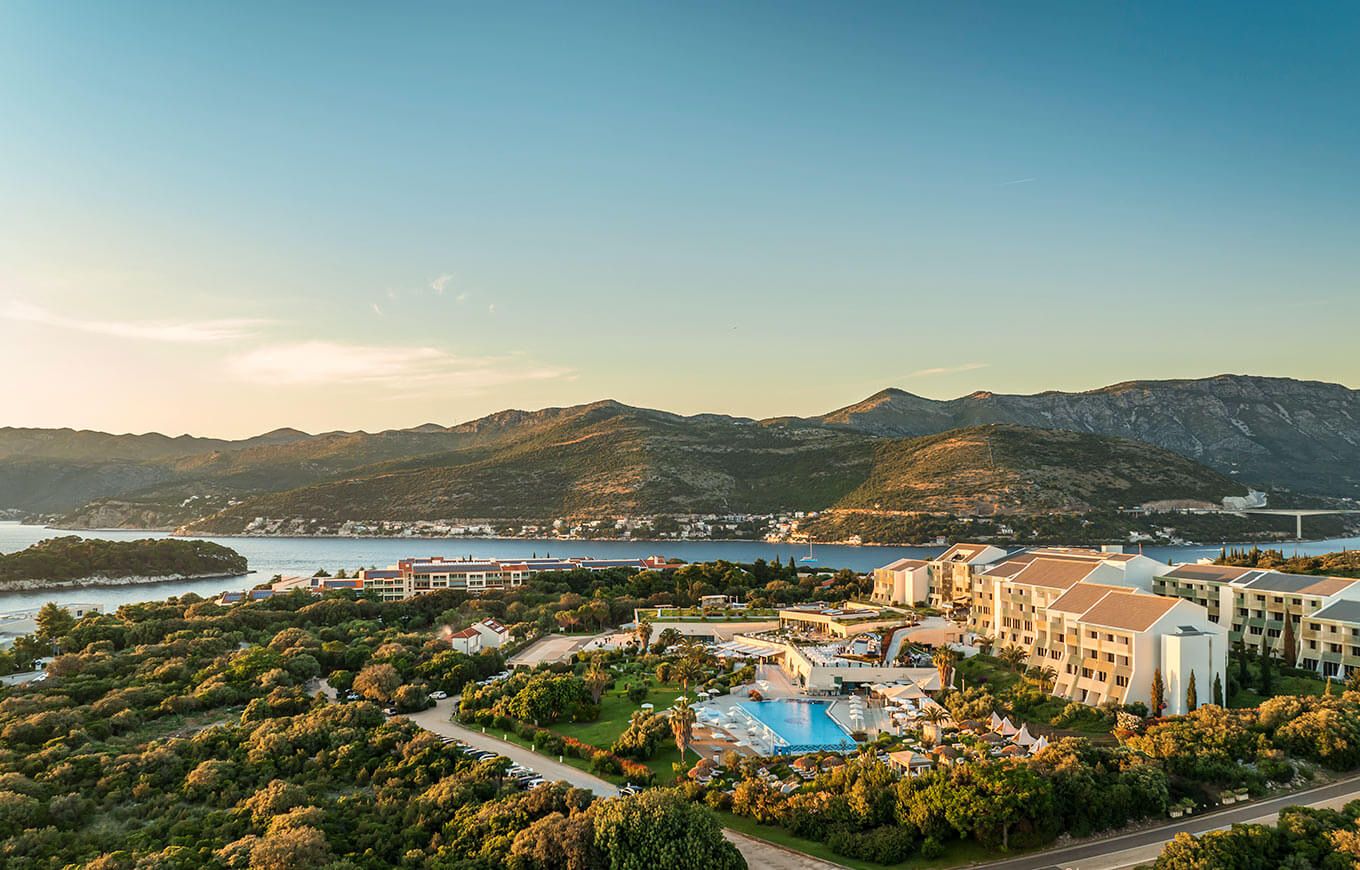
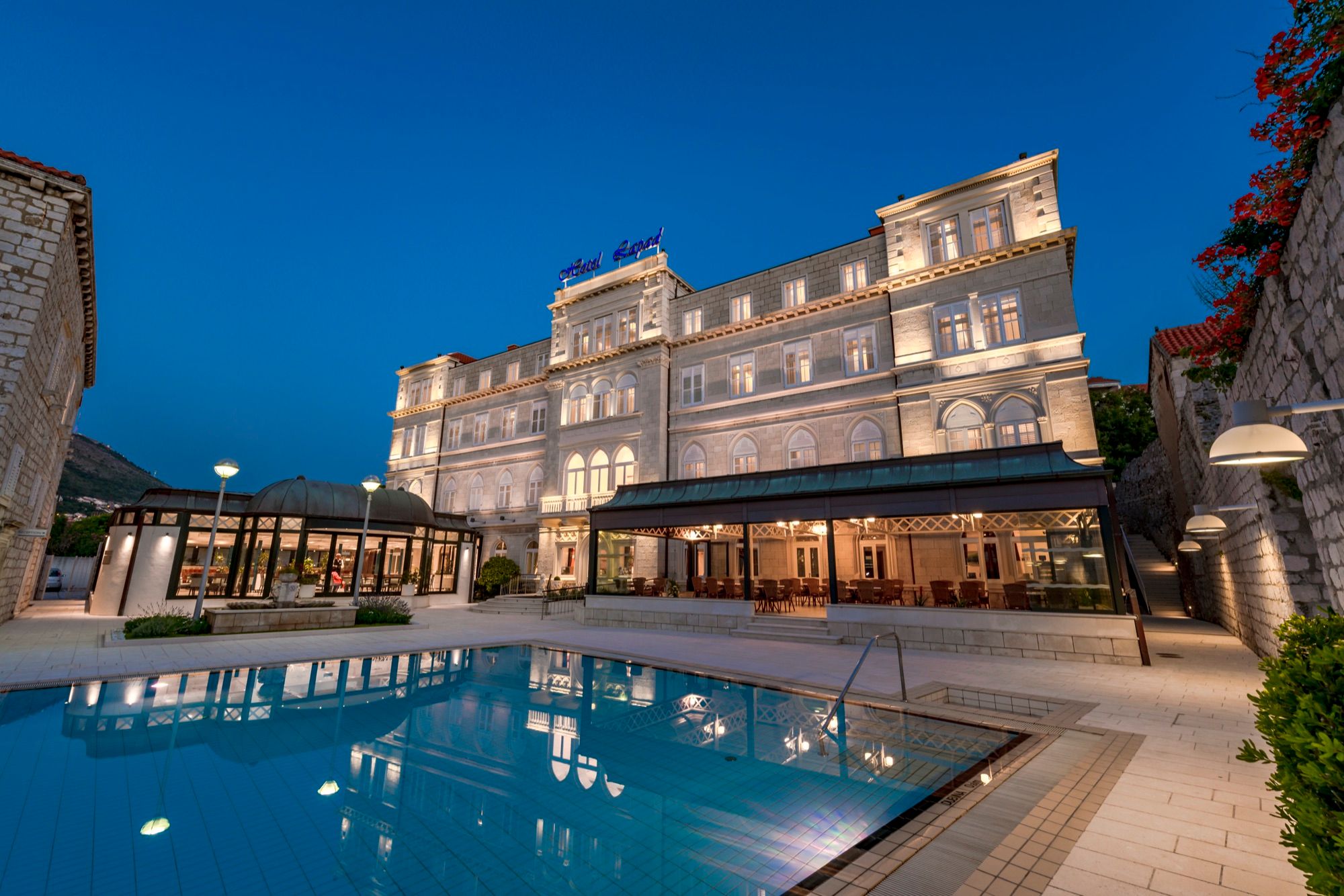
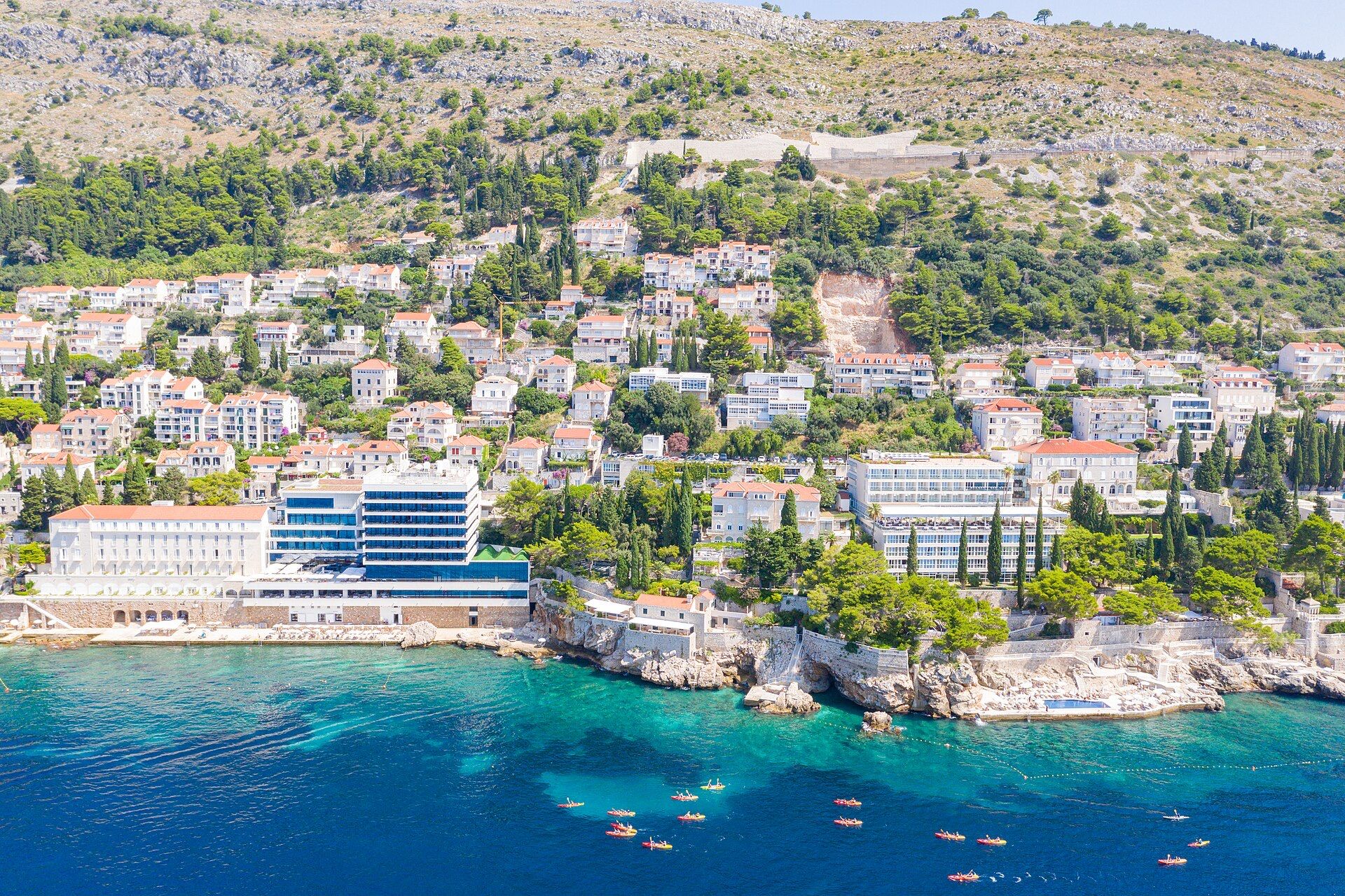
- Dubrovnik: the Old Town for atmosphere, or the Lapad and Babin Kuk peninsulas for pools, beaches and a quick bus ride into town.
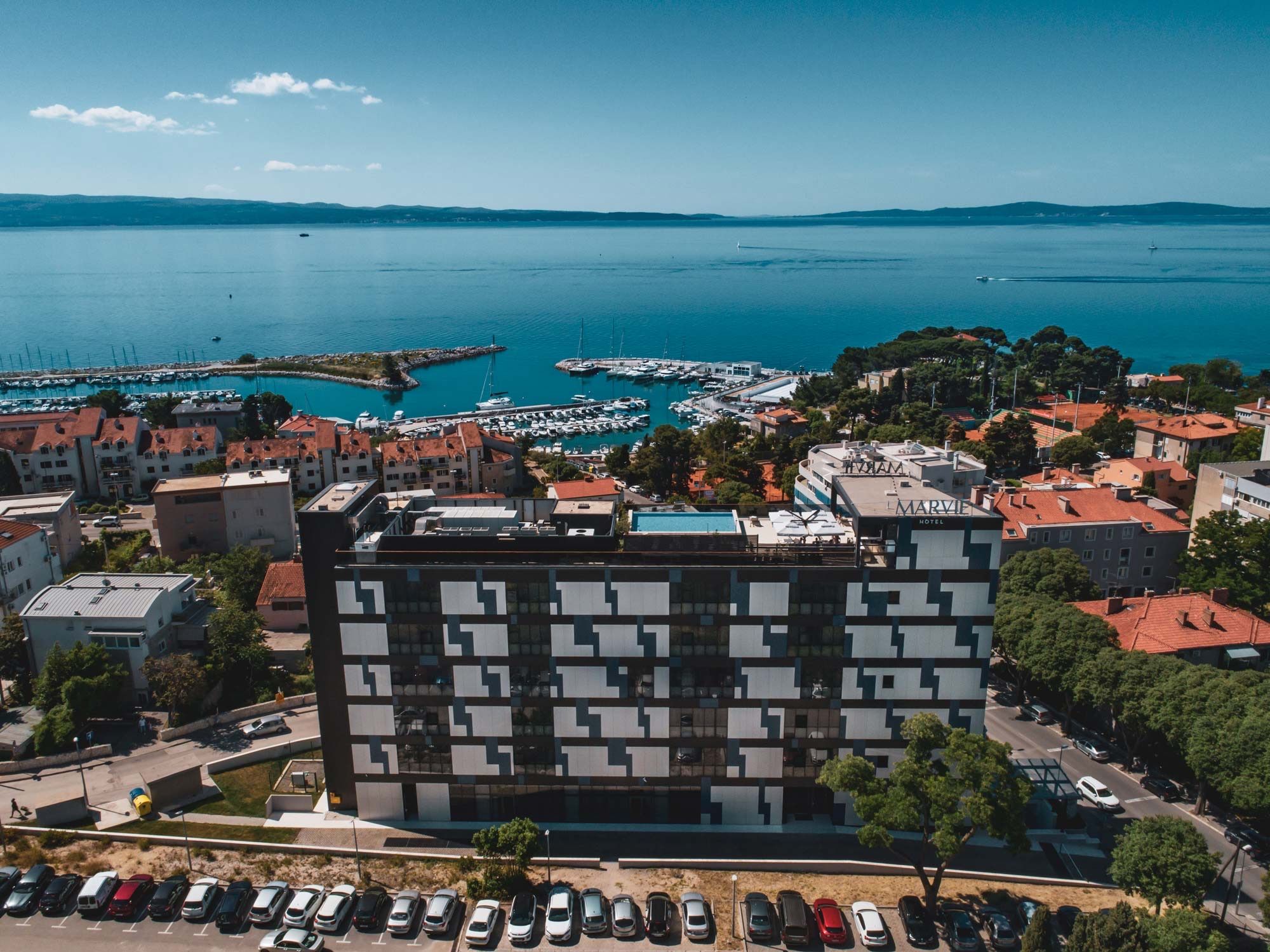
- Split: a lively city base, with Roman streets, the Riva promenade and ferries to the islands.
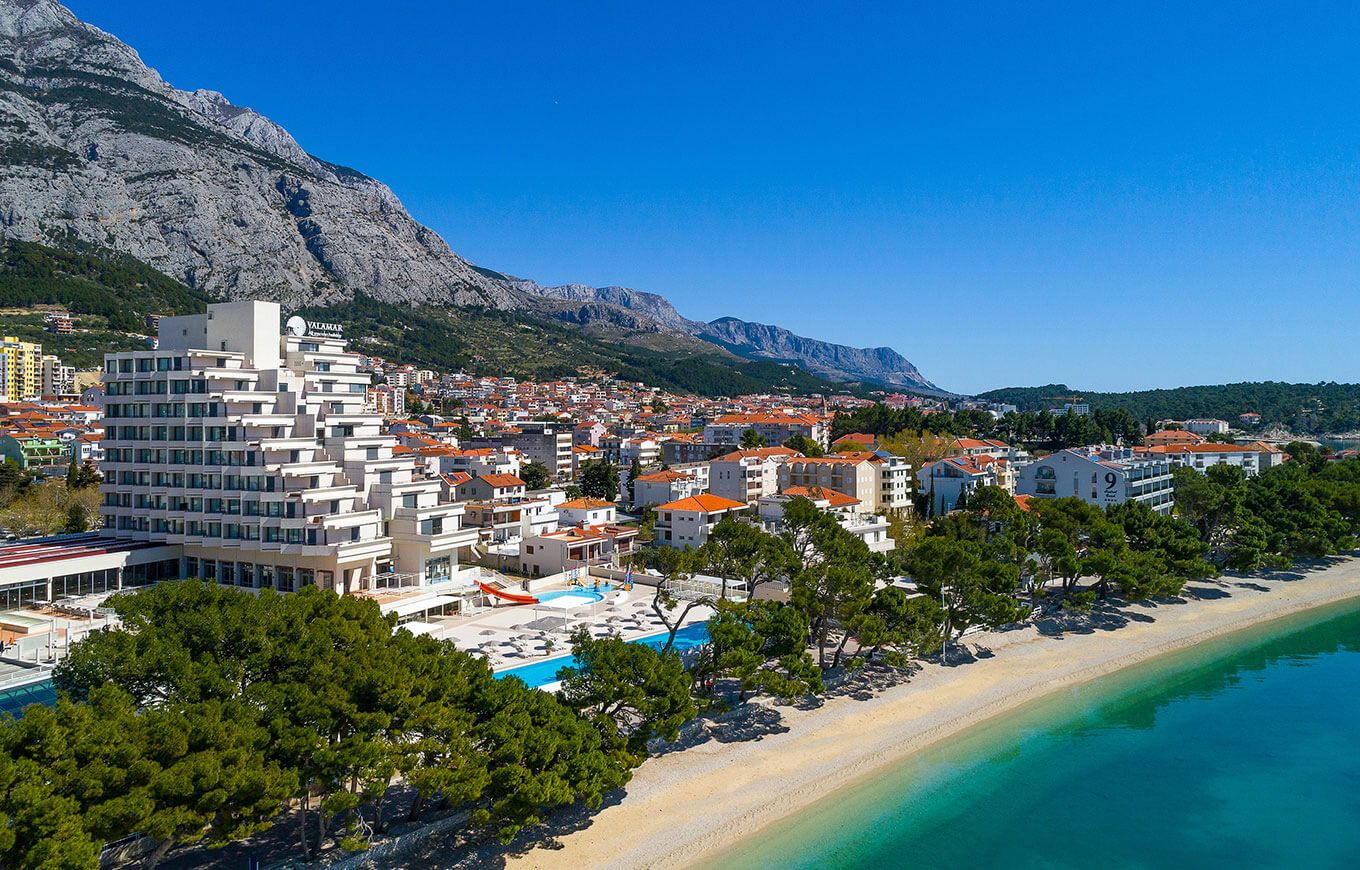
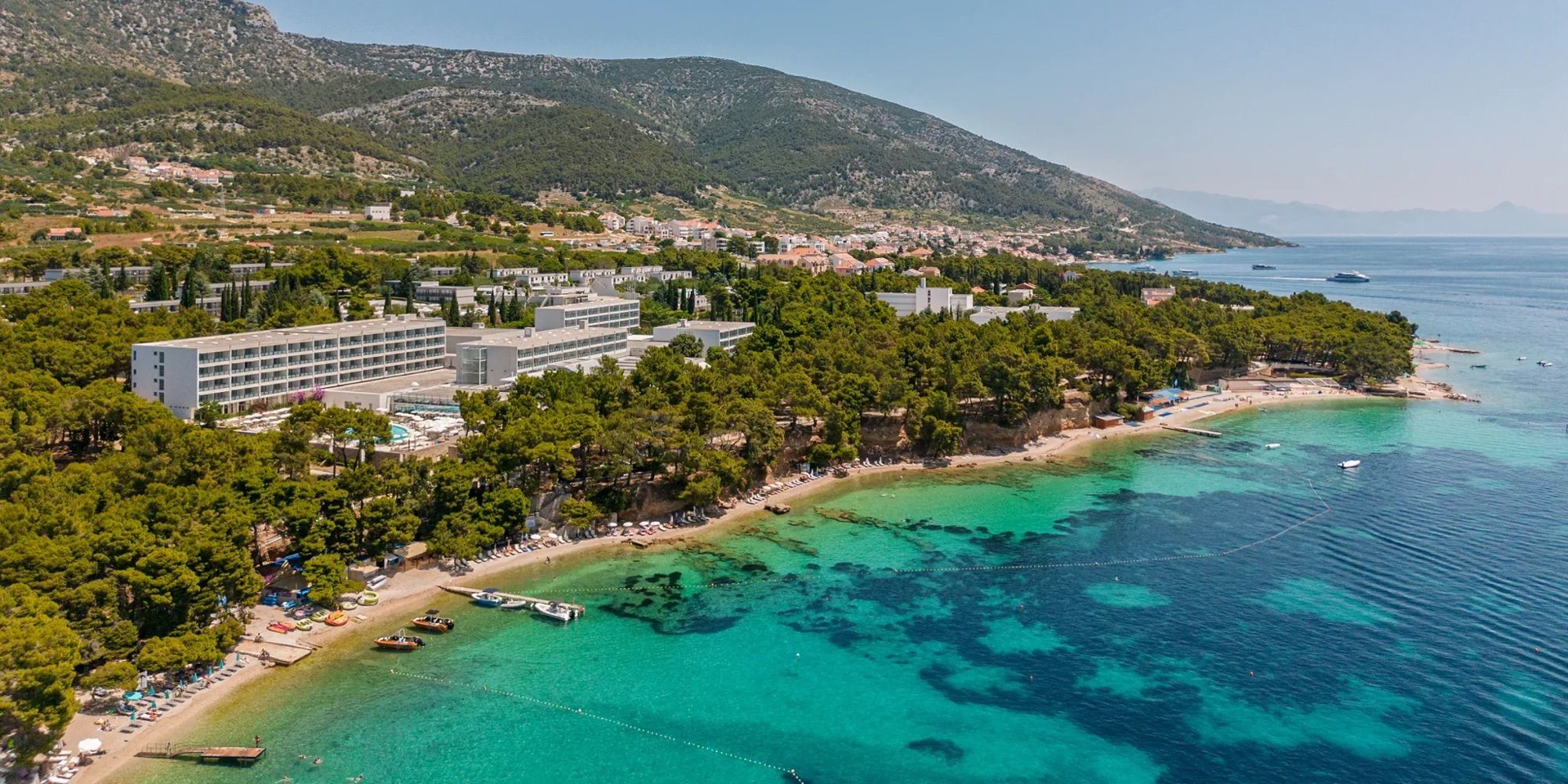
- Makarska Riviera: long pebble beaches under the Biokovo mountains, good for families.
- Brač: Bol and its famous Zlatni Rat beach, a relaxed island stay.
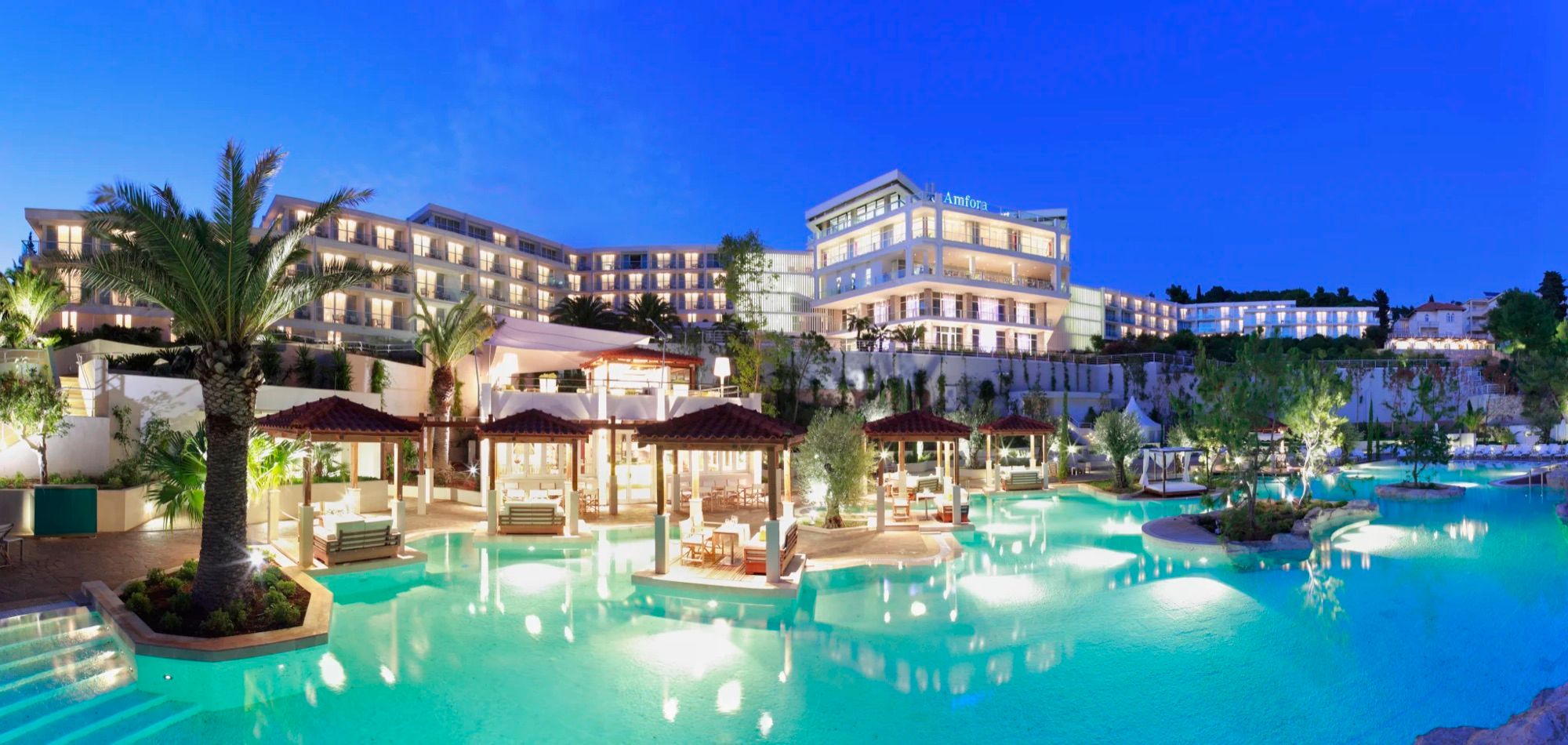
- Hvar: a pretty harbour town, the Pakleni Islands offshore and lively summer evenings.
What to do
- Walk Dubrovnik's city walls with a local guide
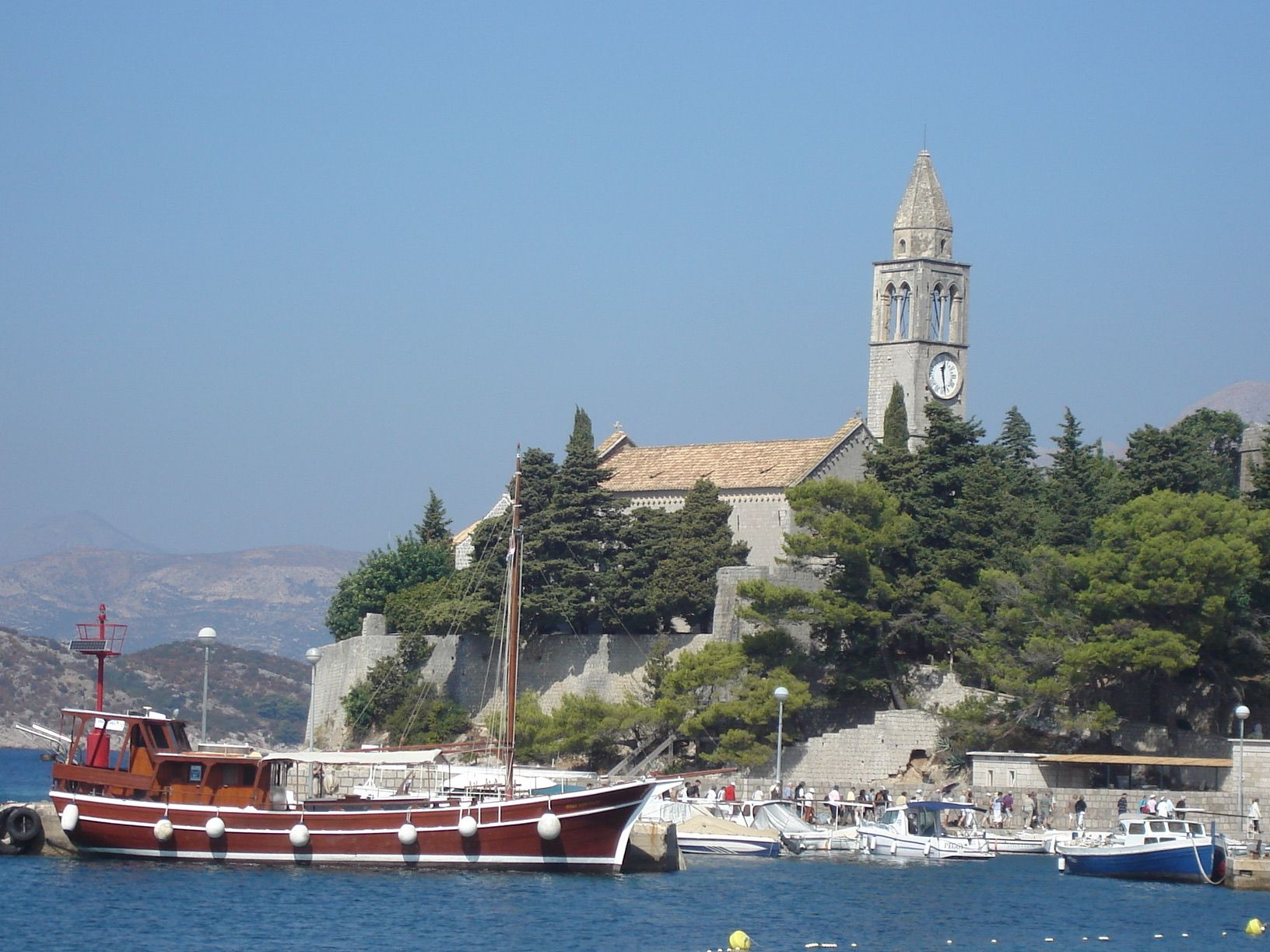
- Cruise the Elaphiti Islands: Koločep, Šipan and Lopud
- Kayak under the walls and snorkel at Betina cave
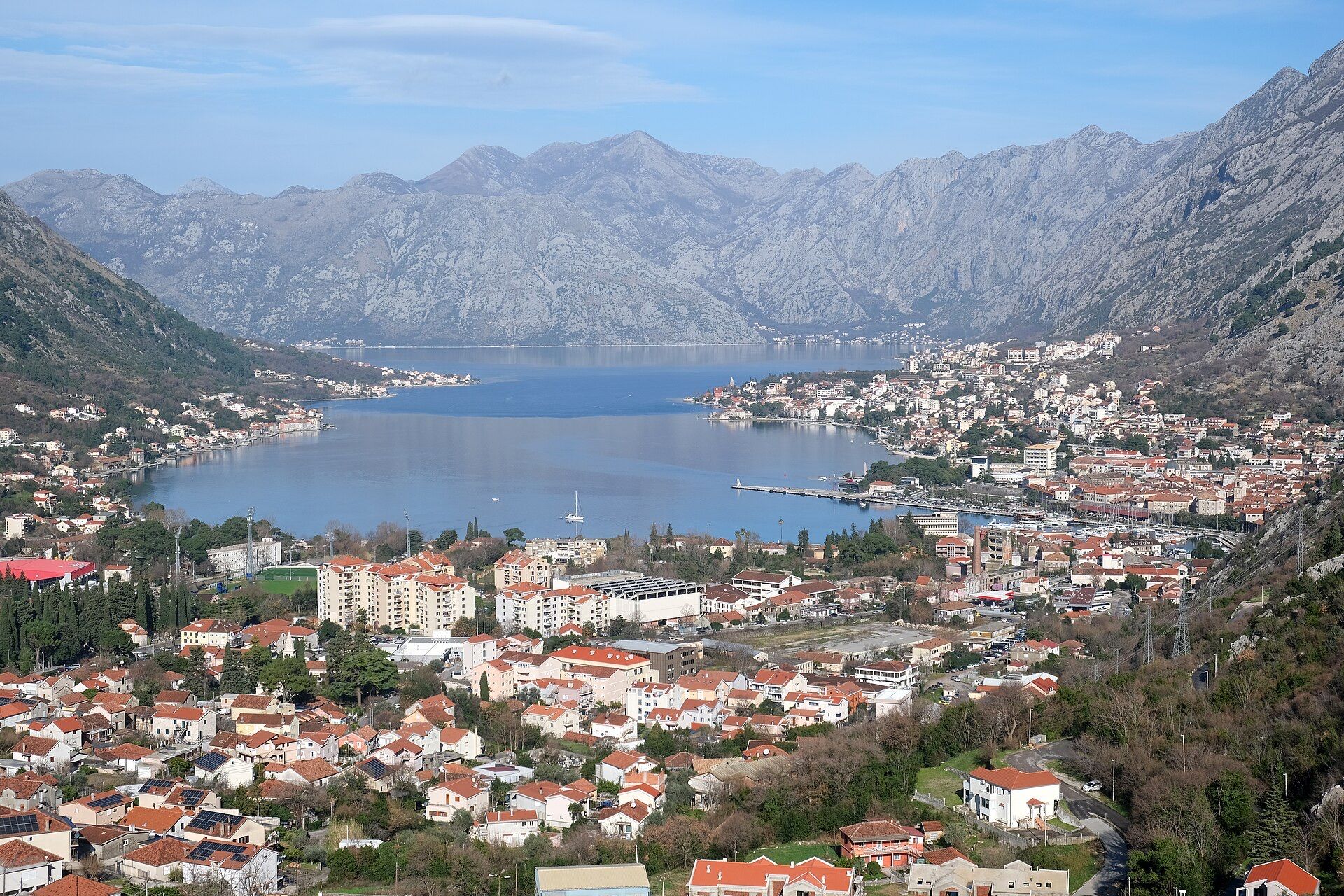
- Take a day trip to Kotor and Perast in Montenegro
- Explore Diocletian's Palace in Split
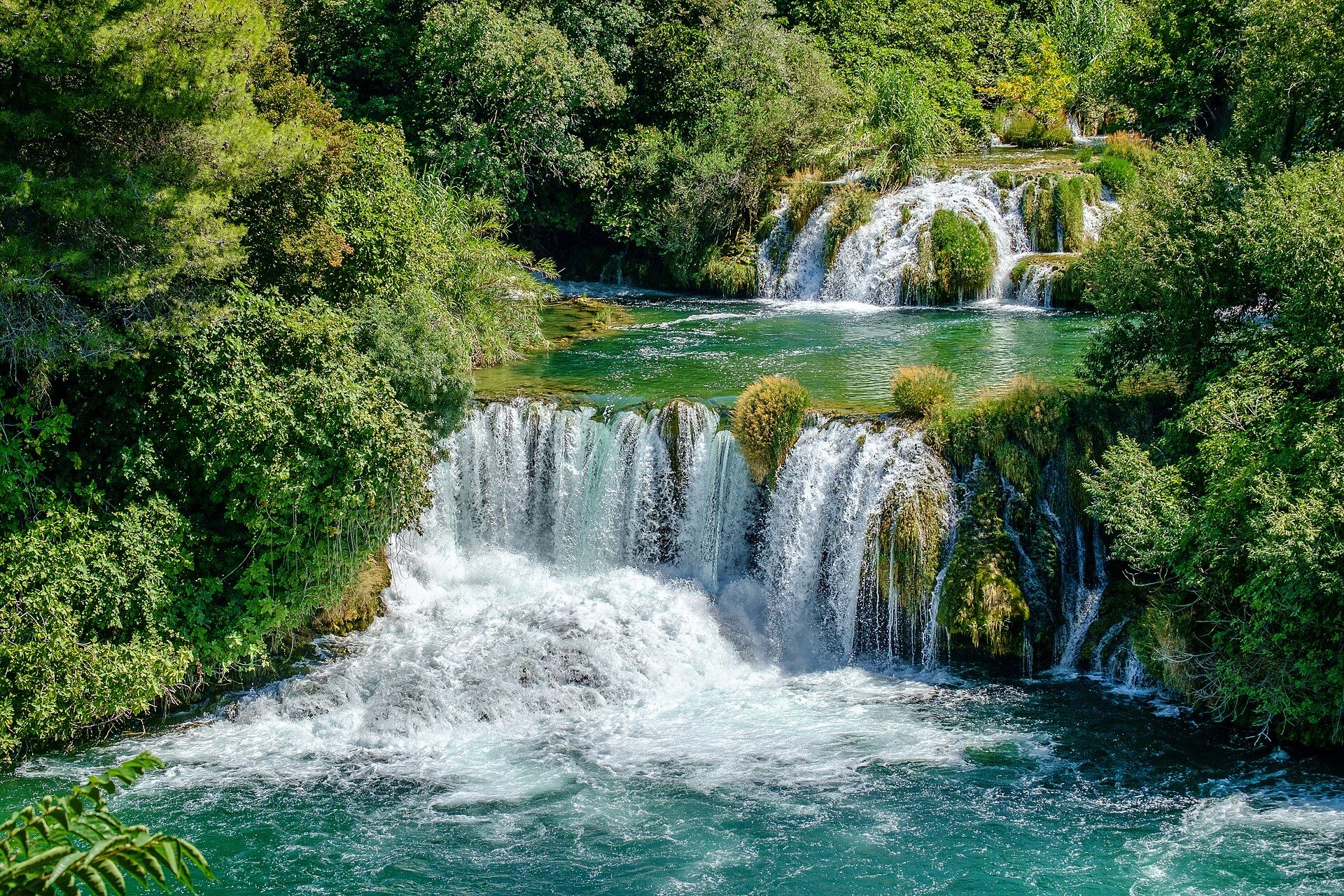
- See the waterfalls of Krka National Park
- Speedboat to the Blue Cave, Stiniva and Hvar
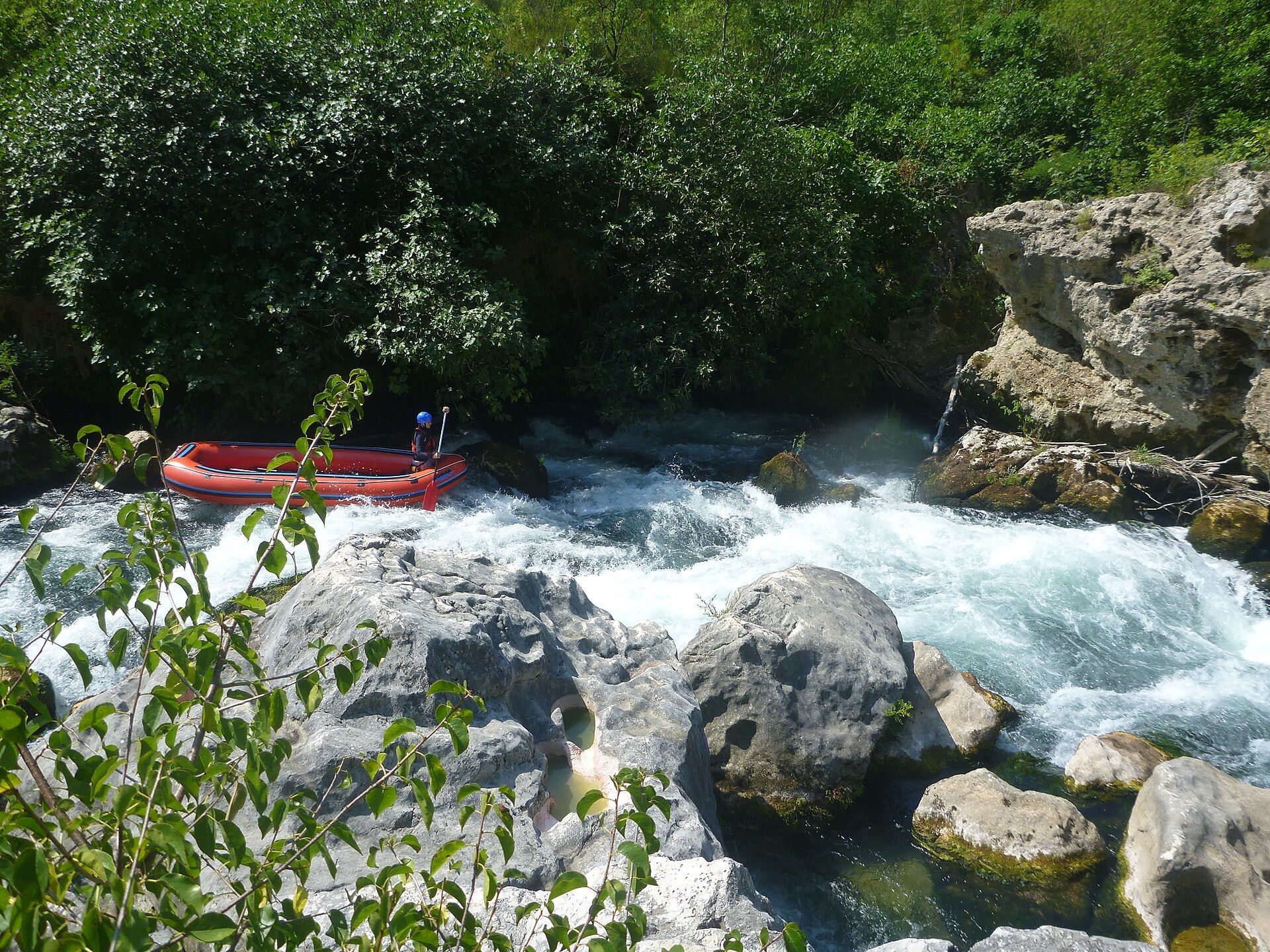
- Raft the Cetina river near Omiš
Food
Dalmatian cooking is simple and built on the sea and olive oil. Try black risotto (crni rižot) made with cuttlefish ink, grilled fish with blitva (chard and potatoes), pašticada (slow-cooked beef in a sweet wine sauce), and meat or octopus cooked under a peka bell. Oysters from Ston, pršut ham and Pag cheese make good starters, and fritule (small doughnuts) are a favourite sweet. Local wines include Plavac Mali reds from the Pelješac peninsula and Pošip whites from Korčula.
Good to know
- Currency: euro (EUR) since 2023
- Time: one hour ahead of the UK
- Plugs: type C and F, 230 V. Bring a European adaptor
- Language: Croatian. English is widely spoken on the coast
- Croatia is in the Schengen Area. Entry rules for UK passport holders are changing (the Entry/Exit System, and ETIAS to follow). Check the latest GOV.UK advice before you travel
- For the Montenegro day trip you need your passport
Tell us your dates and airport, and a SkyRay advisor will put your Croatia holiday together.