Canary Islands
Winter sun four hours from the UK: Tenerife's Teide, Gran Canaria's dunes, Lanzarote's volcanoes and Fuerteventura's long white beaches.
The Canary Islands sit in the Atlantic off the coast of north-west Africa, yet they are Spain, they use the euro and they keep UK time. That combination, plus warm weather in January, is why so many British holidaymakers come back year after year. We focus on the four islands with the most direct flights: Tenerife, Gran Canaria, Lanzarote and Fuerteventura.
Why go
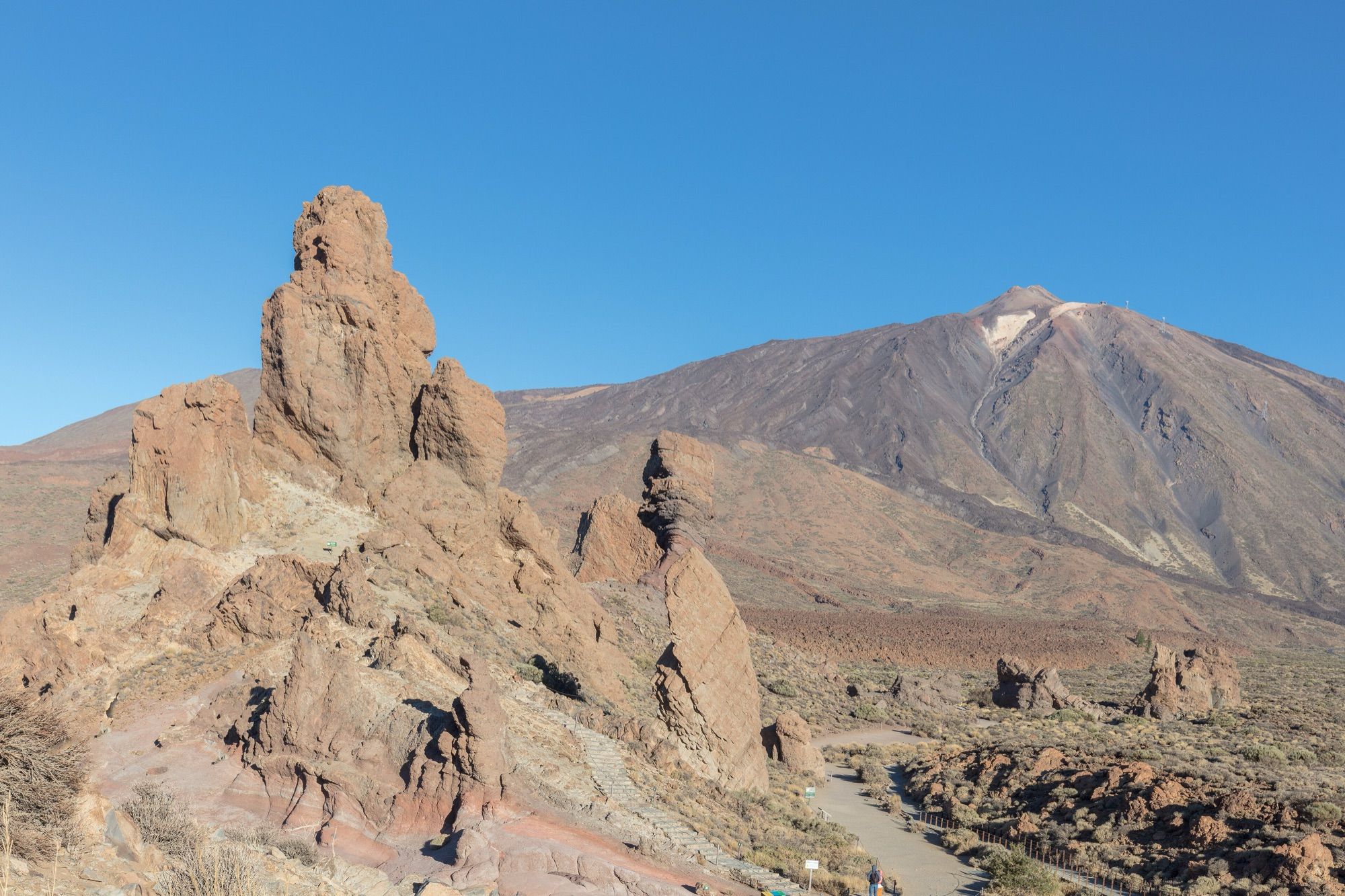
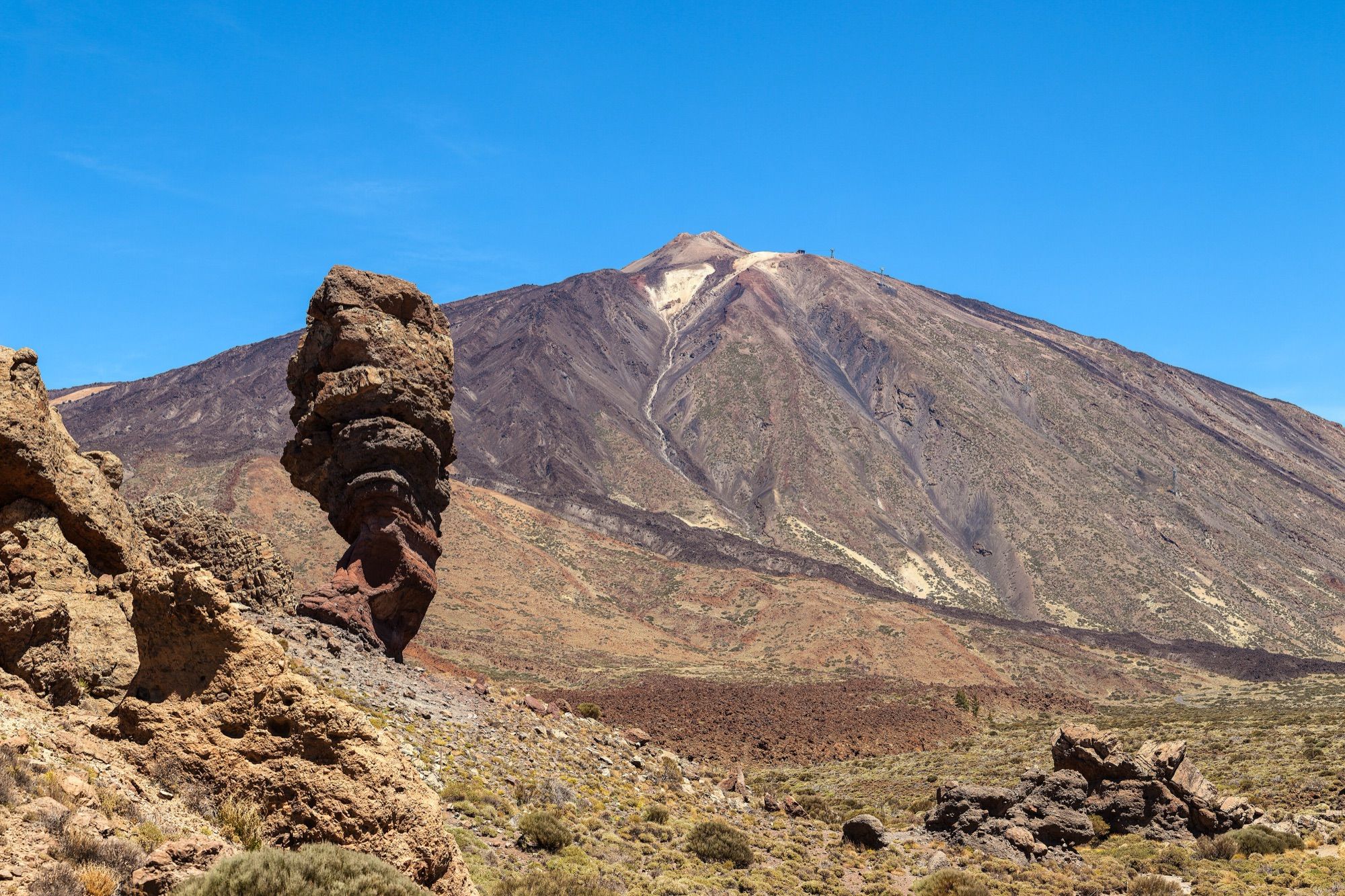
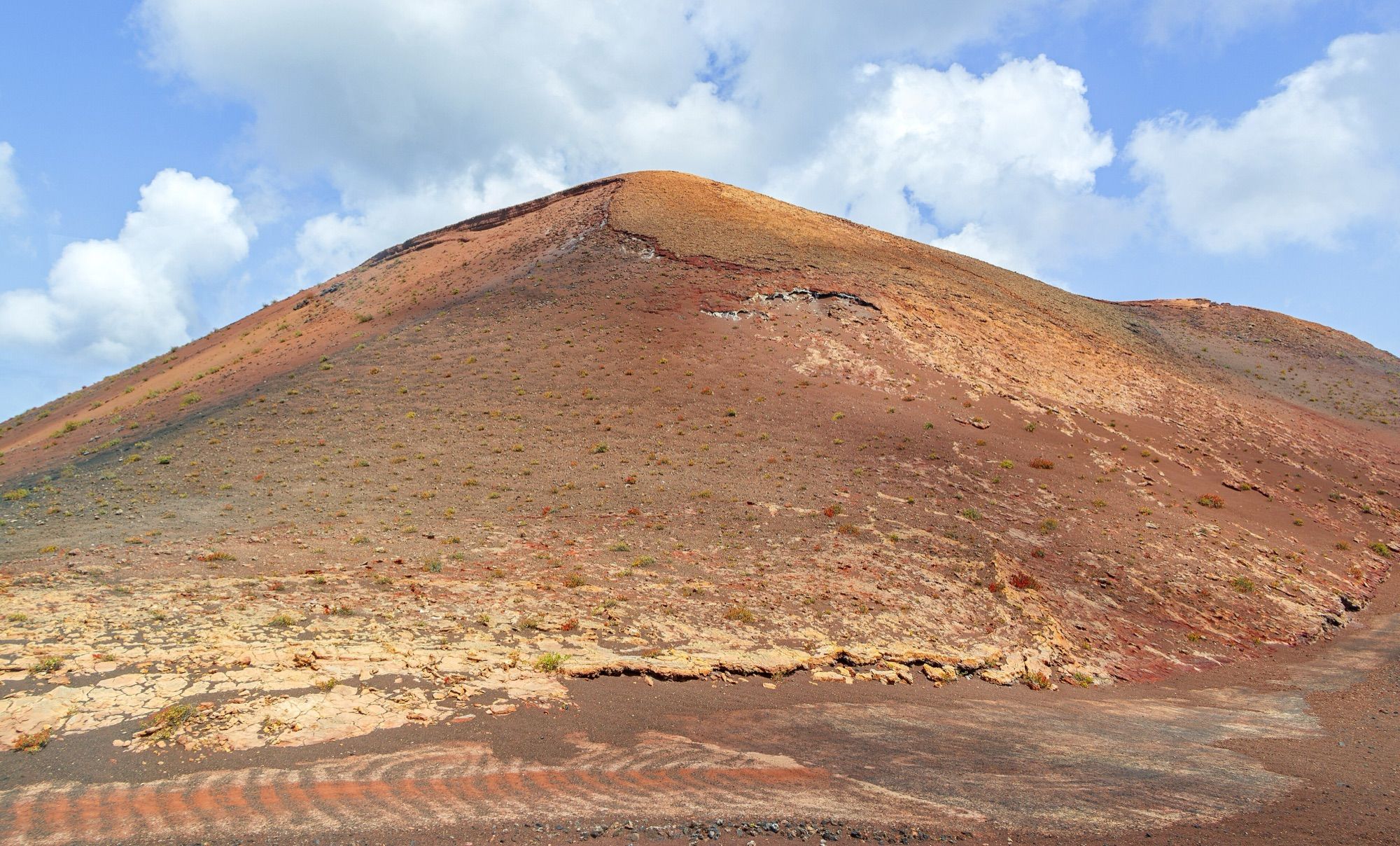
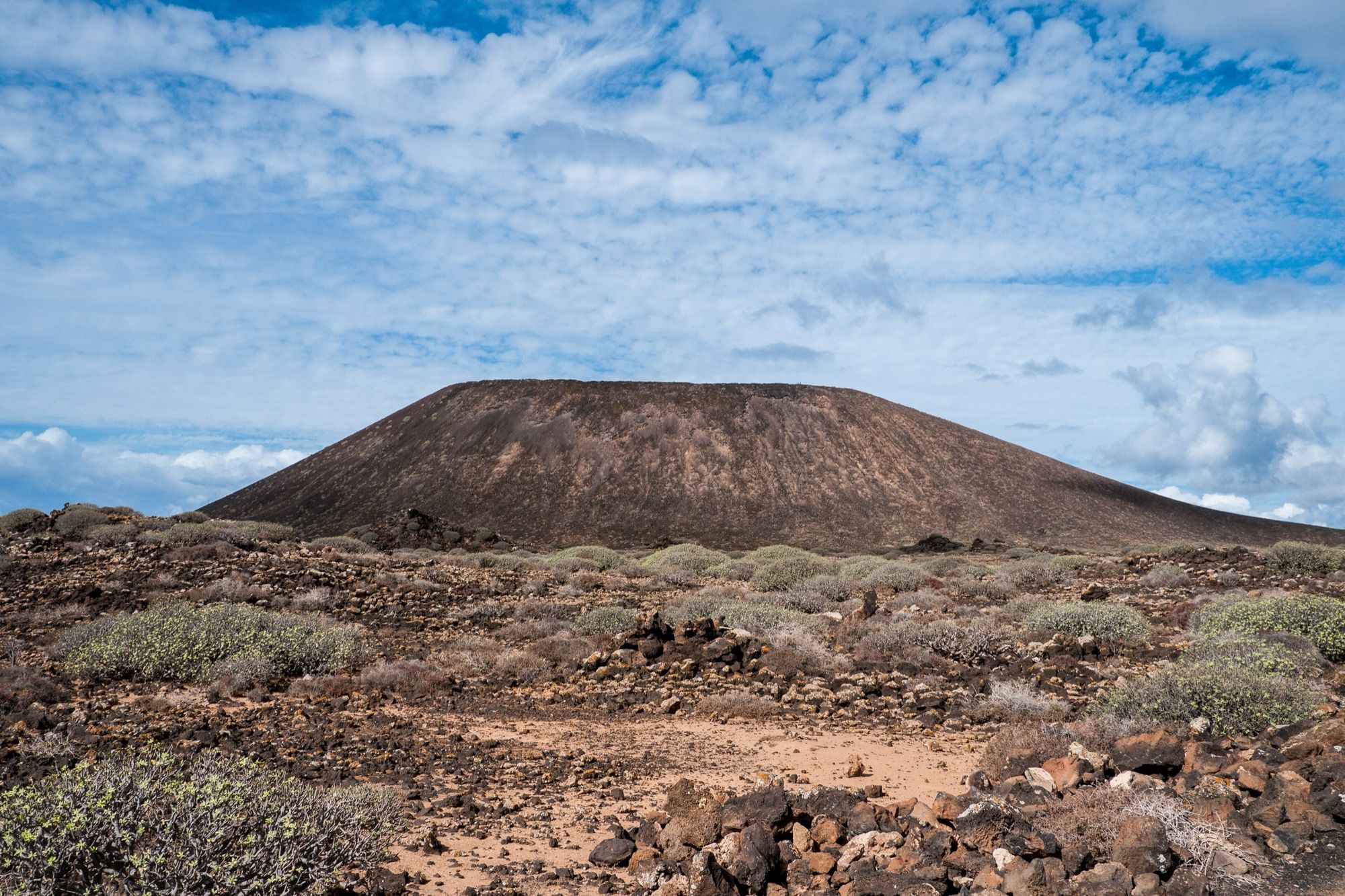
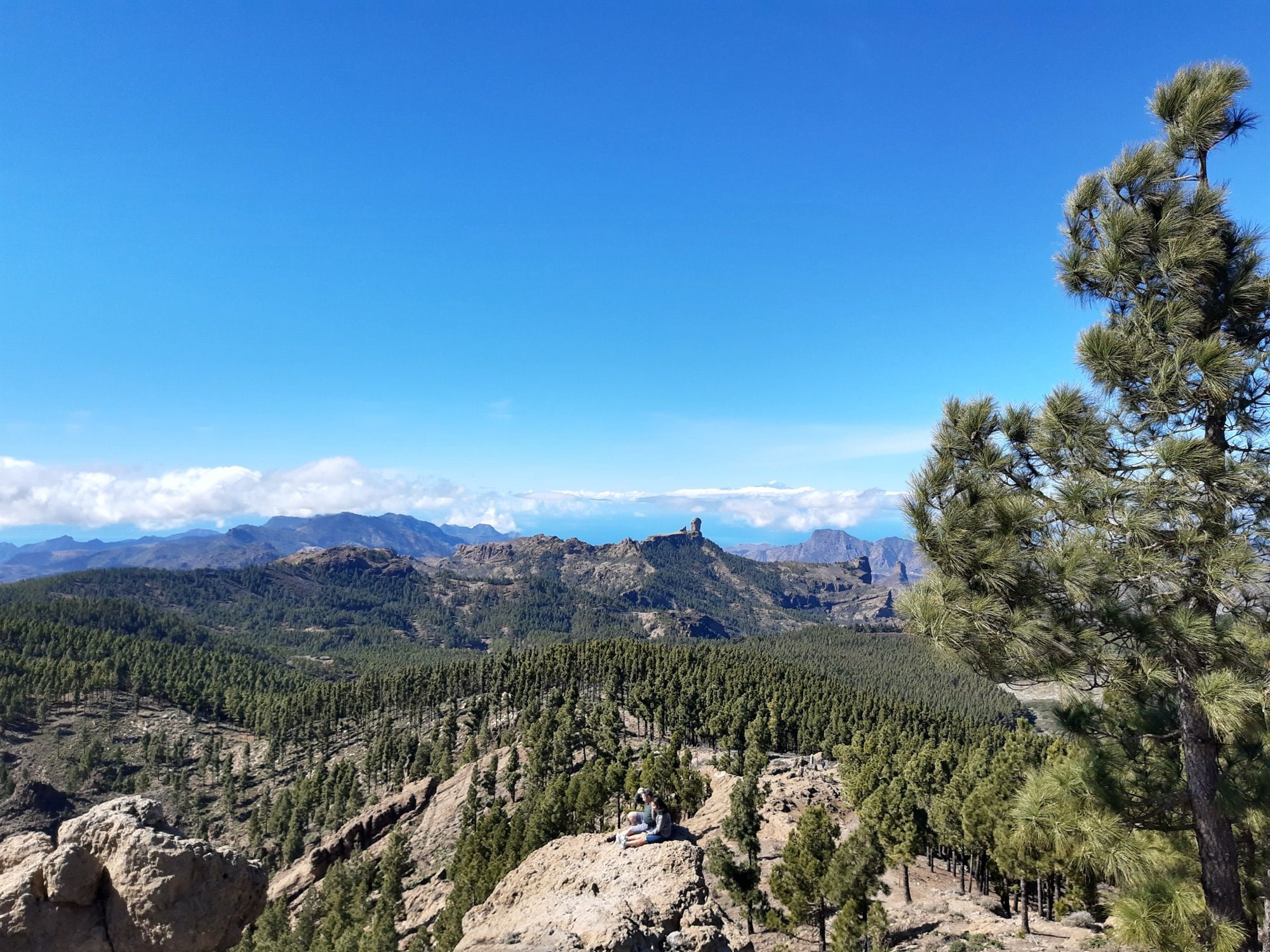
Each island has its own landscape. Tenerife is dominated by Mount Teide, the highest peak in Spain at 3,718 metres, inside a national park that UNESCO listed in 2007. Gran Canaria has the Maspalomas dunes on its south coast and pine-covered peaks around Roque Nublo inland. Lanzarote is a UNESCO Biosphere Reserve of lava fields, black-sand coves and whitewashed villages shaped by the artist César Manrique. Fuerteventura is the island of long, pale beaches, with the dunes of Corralejo in the north and the small nature reserve of Lobos just offshore.
When to go
Any month works. Winter days are usually around 20–21°C, and July to September highs reach 28–29°C. The sea is at its coolest, around 19°C, in late winter and warmest, around 23–24°C, from August to October. The south and east coasts of each island are generally sunnier and drier than the north. Book early for February half-term, Easter and Christmas, which are the busiest weeks for UK families.
Getting there from the UK
Direct flights take around four to four and a half hours, a little longer from Scotland and the north. Tenerife South (TFS), Gran Canaria (LPA), Lanzarote (ACE) and Fuerteventura (FUE) are served from London and from most UK regional airports, including Manchester, Birmingham, Bristol, East Midlands, Leeds Bradford, Newcastle, Glasgow, Edinburgh and Belfast. Tell us your nearest airport and we'll match the flights to your hotel.
Where to stay
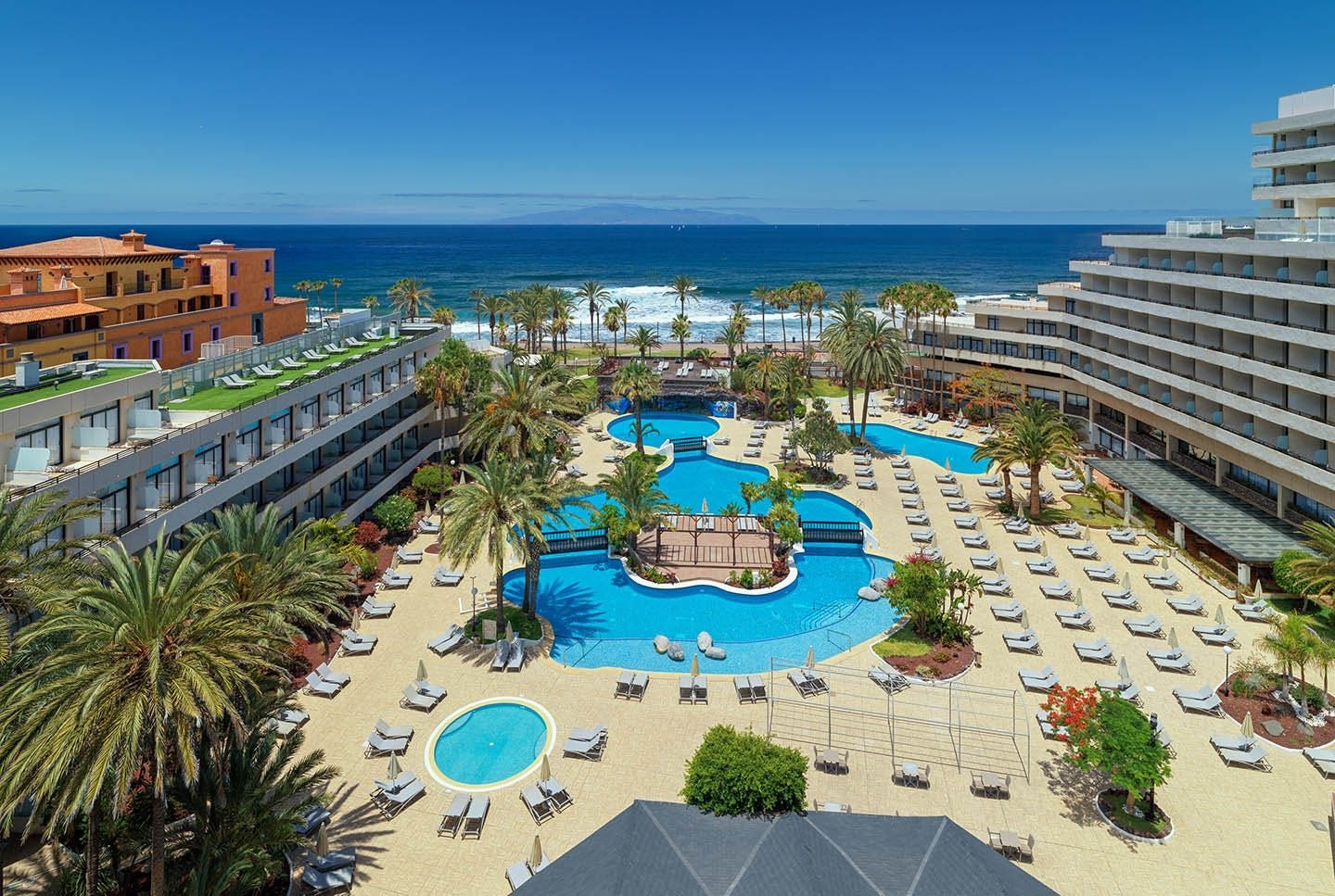
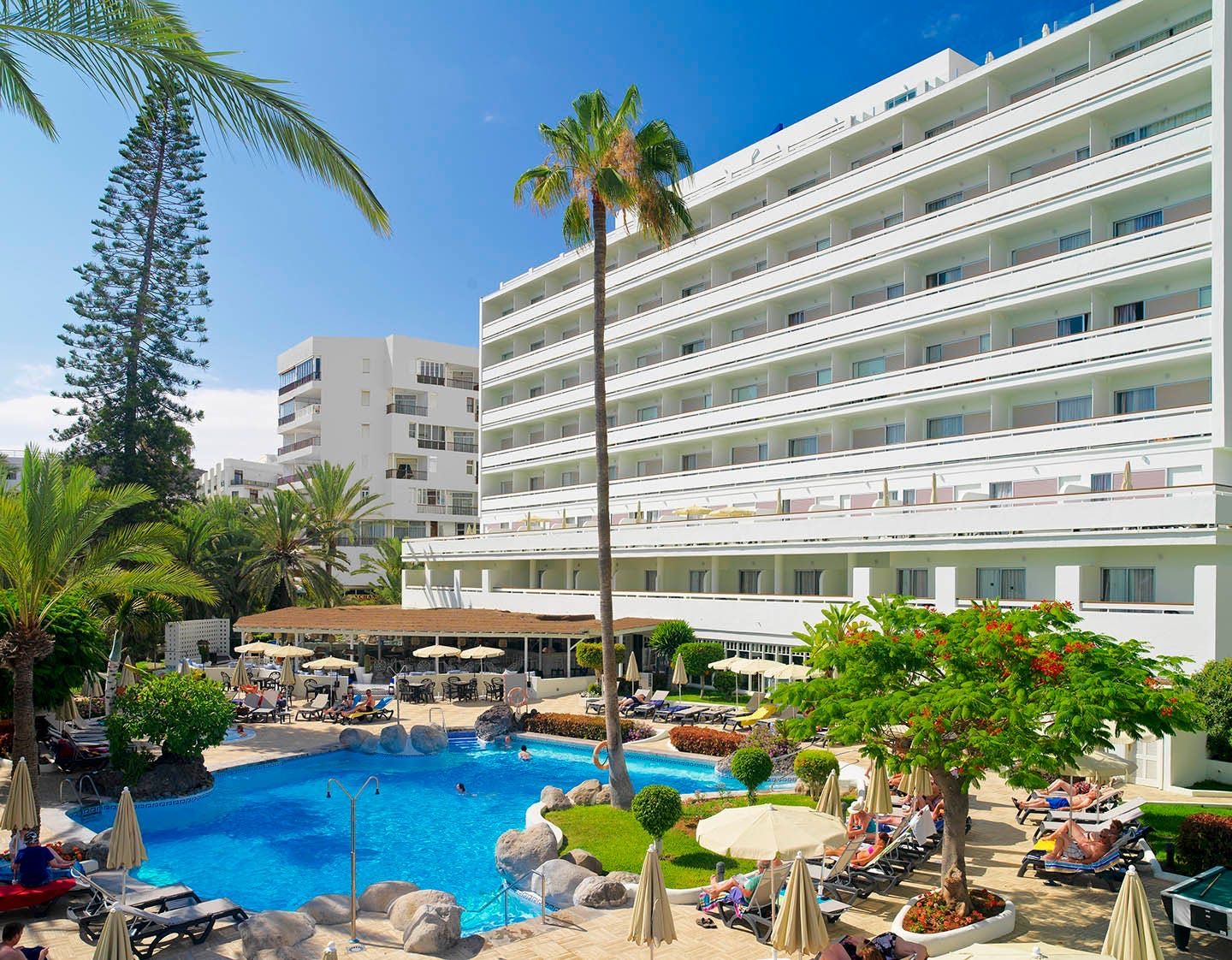
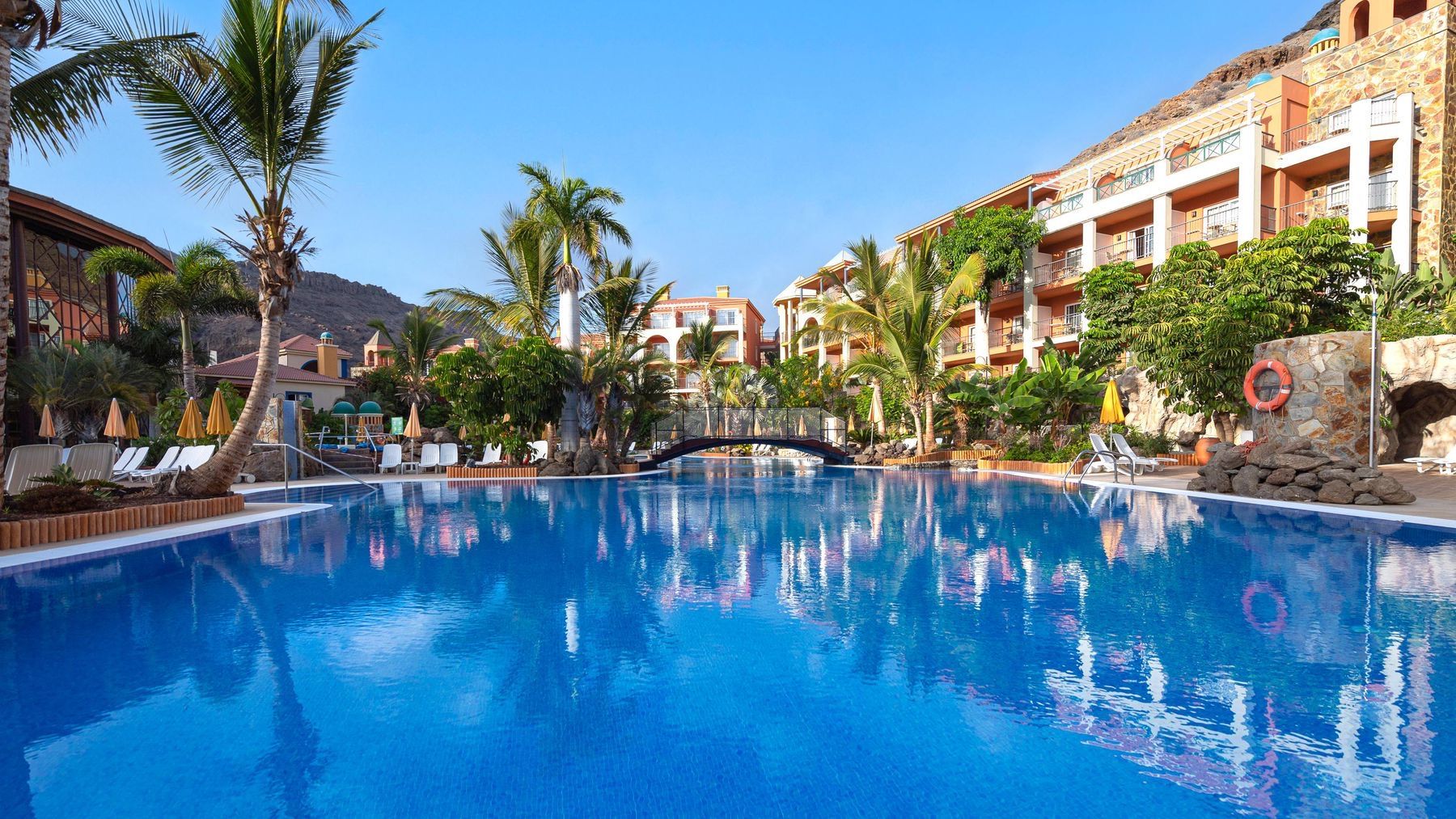
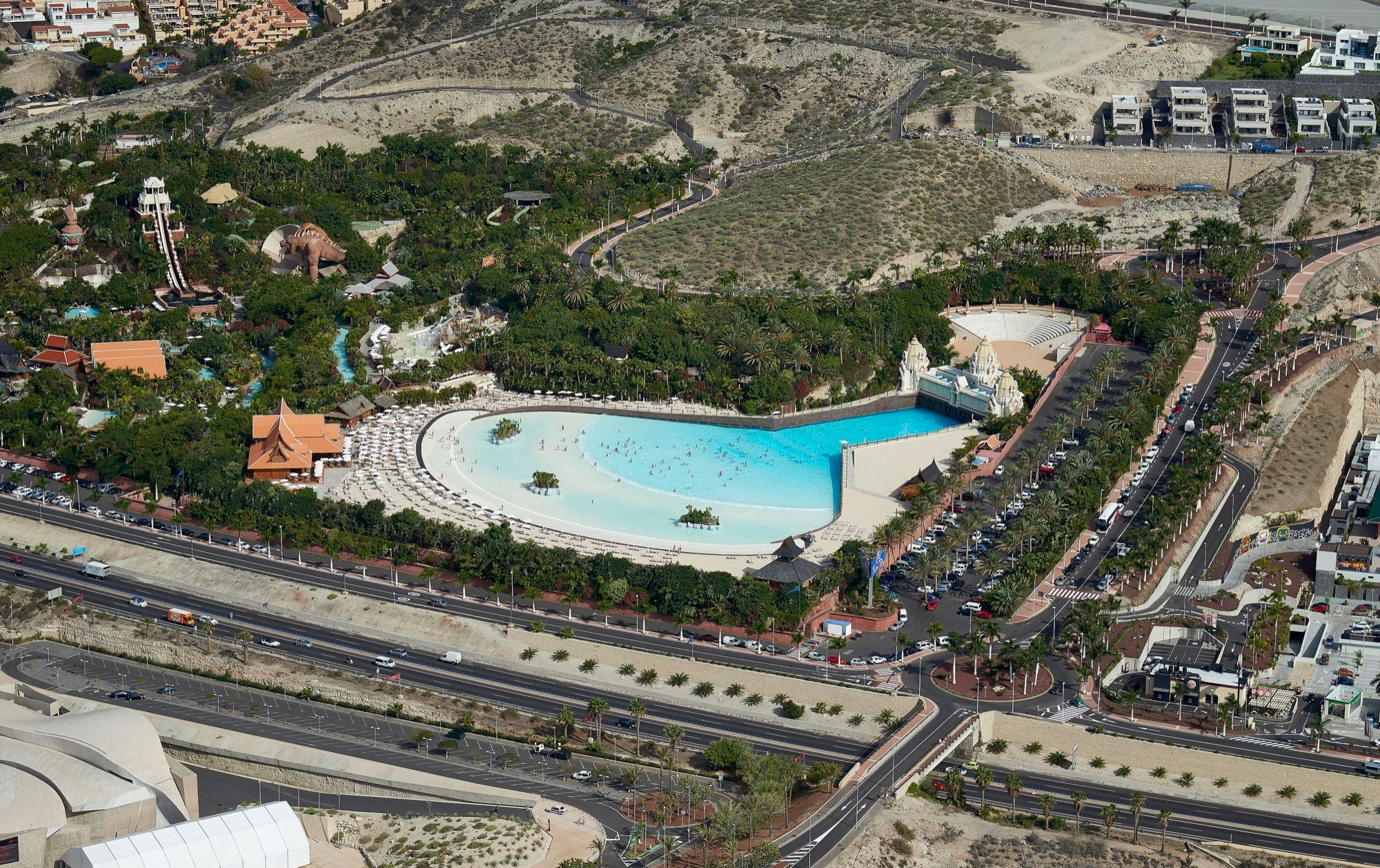
- Tenerife south: Playa de las Américas for nightlife and the promenade, Los Cristianos for a calmer harbour town, Costa Adeje for newer hotels and Siam Park.
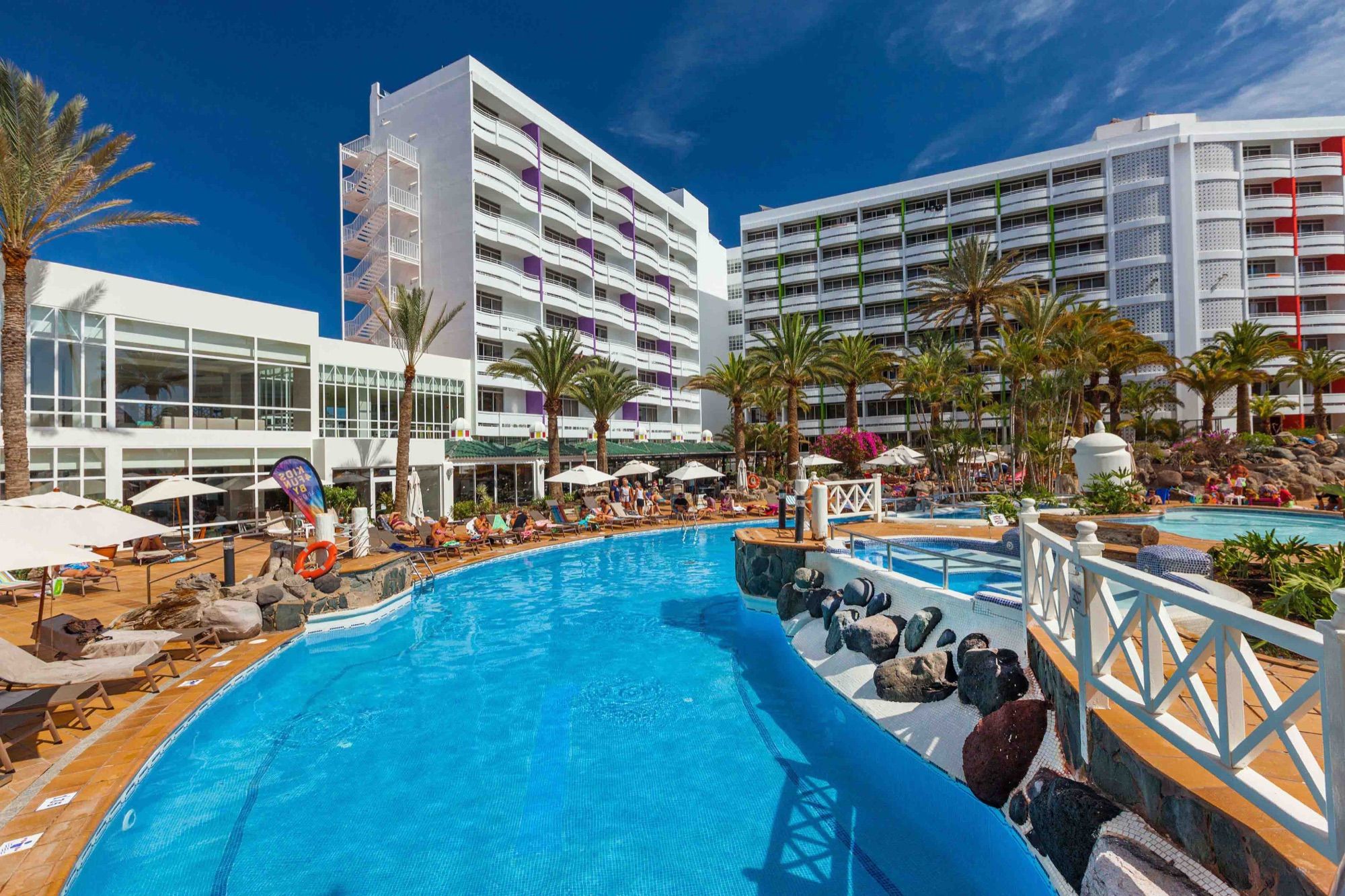
- Gran Canaria south: Playa del Inglés and Maspalomas for the dunes and lively evenings, Puerto de Mogán for a quieter fishing village with canals.
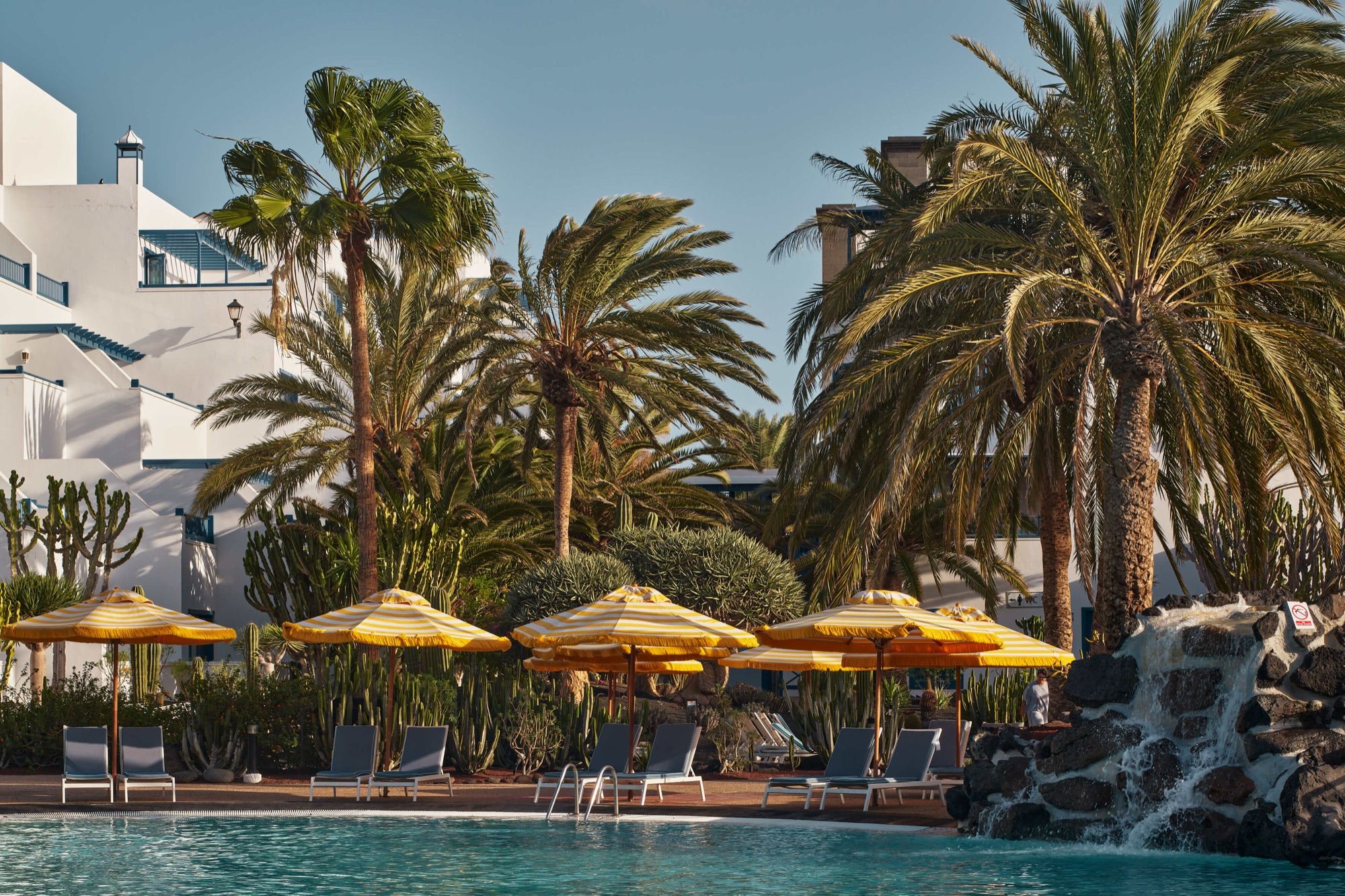
- Lanzarote: Puerto del Carmen for a long beach promenade close to the airport.
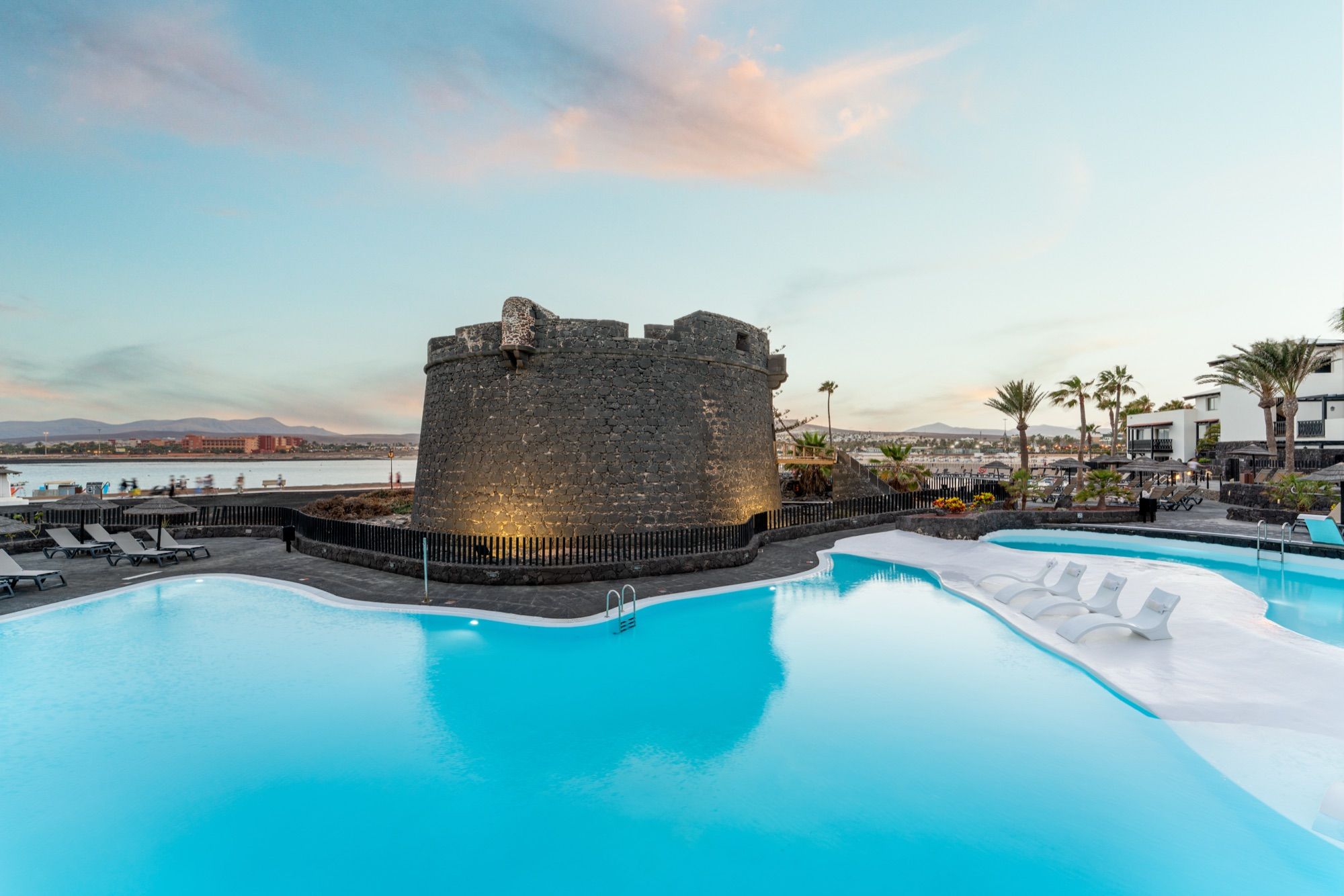
- Fuerteventura: Caleta de Fuste for calm, family-friendly bays; Corralejo for dunes and boat trips to Lobos.
What to do
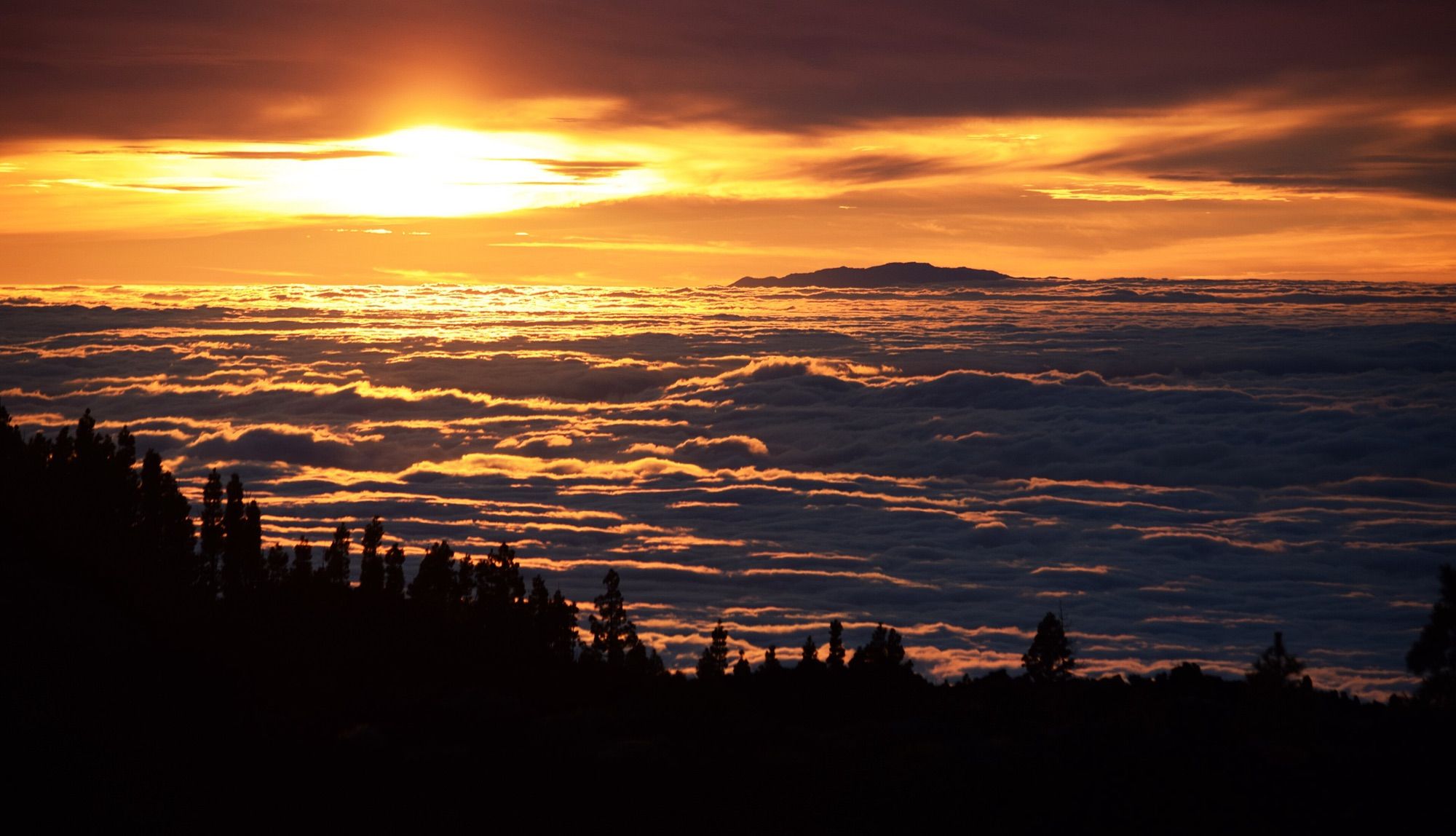
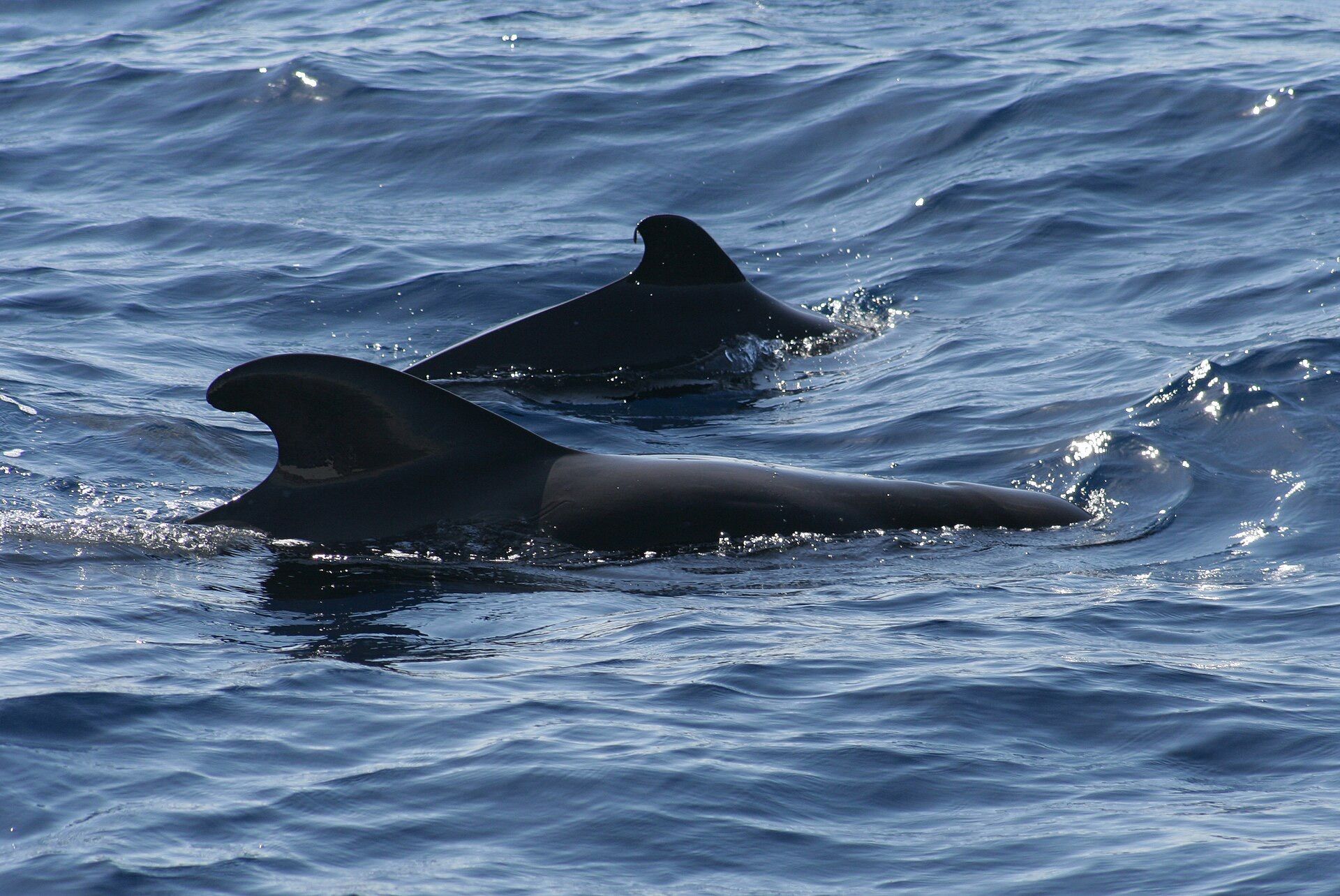
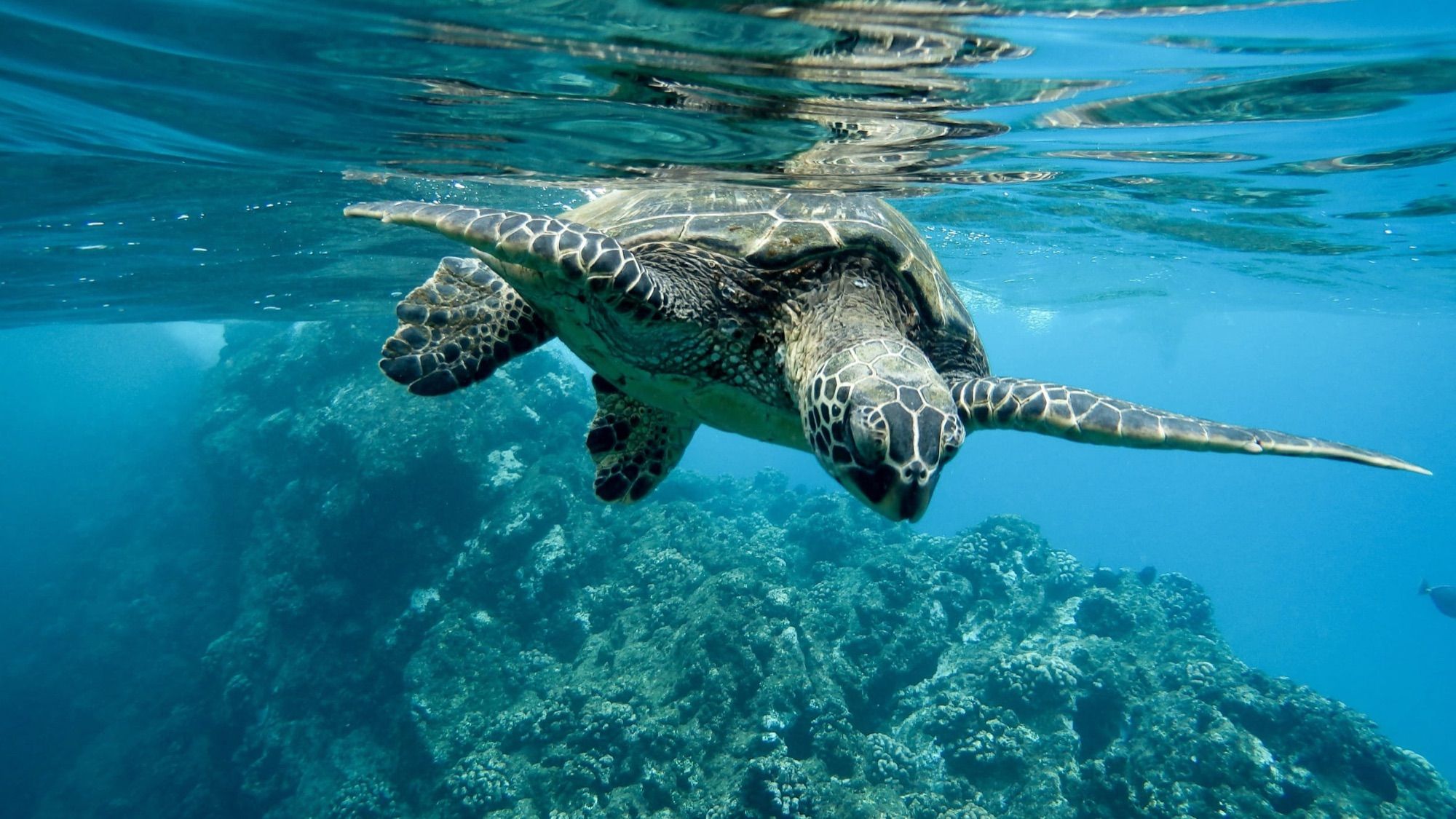
Drive up into Teide National Park or join a sunset and stargazing tour above the clouds. Take a catamaran out of Costa Adeje to watch pilot whales and dolphins. In Lanzarote, see the Fire Mountains of Timanfaya, the green lagoon at El Golfo and the vineyards of La Geria. Snorkel off Lobos, walk the old streets of Teror and Arucas in Gran Canaria, or spend a day on the slides at Siam Park.
Food
Order papas arrugadas, small salt-crusted potatoes with red and green mojo sauces, and fresh fish at a harbour restaurant. Look for gofio, a toasted grain flour used in many local dishes, and queso majorero, Fuerteventura's goat's cheese. Lanzarote's Malvasía wines grow in black volcanic ash behind low stone walls in La Geria.
Good to know
- Currency: euro (€)
- Time: same as the UK all year
- Plugs: type C/F, 230 V. Bring a UK-to-EU adaptor
- Language: Spanish; English is widely spoken in the resorts
- Passports: check the latest UK government entry rules for Spain before you travel
Tell us which island, your airport and your dates, and we'll put your holiday together.