Madeira
Portugal's garden island: levada walks, mountain sunrises, whale watching and Madeira wine, under four hours from the UK.
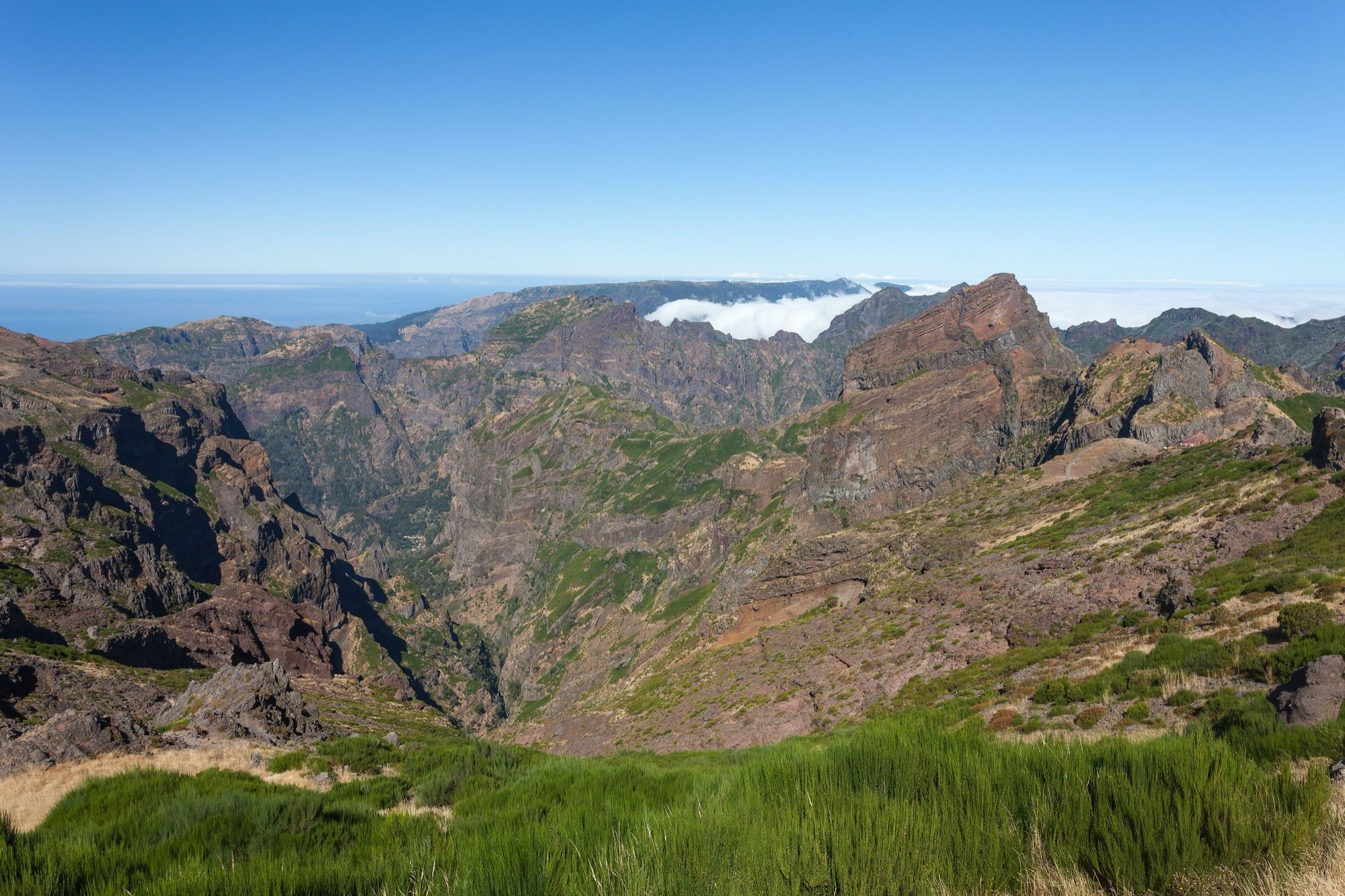
Madeira rises steeply out of the Atlantic, a volcanic island of laurel forest, terraced hillsides and sea cliffs, with mild weather in every month of the year. It's Portuguese, it uses the euro and it keeps UK time, and you can be there in about four hours.
Why go
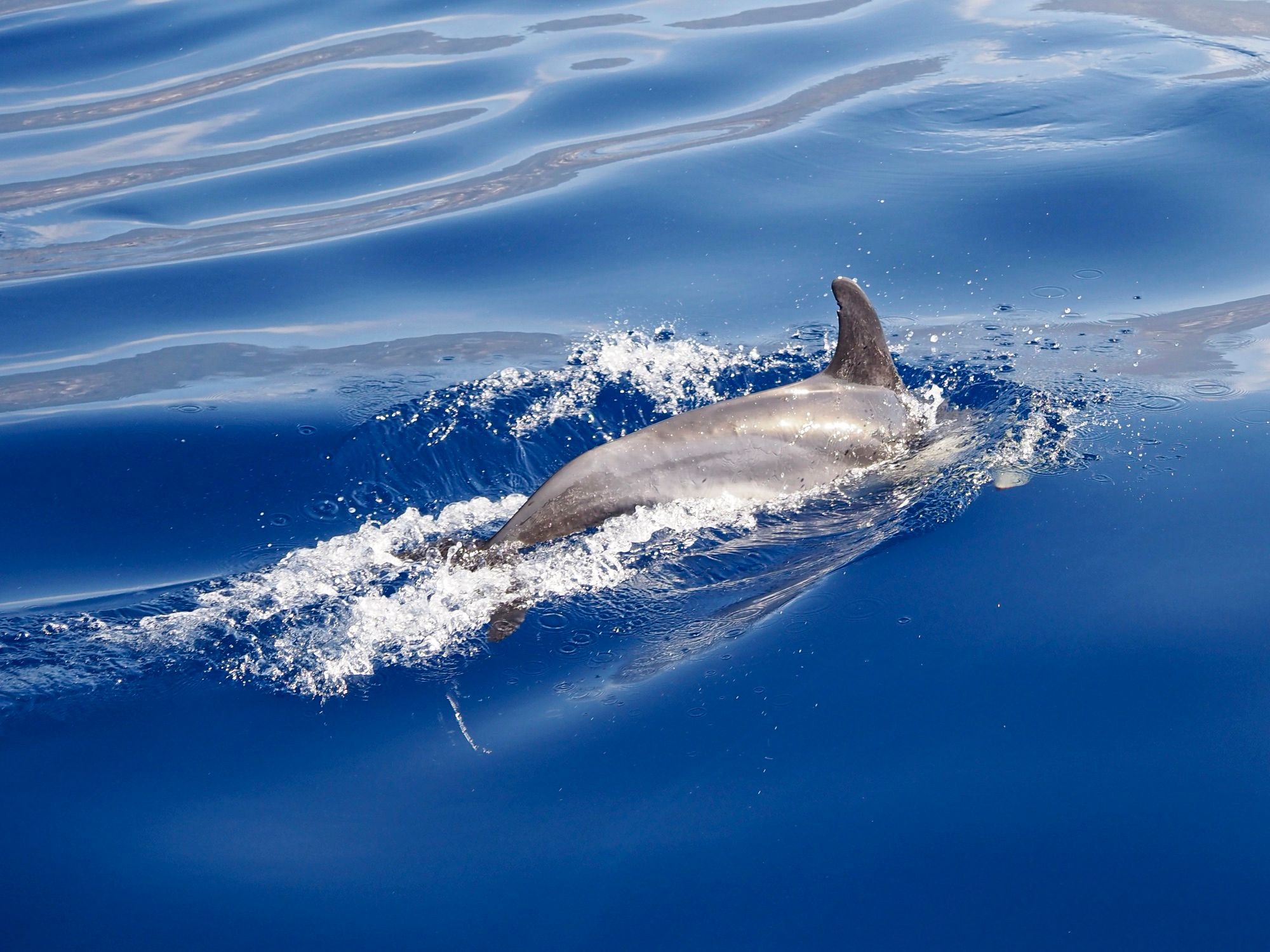
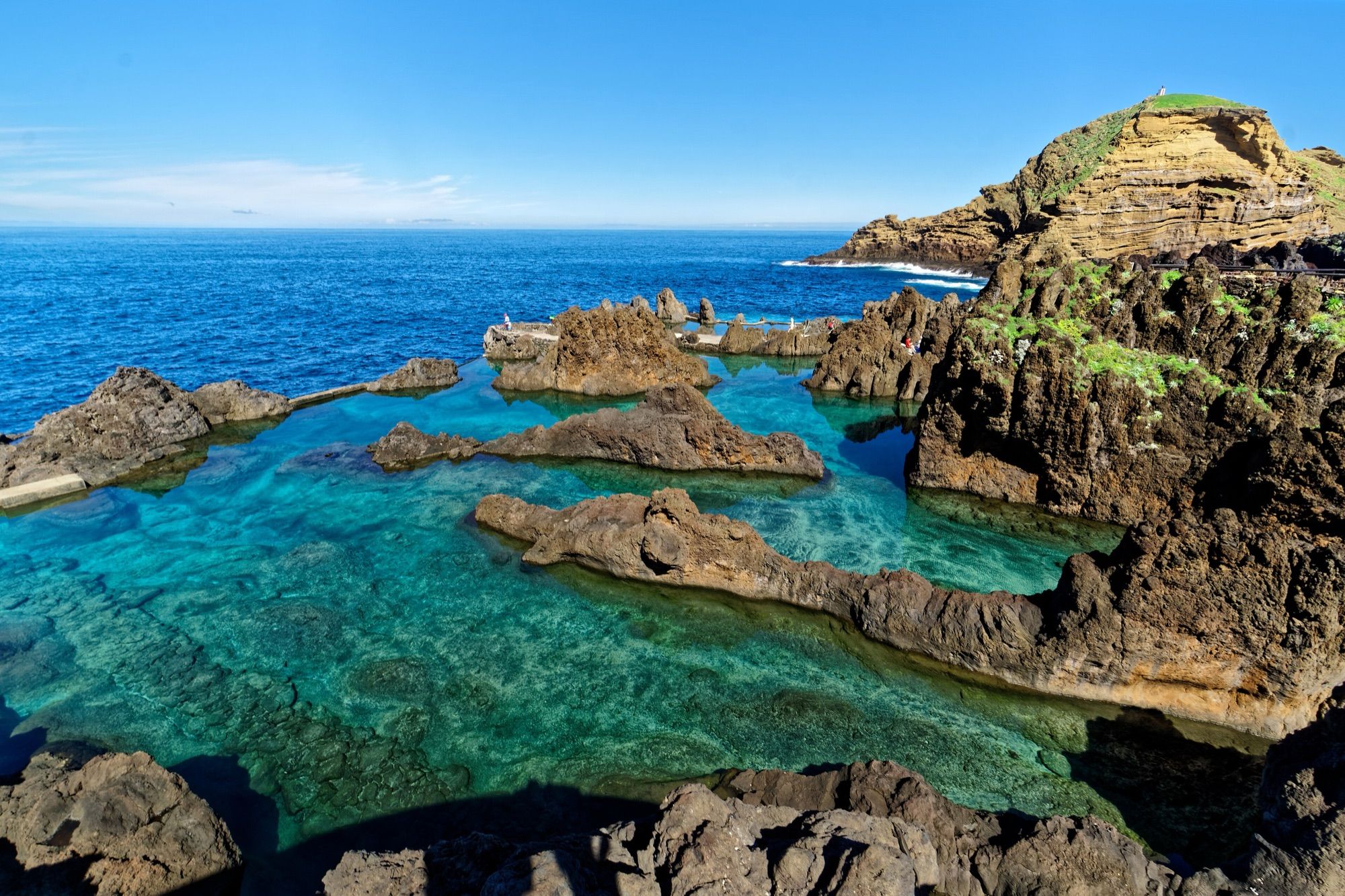
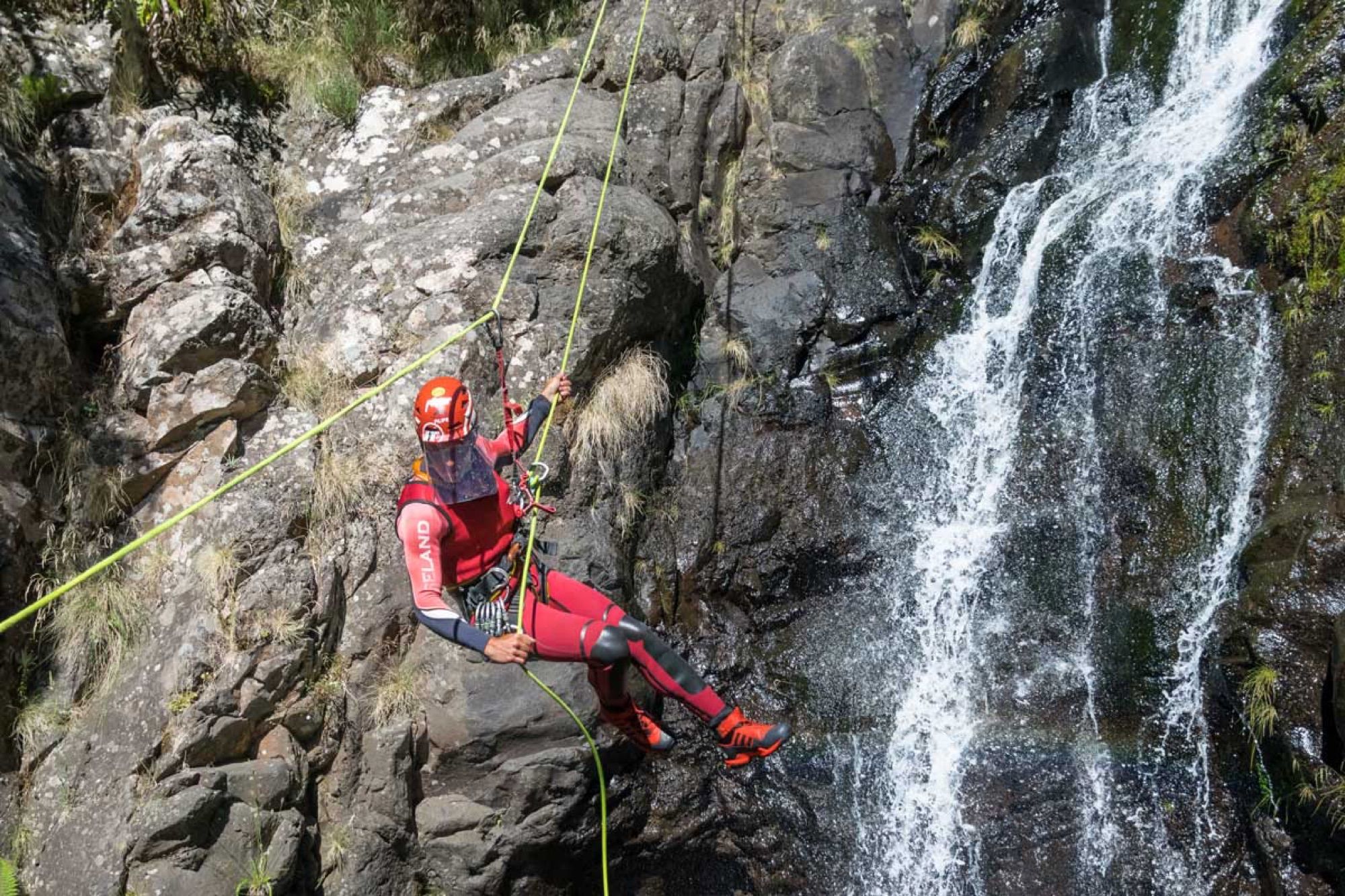
Come for the walking: hundreds of kilometres of levadas, the narrow water channels cut along the mountainsides, lead you through the Laurisilva, a laurel forest that has been a UNESCO World Heritage Site since 1999. Stay for the rest: whale and dolphin trips from Funchal, the glass skywalk at Cabo Girão, 580 metres above the sea, natural lava pools on the north coast and a glass of Madeira wine at sunset.
When to go
Madeira has a subtropical climate, from around 17 °C in winter to about 25 °C in summer. April to October brings the most sunshine and the least rain, and the sea is warmest in late summer, around 23 °C. Winter is mild and ideal for walking, though showers are more likely. The south coast is generally sunnier and drier; the north and the mountains are greener, cooler and often wrapped in cloud. Look out for the Flower Festival in spring and the New Year's Eve fireworks over Funchal bay.
Getting there from the UK
Direct flights land at Madeira's international airport (FNC), on the south-east coast east of Funchal, in around 3 hours 30 minutes to 4 hours 15 minutes. Jet2, easyJet and TUI fly from airports including London Gatwick, Luton and Stansted, Bristol, Manchester and Newcastle, with some seasonal routes from regional airports. Tell us where you'd like to fly from and we'll find the best option.
Where to stay
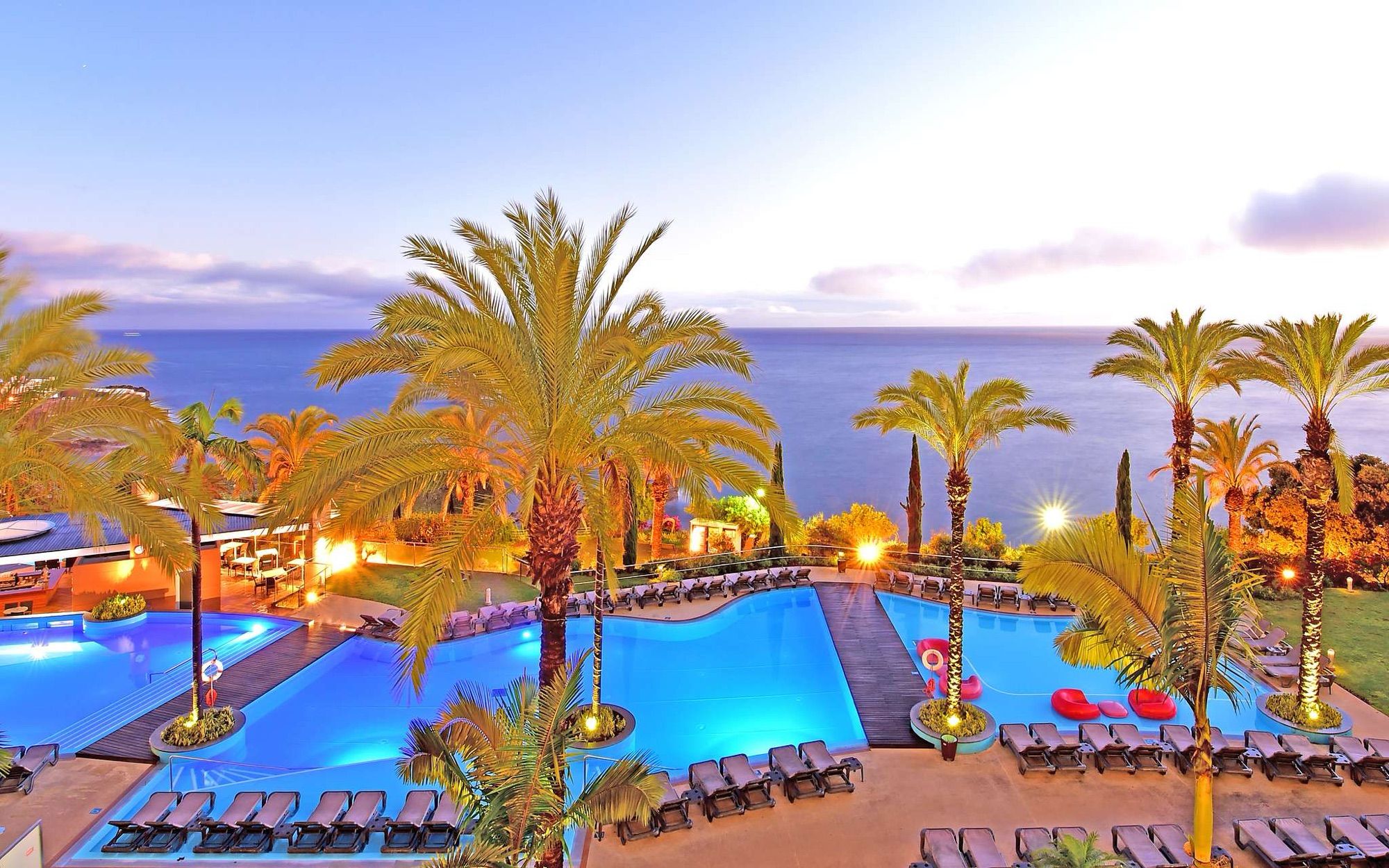
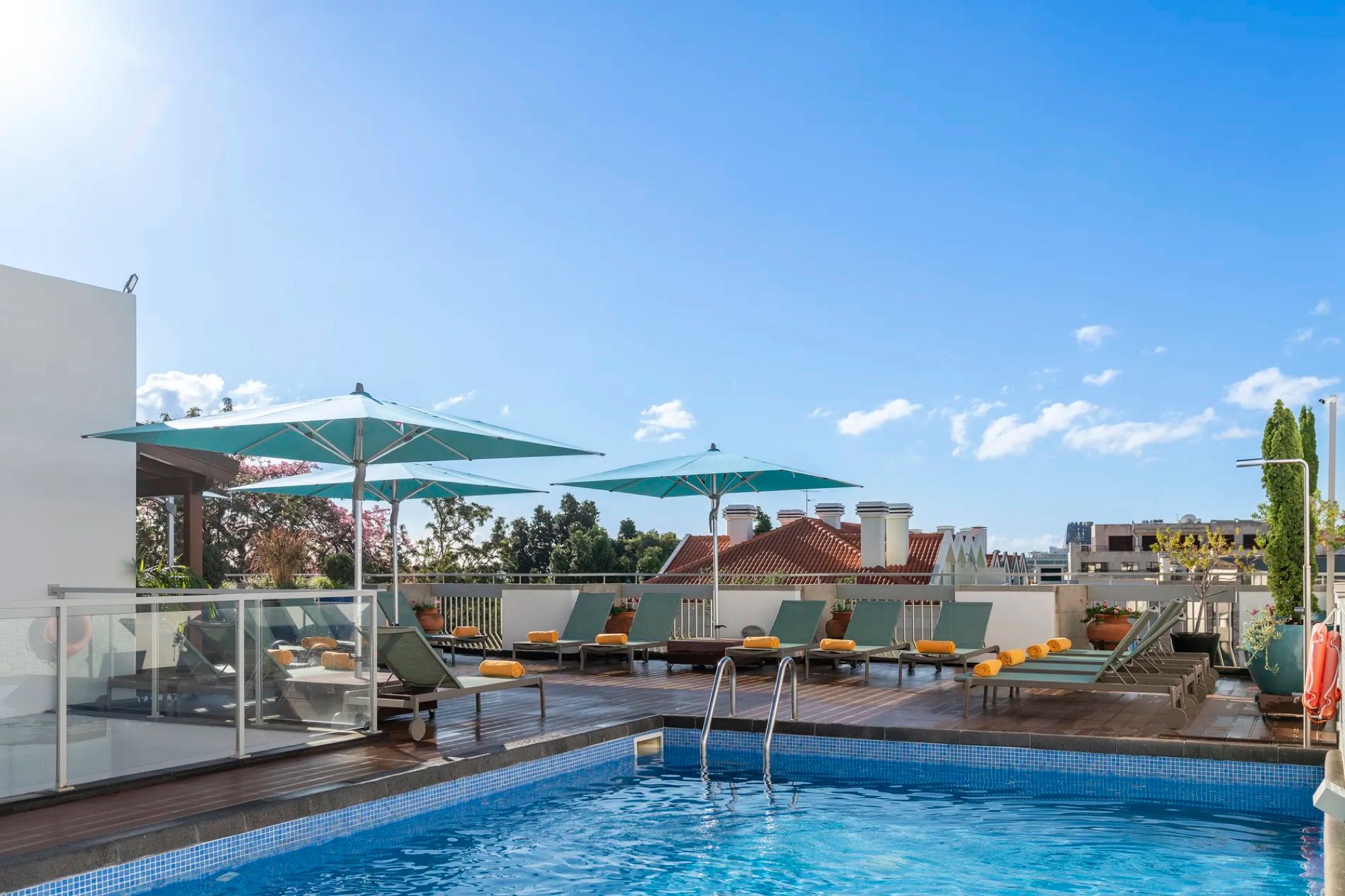
- Funchal: the capital, with the Lido hotel strip and seafront promenade to the west, and the Old Town (Zona Velha) for restaurants and the cable car to Monte.
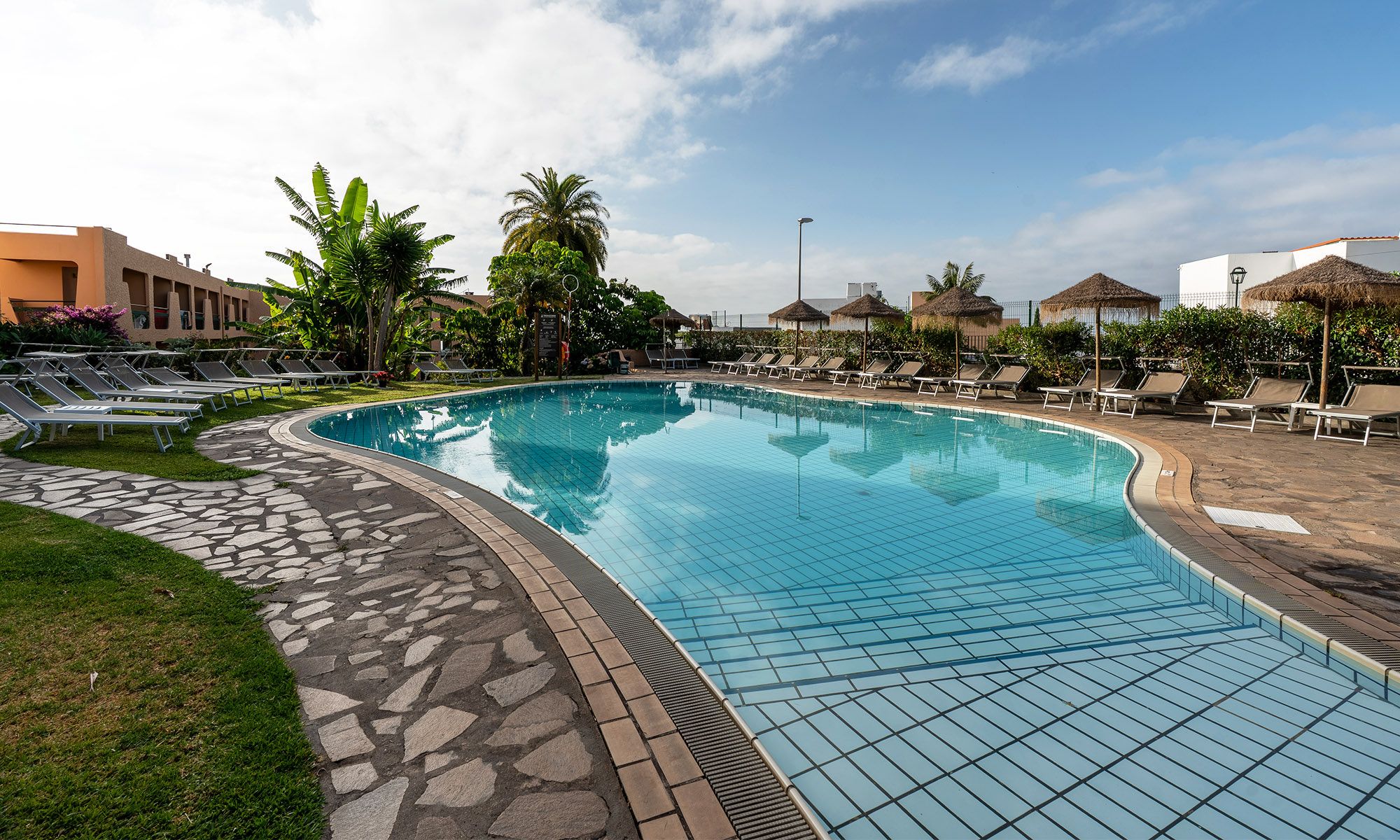
- Caniço and Garajau: quieter clifftop resorts east of Funchal, close to a protected marine reserve.
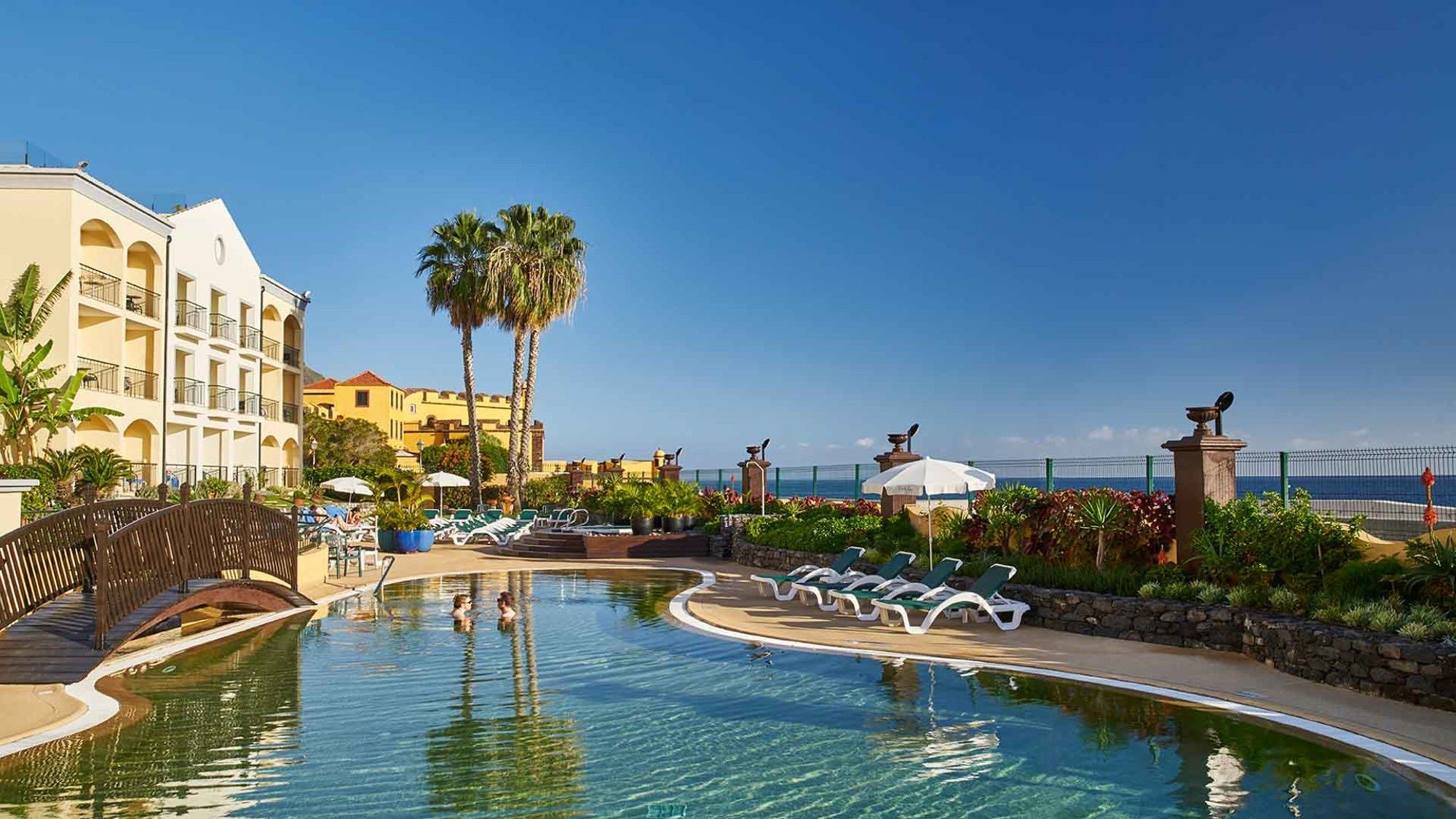
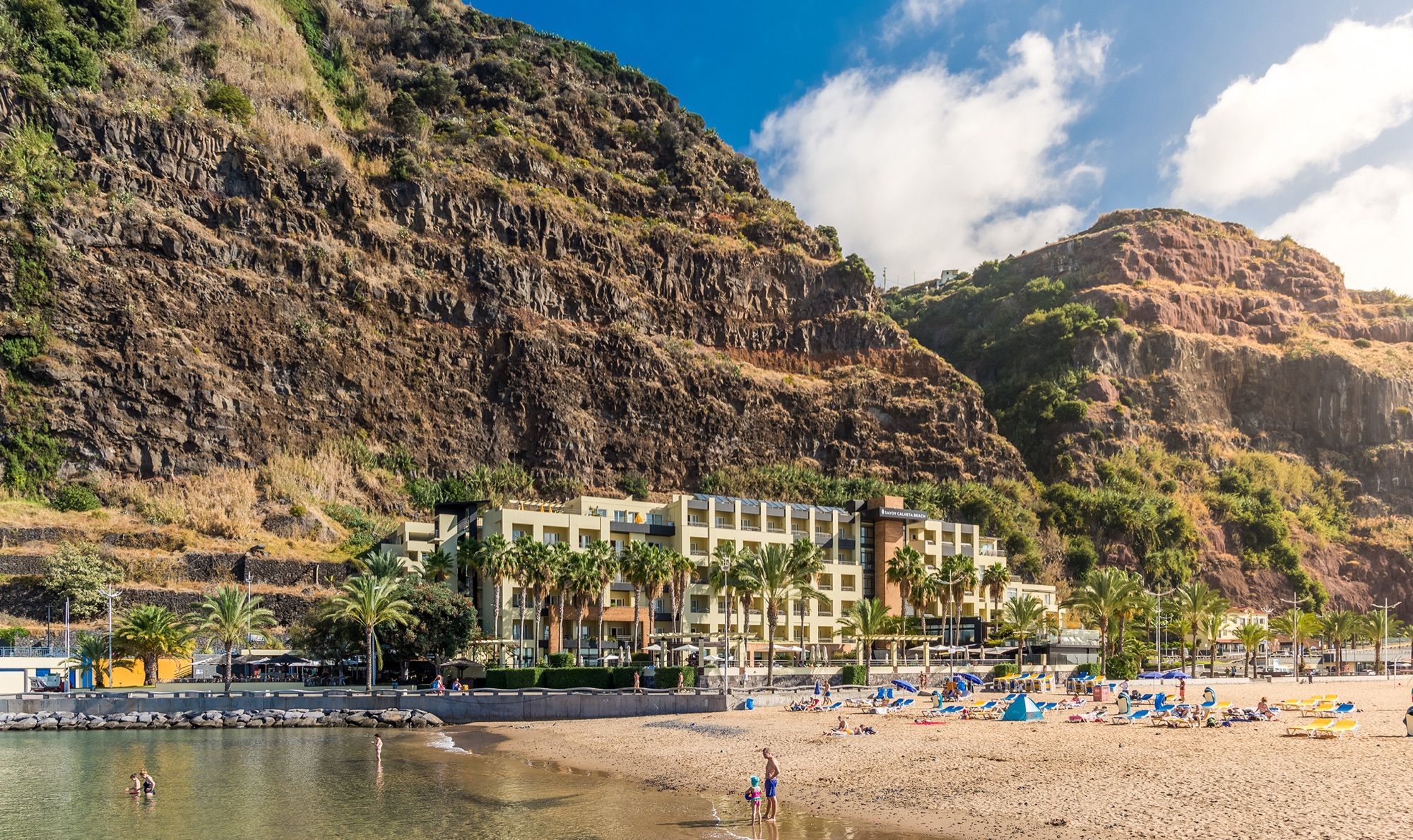
- Calheta: the sunny south-west, with a sheltered sandy beach and a marina.
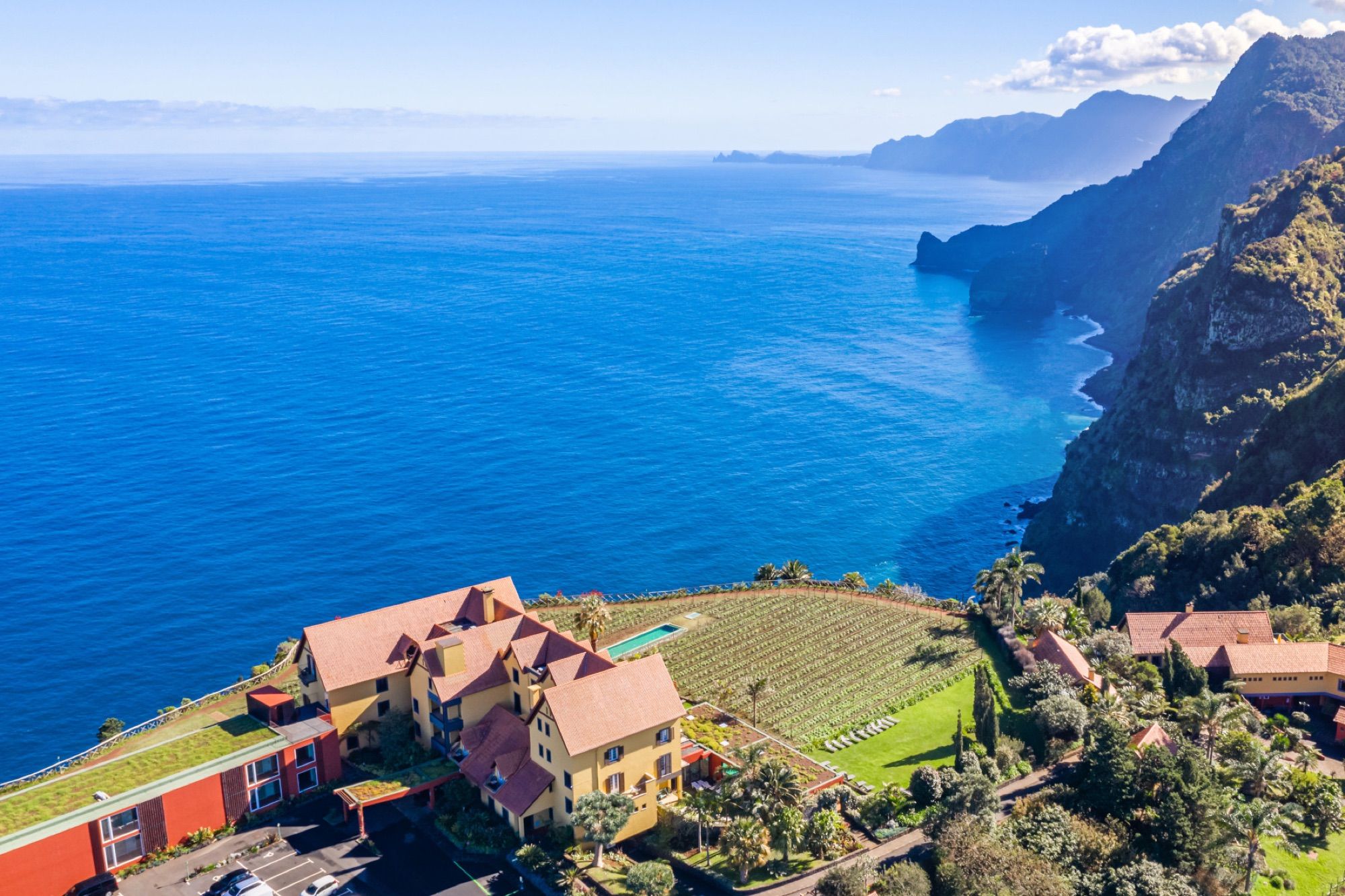
- The north coast: Santana and Porto Moniz, for dramatic scenery and a slower pace.
What to do
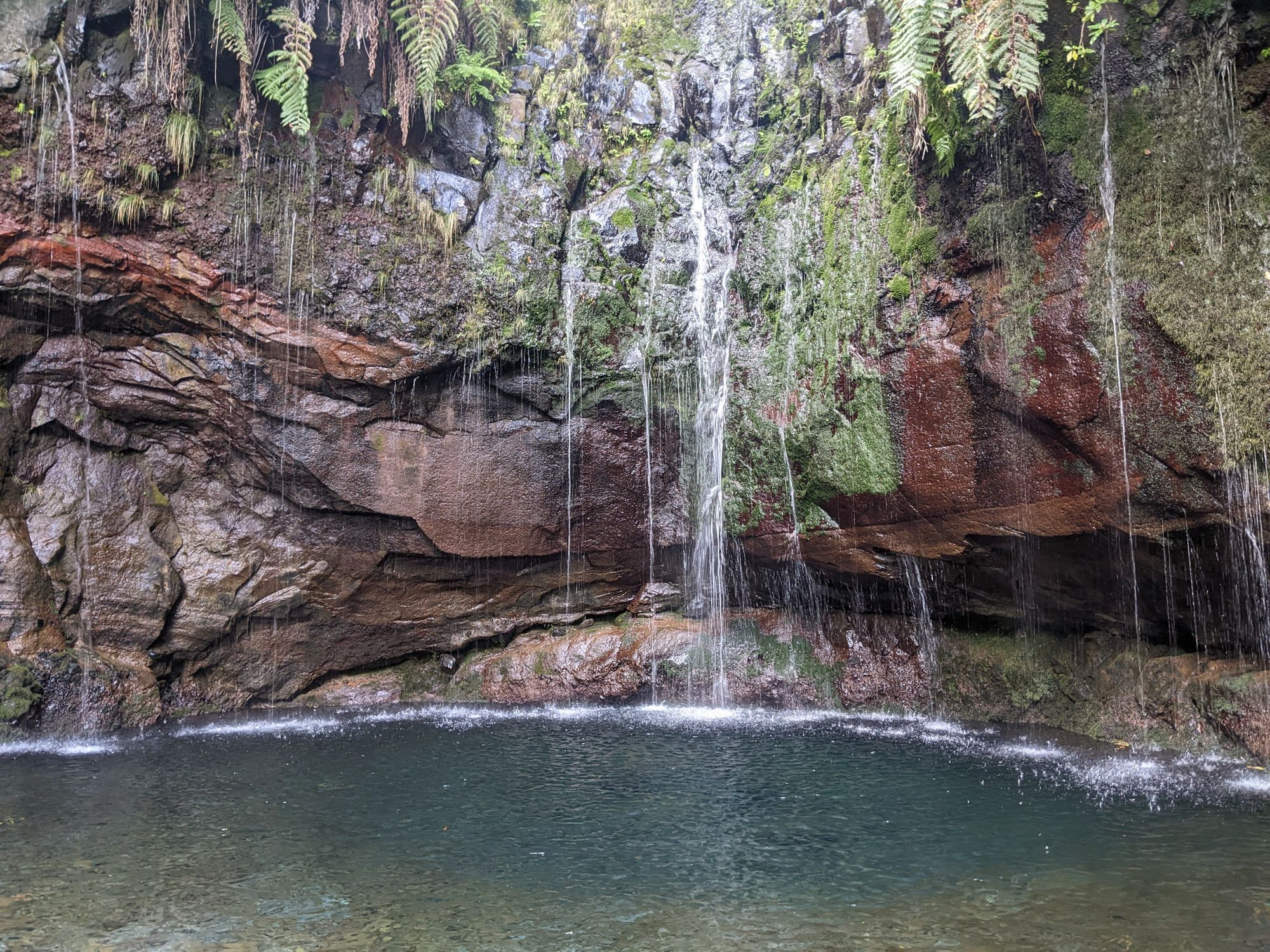
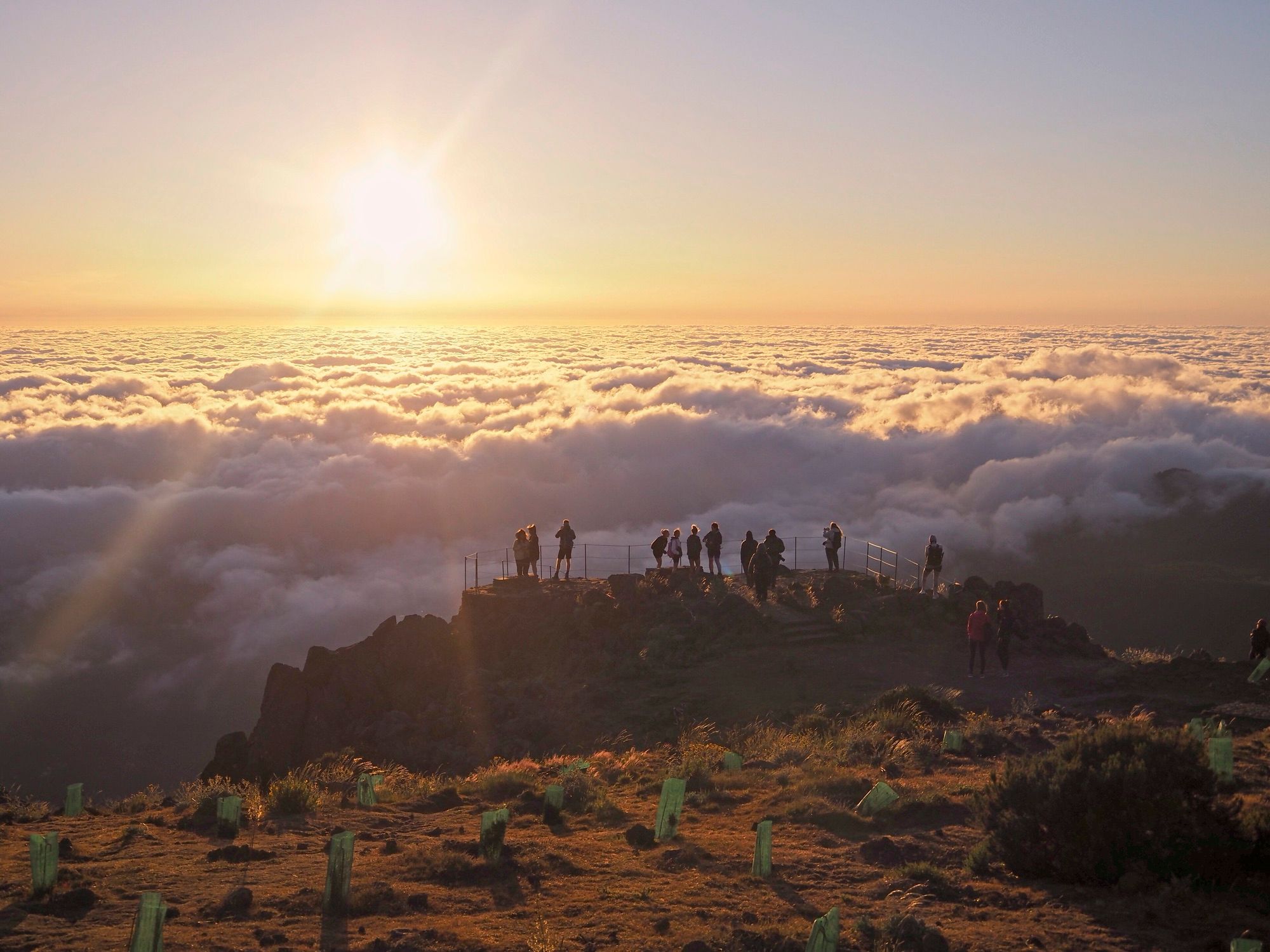
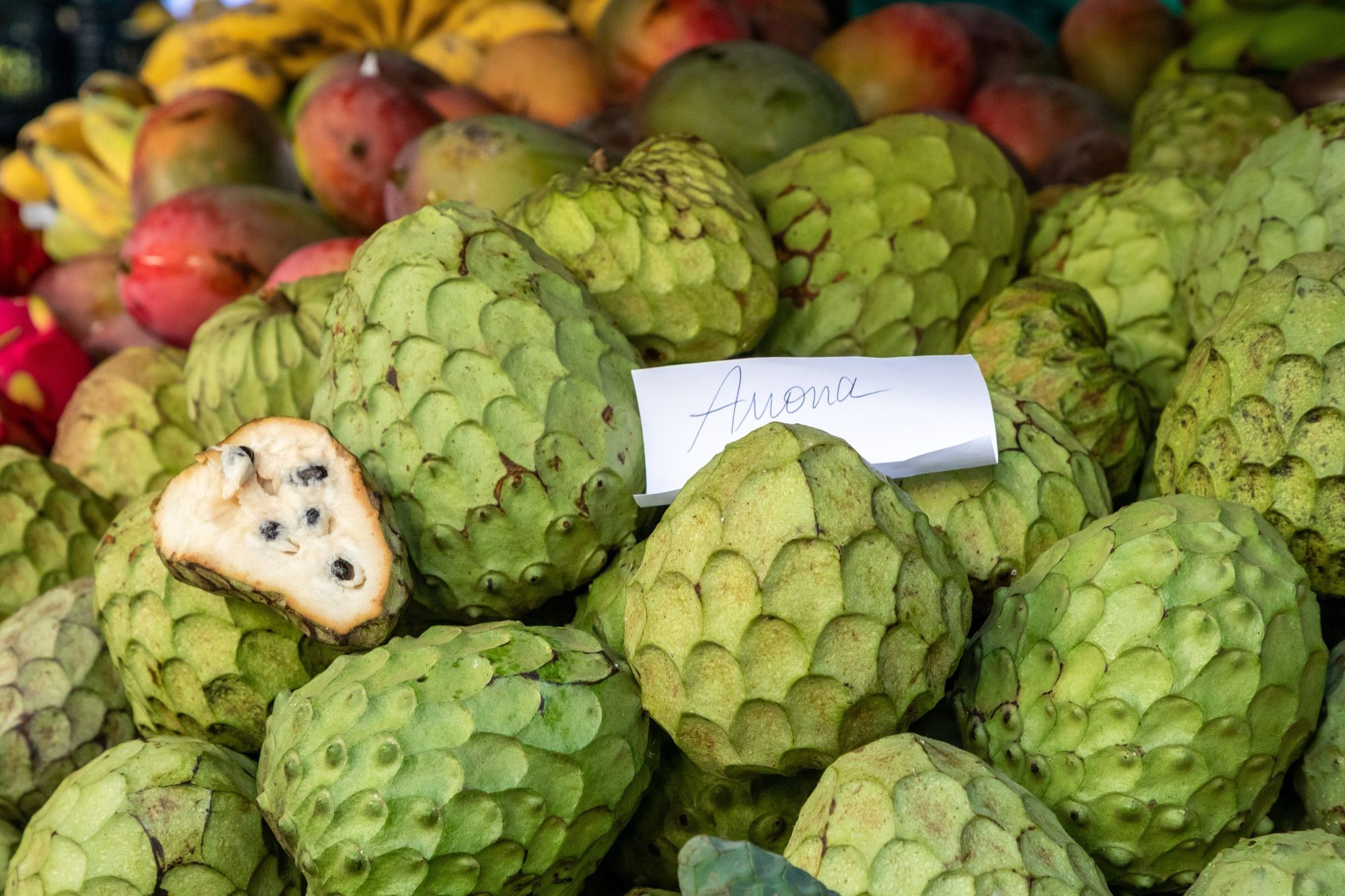
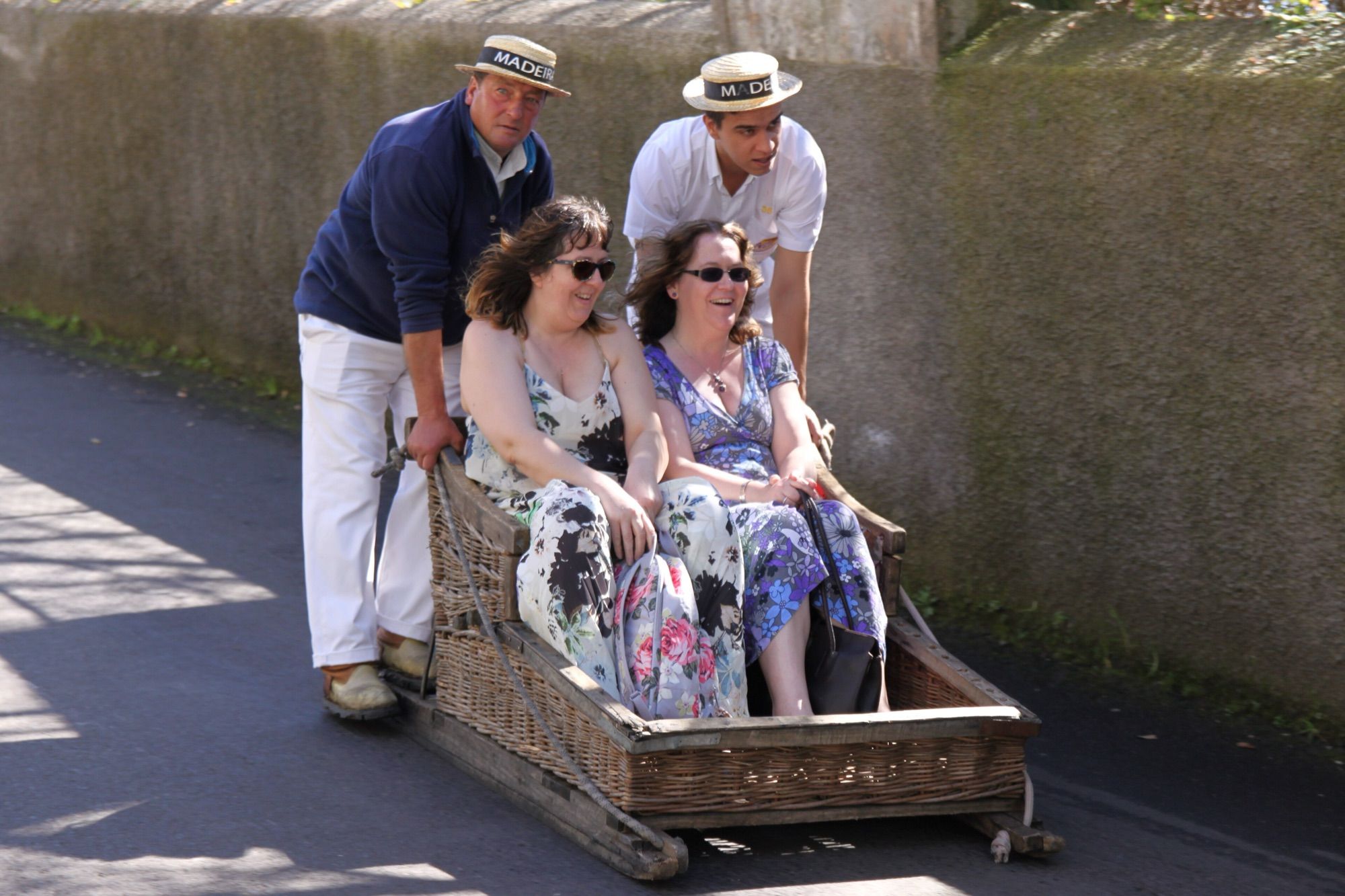
Walk the levada to the 25 Fontes springs, watch the sun rise over the clouds at Pico do Arieiro and hike to Pico Ruivo, the island's highest peak at 1,862 metres. Take a jeep across the west to Fanal's ancient laurel trees and the pools of Porto Moniz. In Funchal, ride the cable car up to Monte and come down by wicker toboggan, then taste your way around the Mercado dos Lavradores.
Food and drink
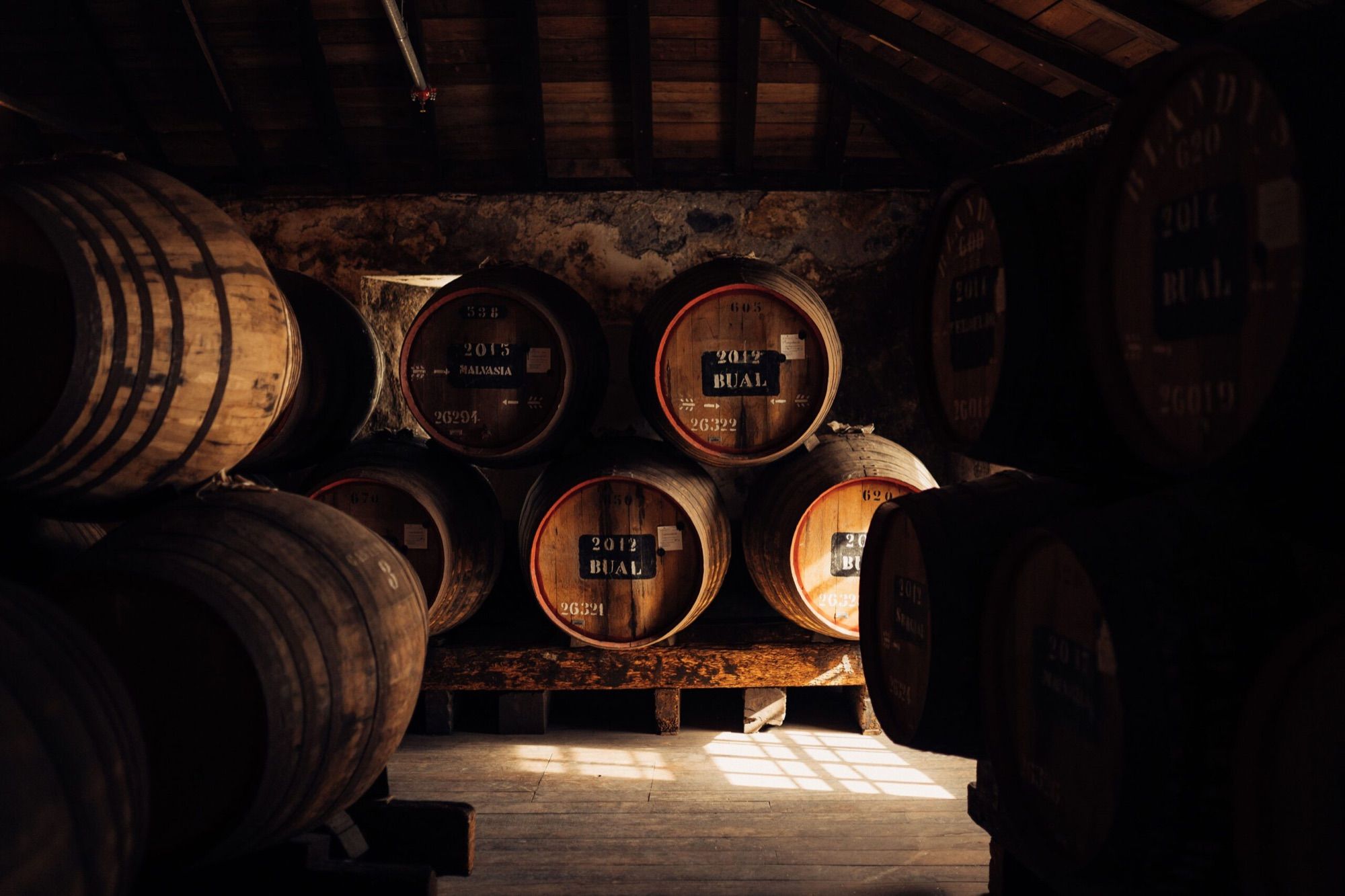
Try espetada (beef skewers grilled over wood), espada (black scabbardfish), often served with banana, limpets with garlic butter and bolo do caco, a flatbread served warm with garlic butter. Poncha, made with sugar-cane rum, honey and lemon, is the local drink, and Madeira wine, from dry Sercial to rich Malmsey, has been shipped from Funchal for centuries.
Good to know
- Currency: euro (EUR)
- Time: same as the UK all year
- Language: Portuguese; English is widely spoken in tourist areas
- Plugs: type F, 230 V. Bring a European adaptor
- Walking: Madeira's official PR trails need an advance time-slot booking and a small fee for visitors; we'll arrange it with any guided walk
- Tourist tax: some municipalities charge a small nightly tax, paid at the hotel
- Passports: check the latest entry rules for Portugal before you travel
Tell us your airport and dates and we'll tailor your Madeira holiday.