Santorini
Clifftop villages above a flooded volcano, black-sand beaches, boat trips to the crater and volcanic wines. About four hours from the UK.
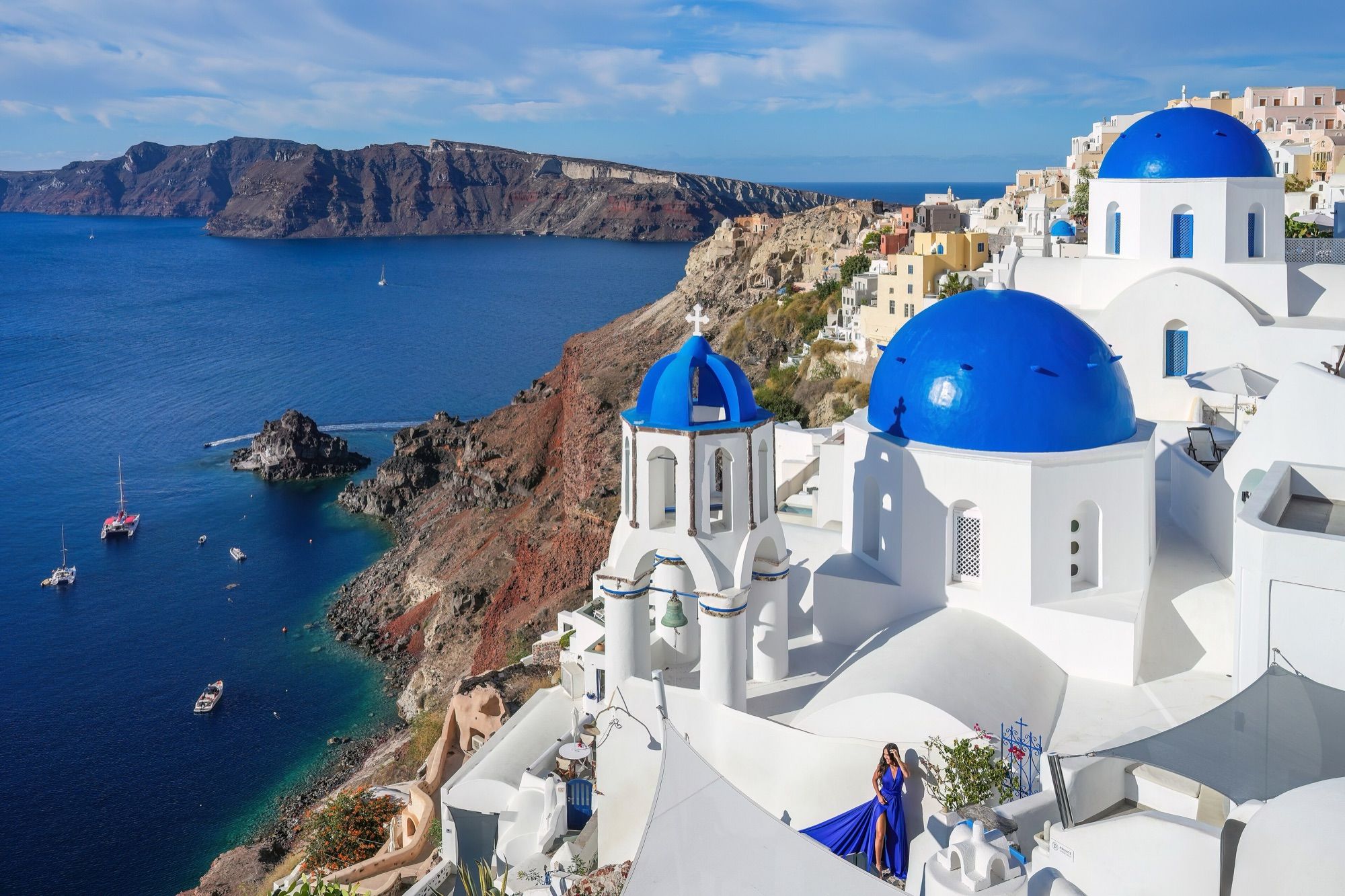
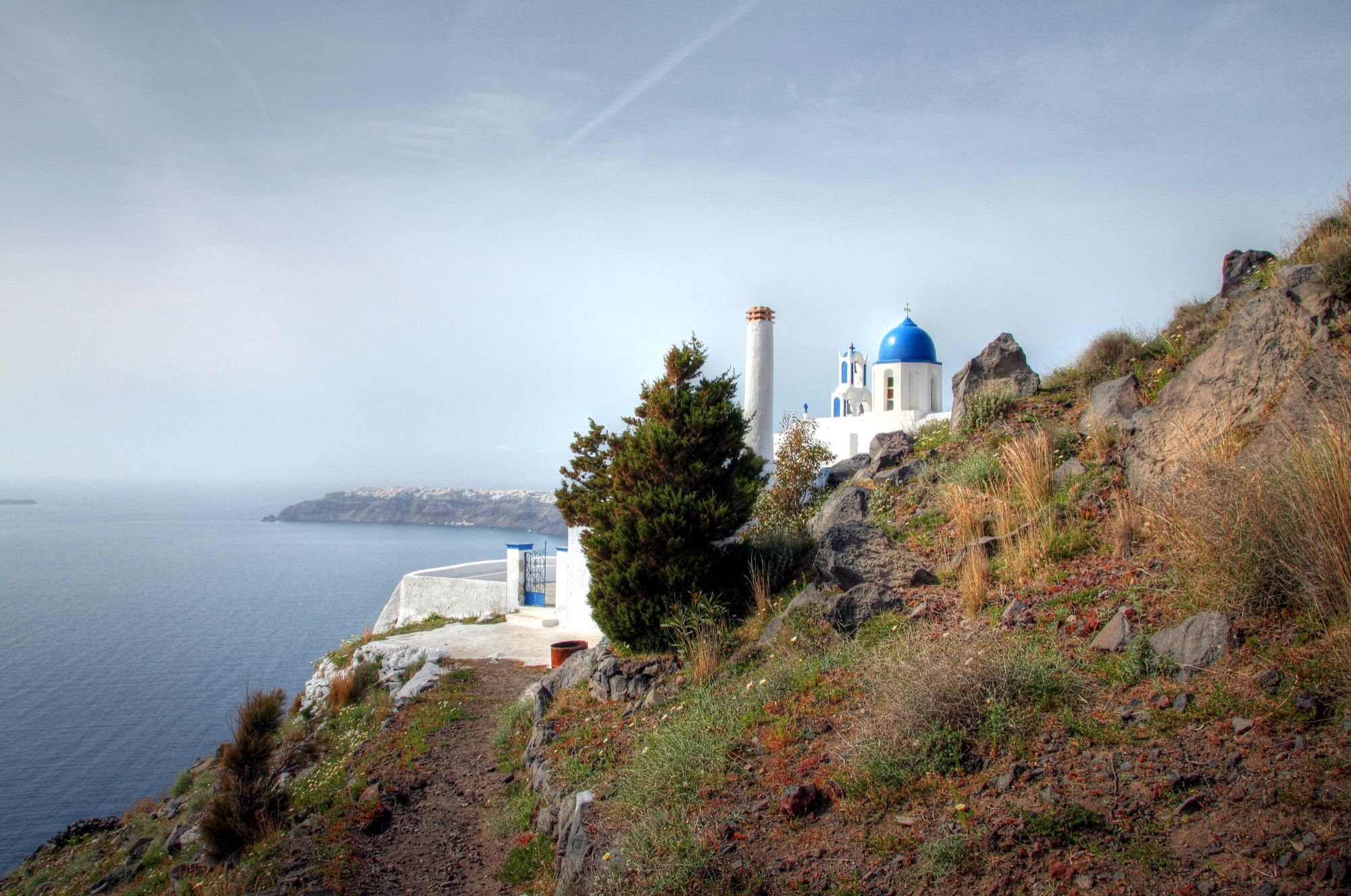
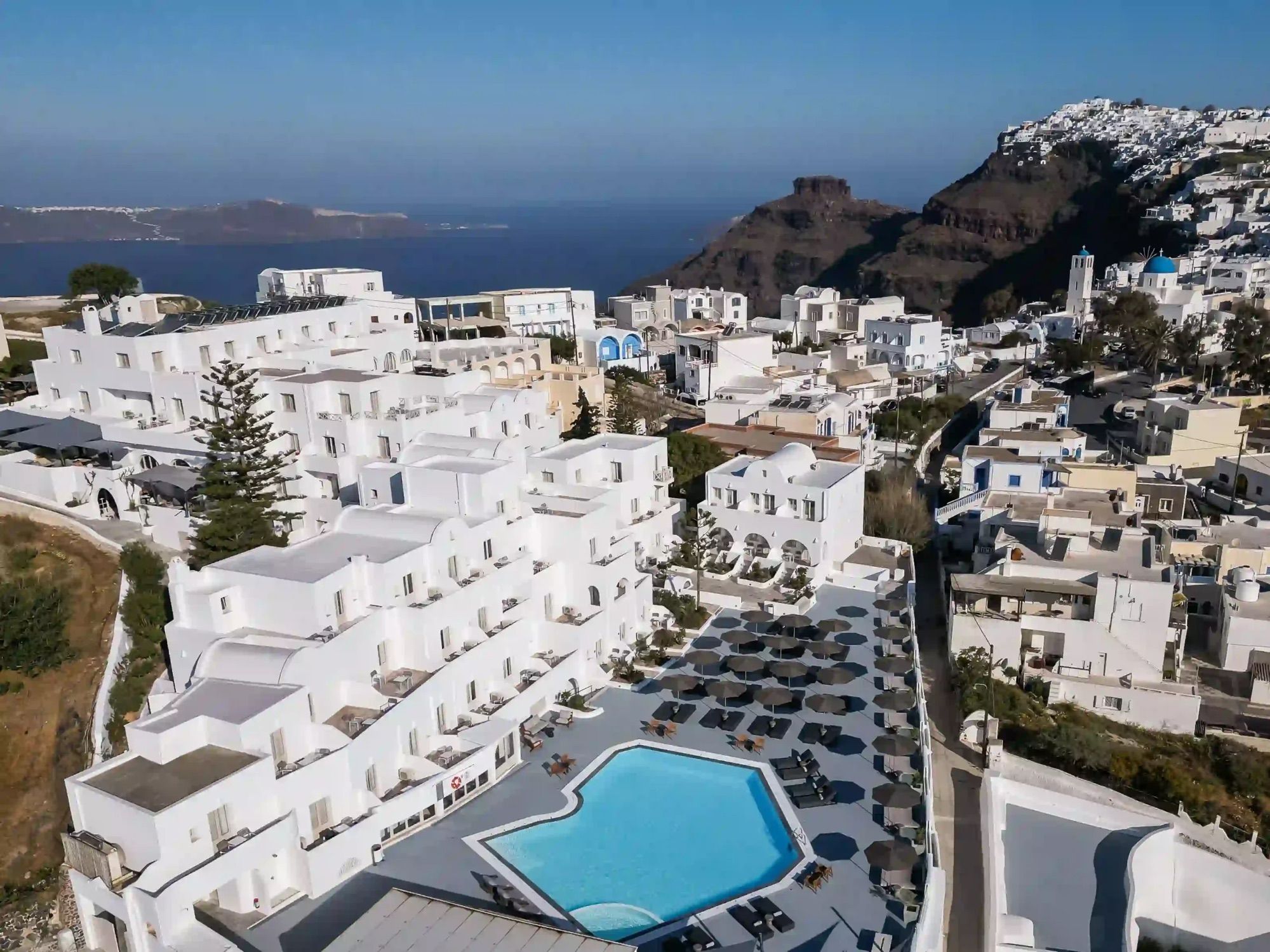
Santorini is the southernmost of the Cyclades, a crescent of land wrapped around a flooded volcanic crater. White villages line the rim of the caldera some 300 metres above the sea, while the gentler east and south coasts slope down to long beaches of black sand. It's small enough to see in a week, and varied enough to fill two.
Why go
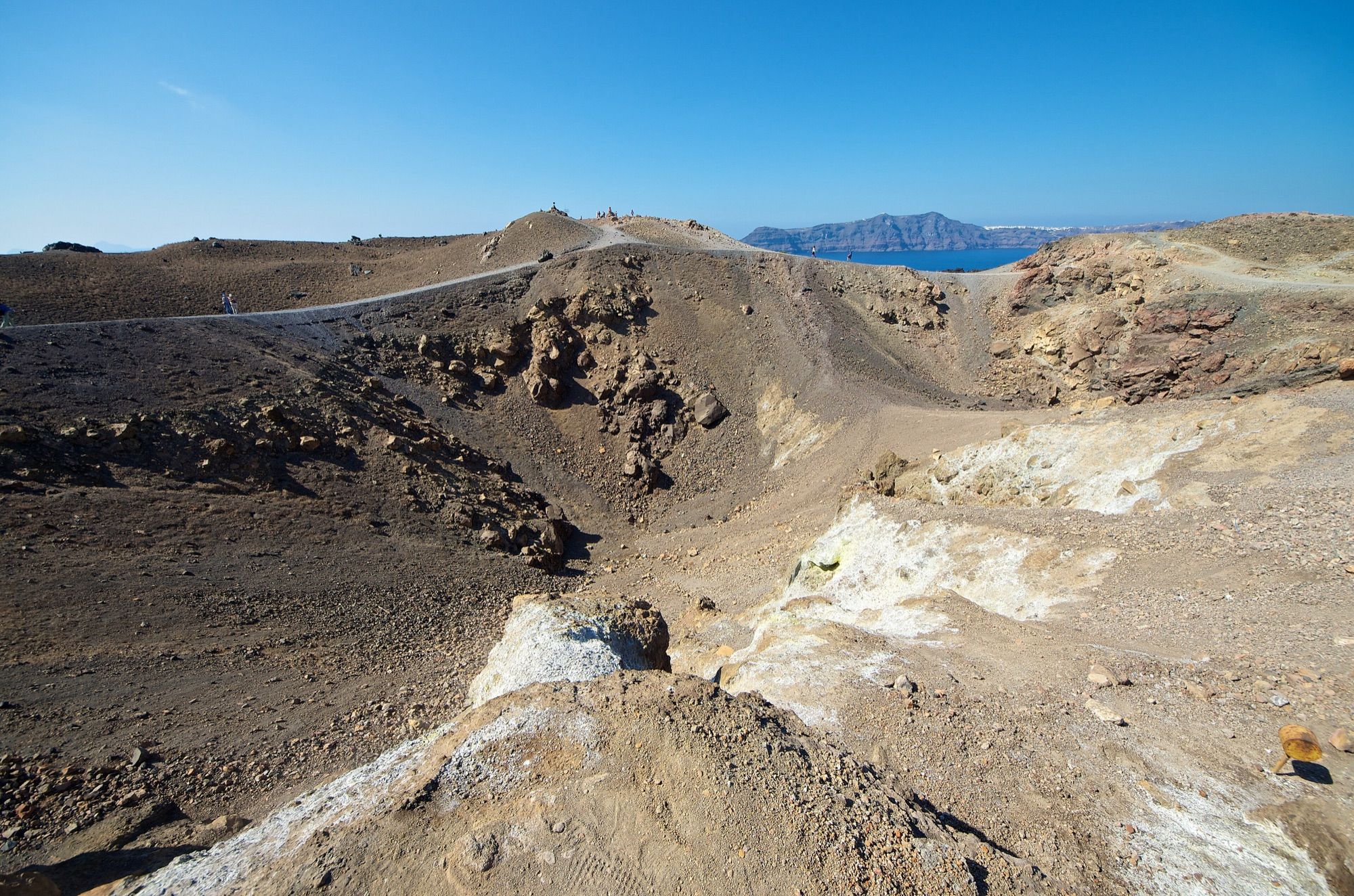
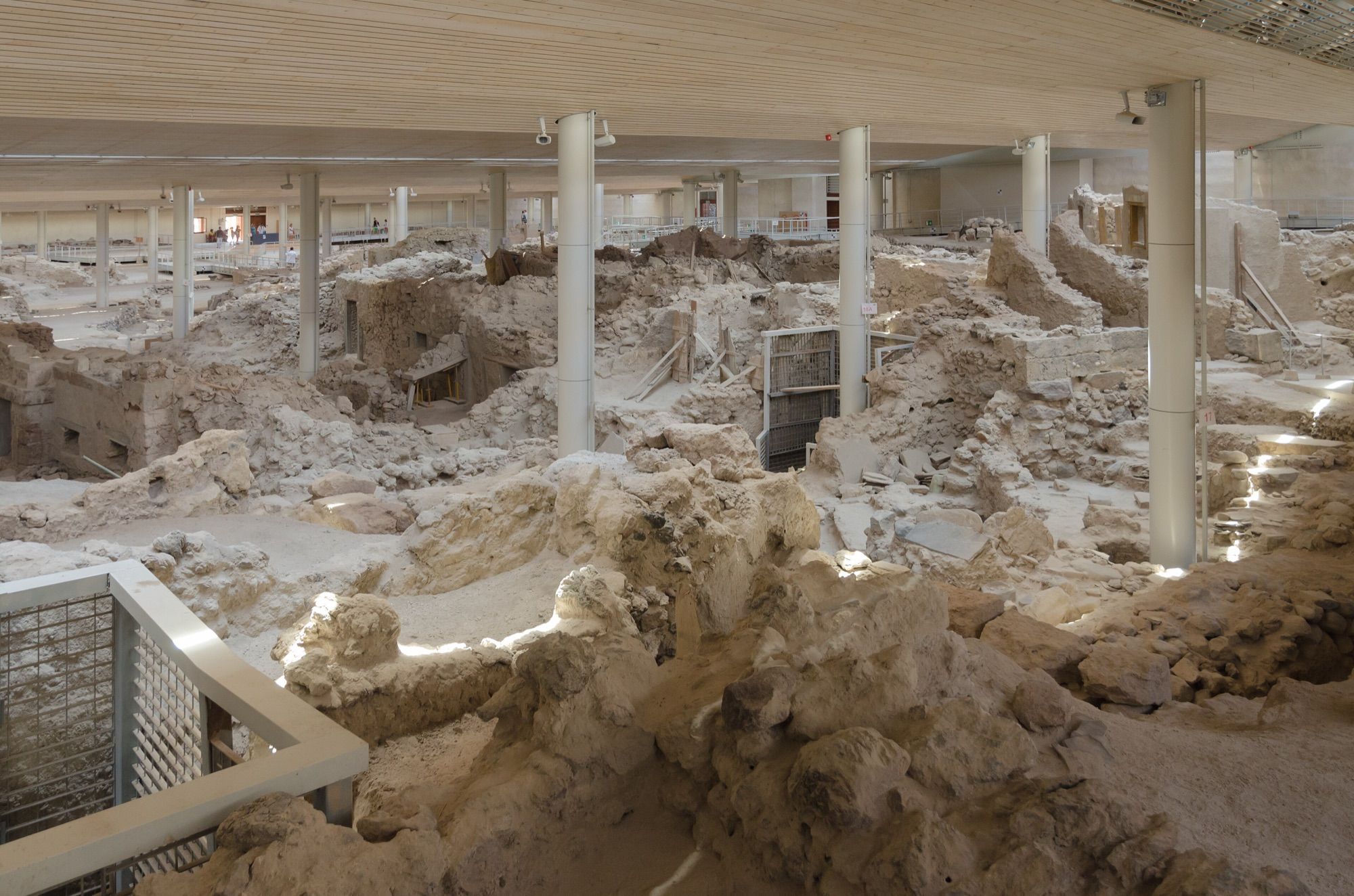
Watch the sun drop behind the caldera from Oia or Firostefani, then take a boat out to the volcano itself and walk up to the steaming craters of Nea Kameni. Swim in the warm springs of Palea Kameni, snorkel off Red Beach and White Beach, and walk through the streets of Akrotiri, a Bronze Age town buried by the great eruption around 3,600 years ago. Santorini also makes some of Greece's most distinctive wines, from vines trained into low baskets to shelter them from the wind.
When to go
The season runs from around April to October. April to June and September to October are the best months: warm, with fewer crowds, and ideal for walking the caldera path. July and August are hot and busy, and cruise ships call most days. Many hotels, restaurants and boat trips close from November to March.
Getting there from the UK
Direct flights take around four hours and run in the summer season. Recent schedules include London Gatwick, Heathrow, Stansted and Luton, Manchester, Birmingham, Bristol and Edinburgh, with easyJet, Jet2, TUI, British Airways and Ryanair. Santorini's airport is on the east side of the island, a short drive from Kamari and Fira. Tell us your nearest airport and we'll find the best connection, including via Athens.
Where to stay
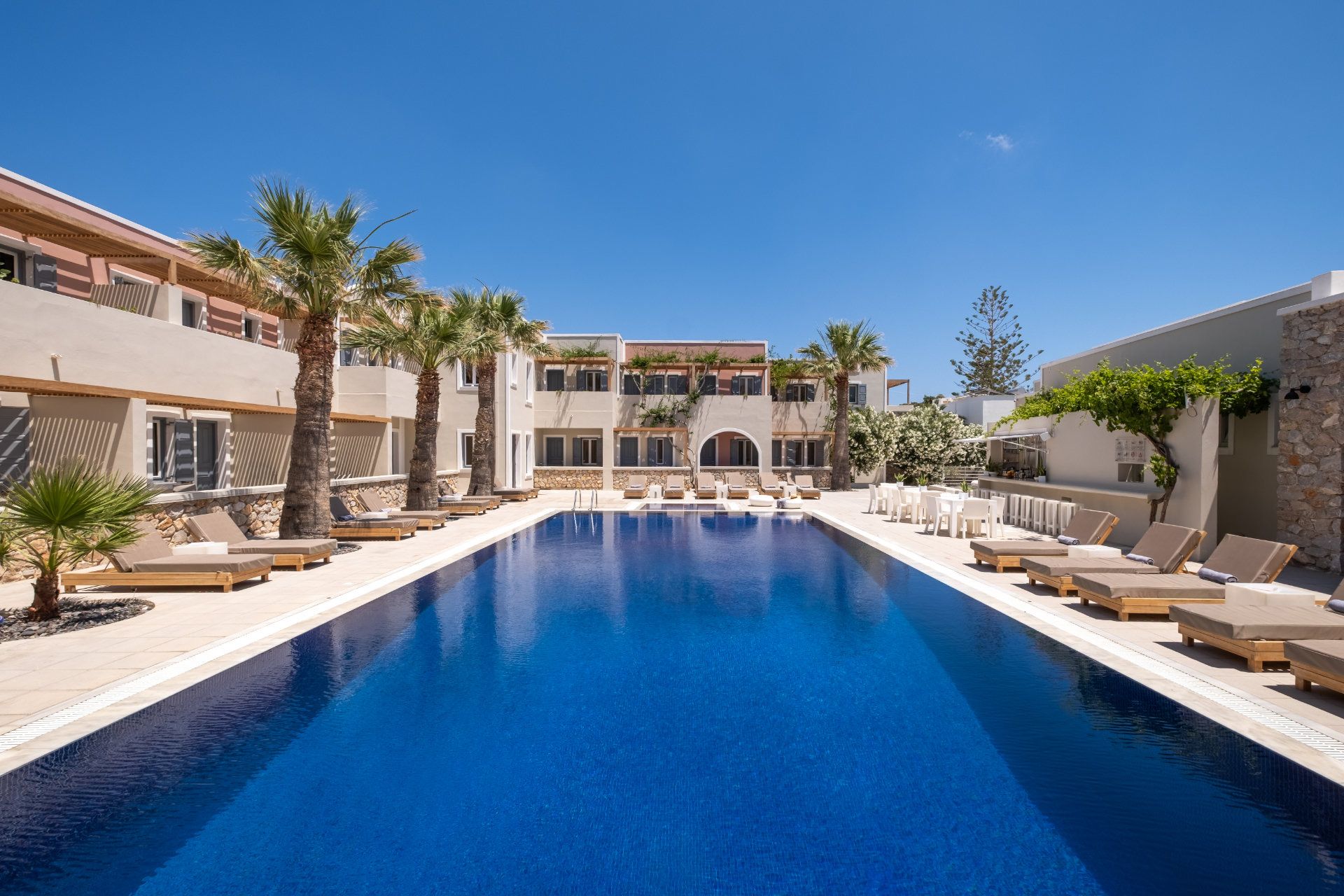
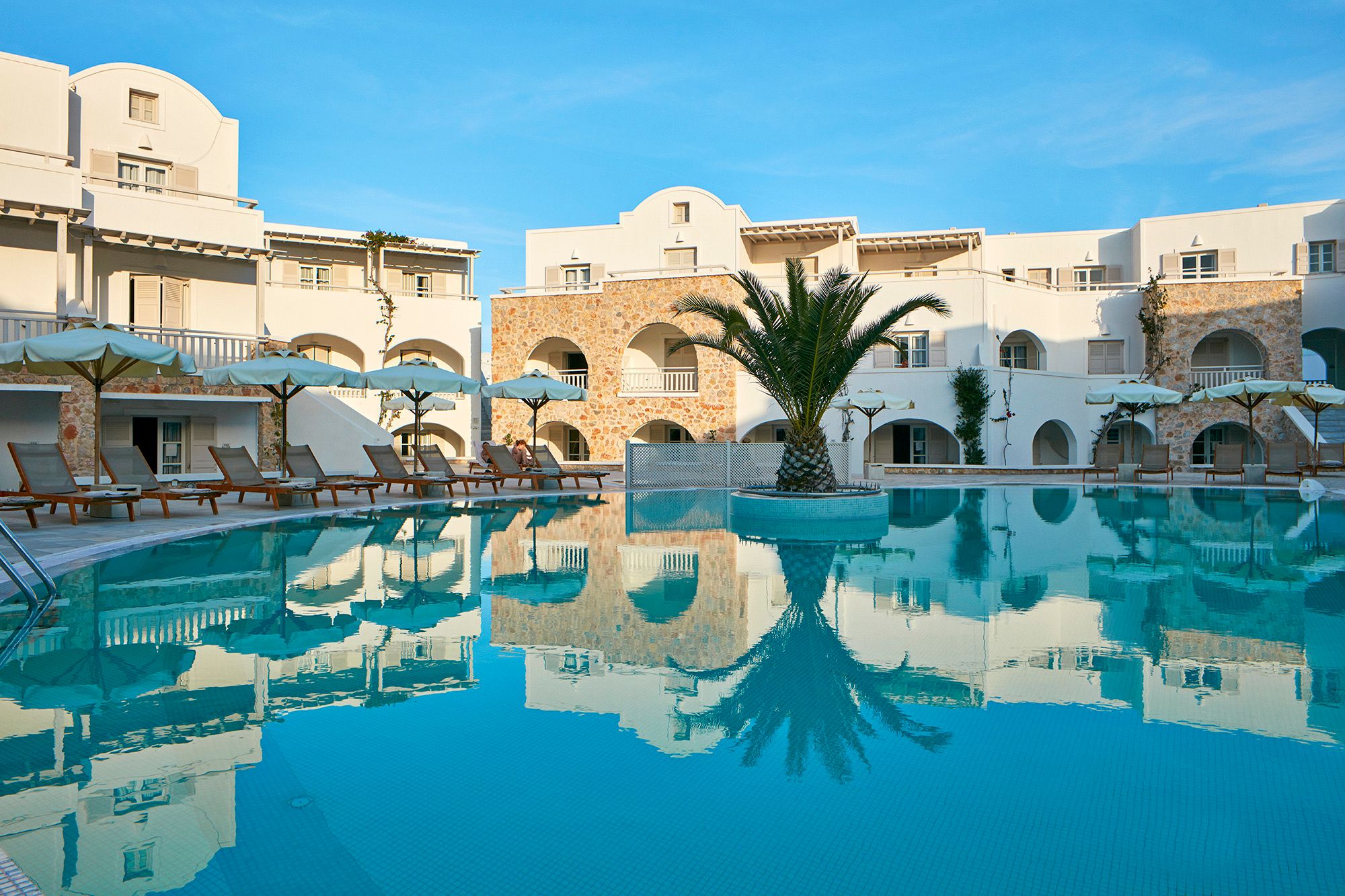
- Fira and Firostefani: the island's lively capital on the caldera rim, with the best bus links, restaurants and sunset views within walking distance.
- Imerovigli and Oia: the highest and most photographed stretch of the caldera. Beautiful, but prices are higher and there are many steps.
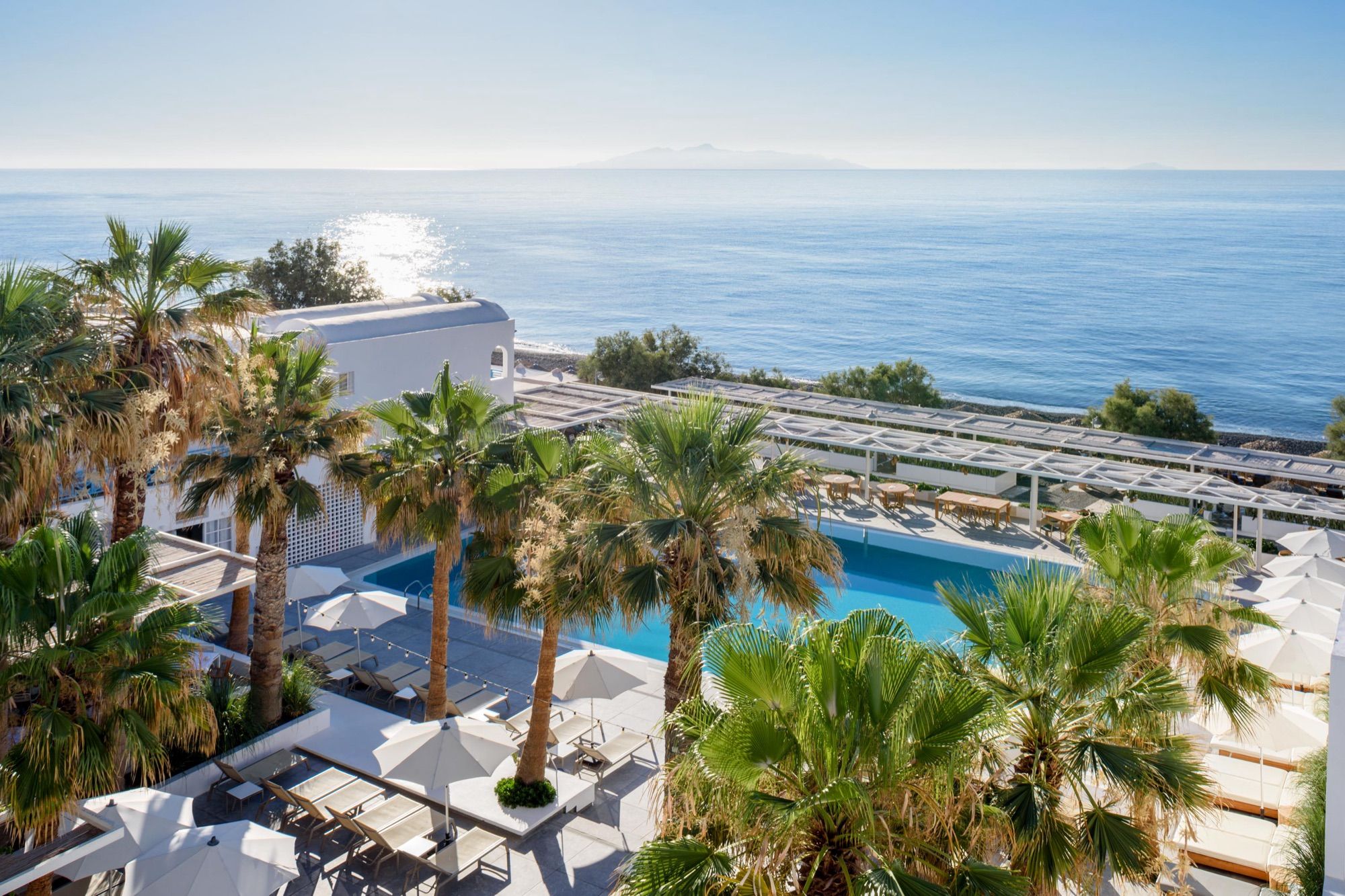
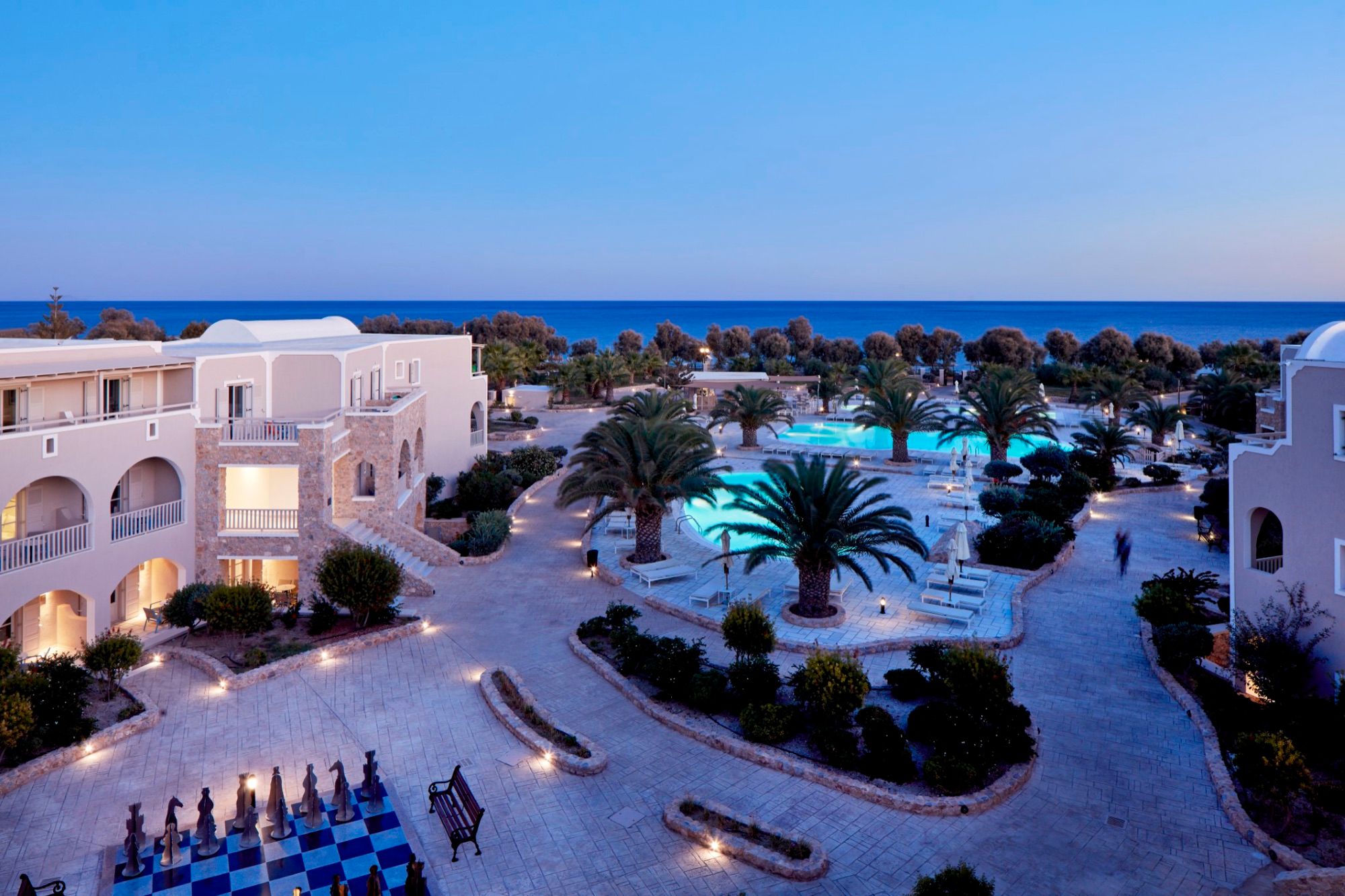
- Kamari: a relaxed resort on a black-pebble beach with a car-free seafront promenade, tavernas and an open-air cinema. Good for families and couples.
- Perissa and Perivolos: a long black-sand beach on the south coast with beach bars and good-value hotels, below the rock of Mesa Vouno.
What to do
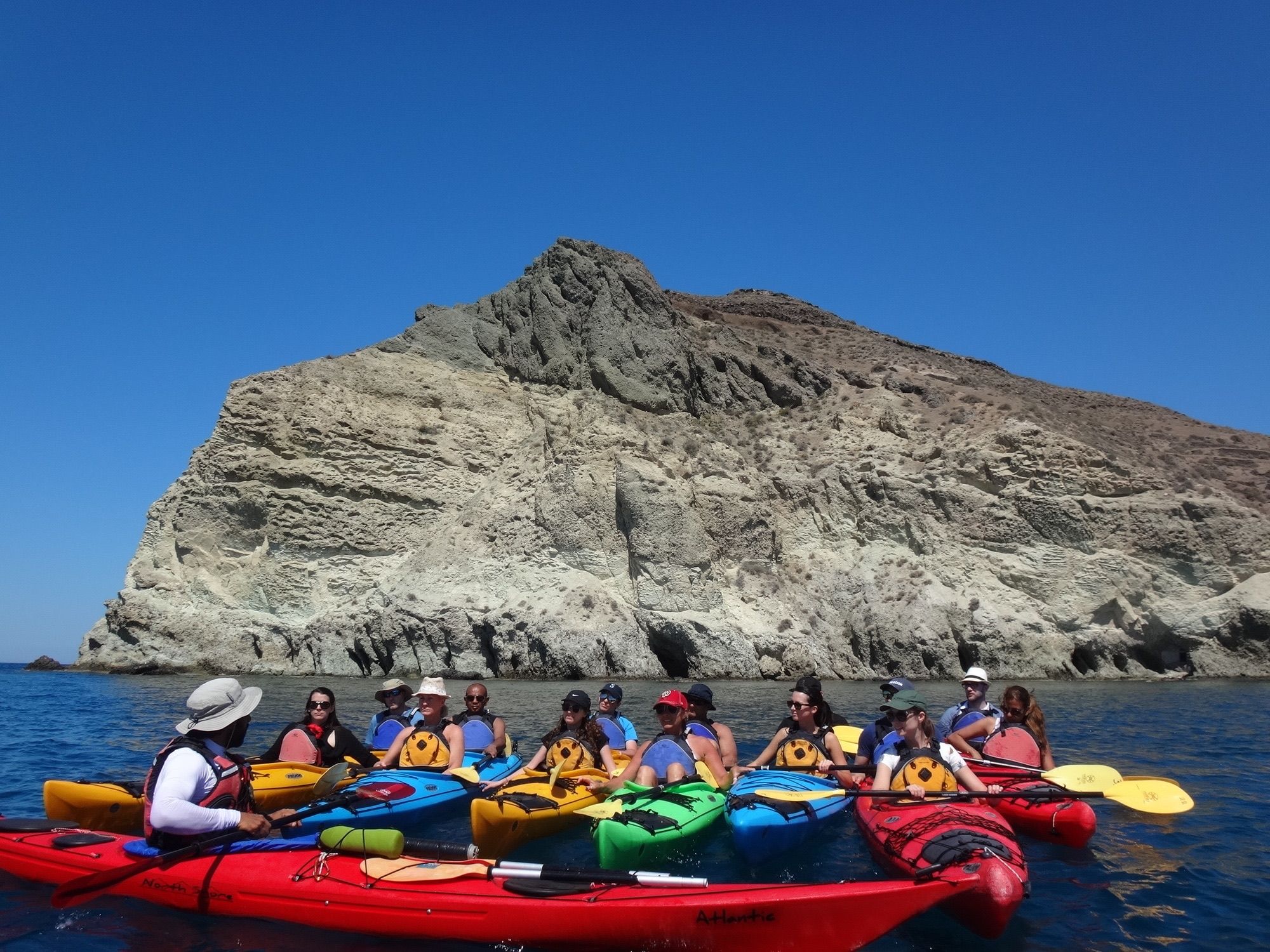
- Sail across the caldera to the volcano, the hot springs and the island of Thirassia.
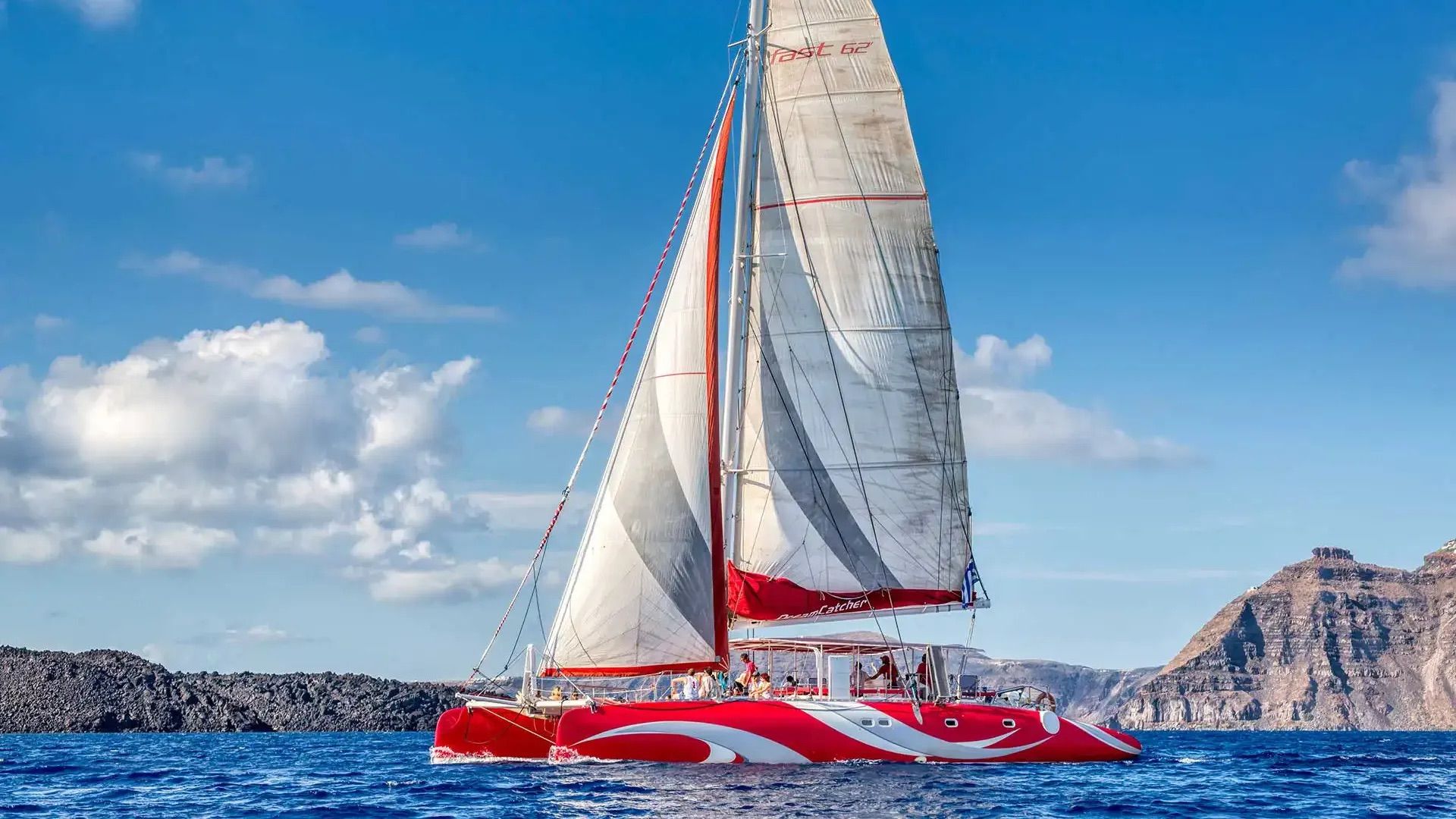
- Join a catamaran cruise along the south coast, with swim stops and a barbecue on board.
- Visit the roofed excavations at Akrotiri, then look down on Red Beach.
- Walk the 11 km caldera path from Fira to Oia, past Imerovigli and Skaros Rock.
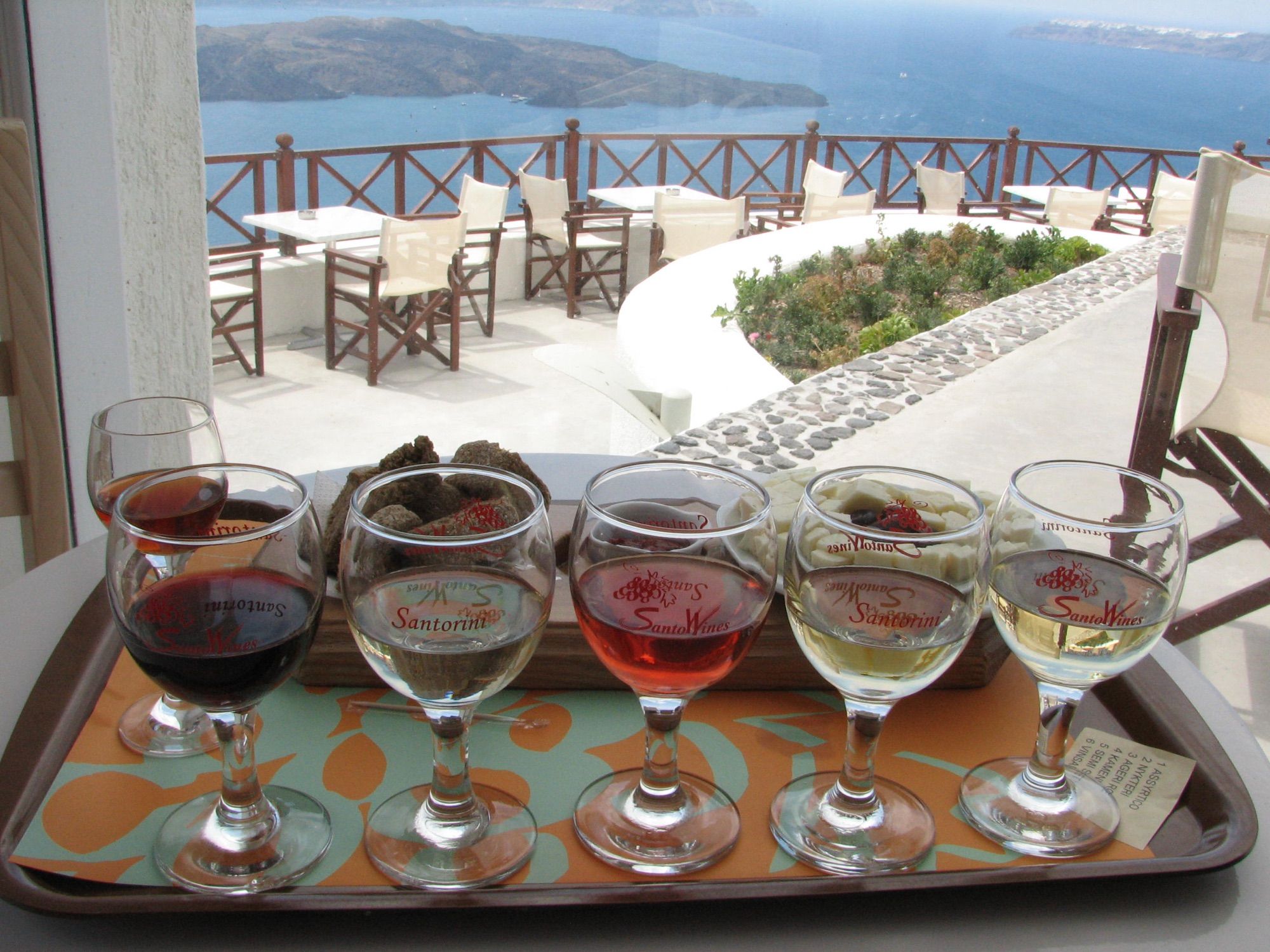
- Taste Assyrtiko and sweet Vinsanto at the island's wine estates.
- Explore Pyrgos, one of the best-preserved inland villages, and the ruins of Ancient Thera above Kamari.
Food
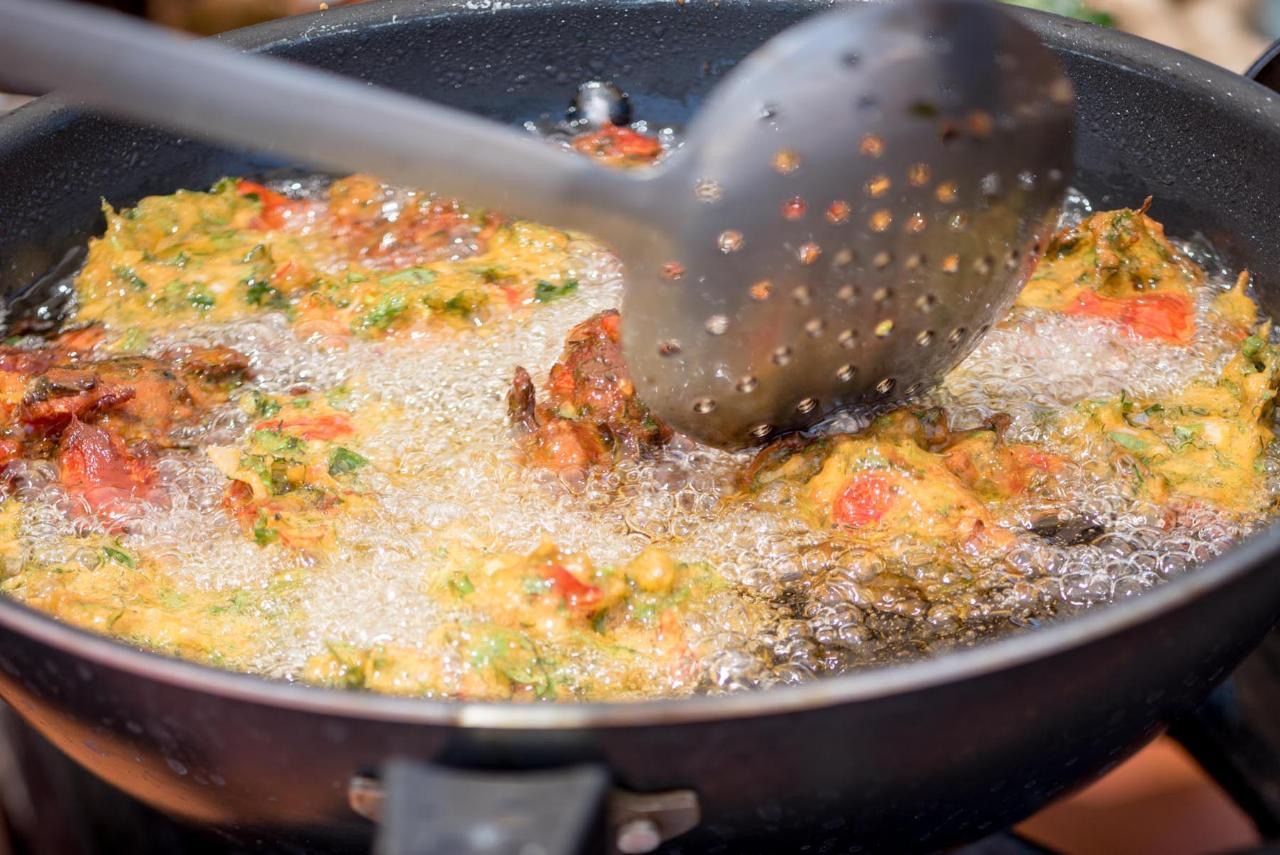
The volcanic soil gives small, intense produce. Try fava (a warm yellow split-pea purée with olive oil and capers), tomato keftedes (fritters made with sweet local cherry tomatoes) and chlorotyri, a fresh goat's cheese. Head to the fishing harbours of Vlychada or Ammoudi for grilled fish, and finish with a glass of Vinsanto. Caldera-view restaurants charge for the view, so eat a street or two back for better value.
Good to know
- Currency: euro (EUR).
- Time: two hours ahead of the UK.
- Plugs: type C and F, 230 V. Bring an adaptor.
- Language: Greek. English is widely spoken in hotels and restaurants.
- Getting around: local buses run from Fira to most villages and beaches. Hire cars and quad bikes are popular, and parking in Oia and Fira is tight in summer.
- Steps: caldera hotels and villages involve a lot of steps, so tell us about any mobility needs.
- Entry: check the latest GOV.UK advice for Greece before you travel.
Tell us your dates and airport, and we'll build your Santorini holiday around them.