Barbados
Calm west-coast bays, lively south-coast beaches, rum, cricket and Friday fish fries, with direct flights from several UK airports.
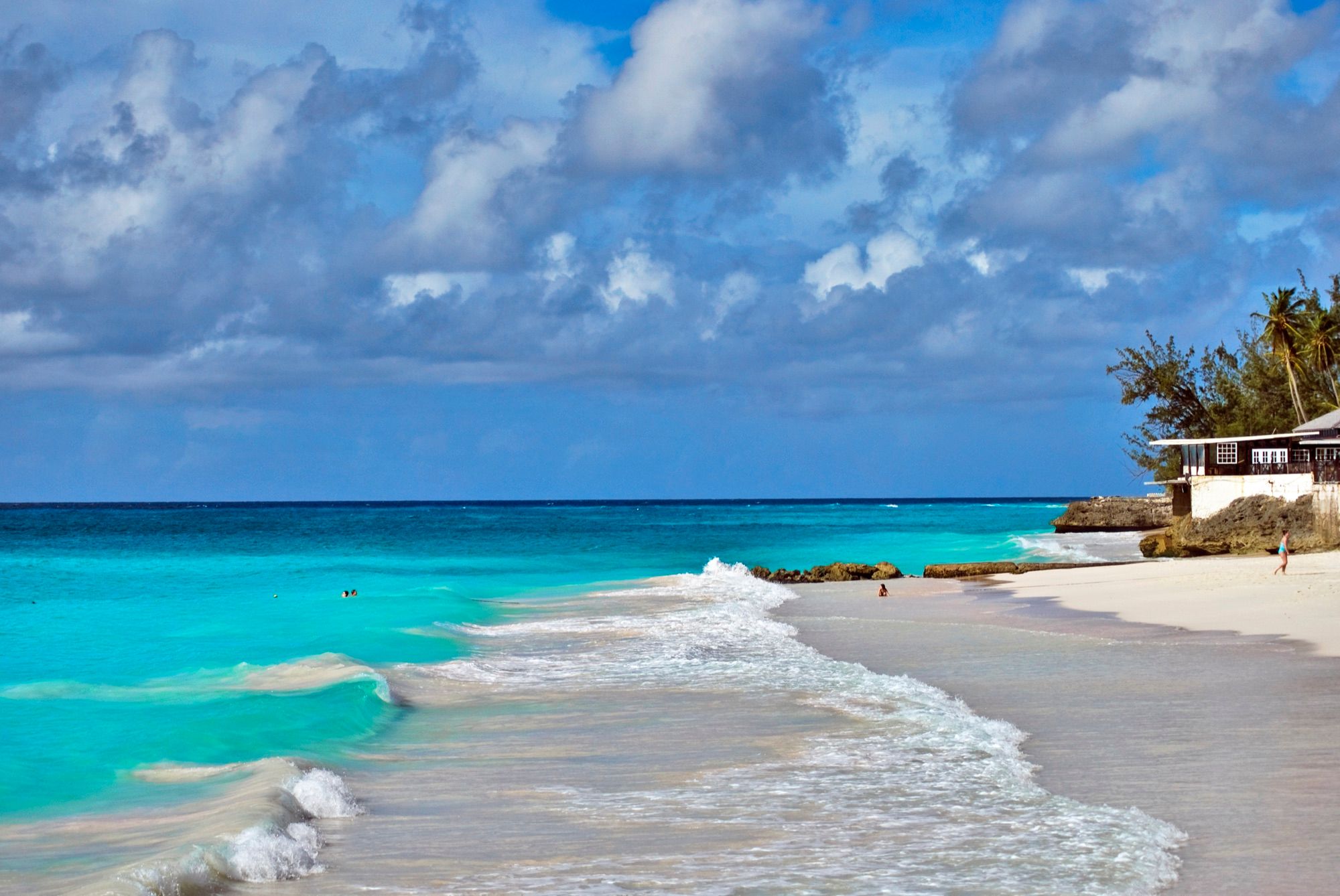
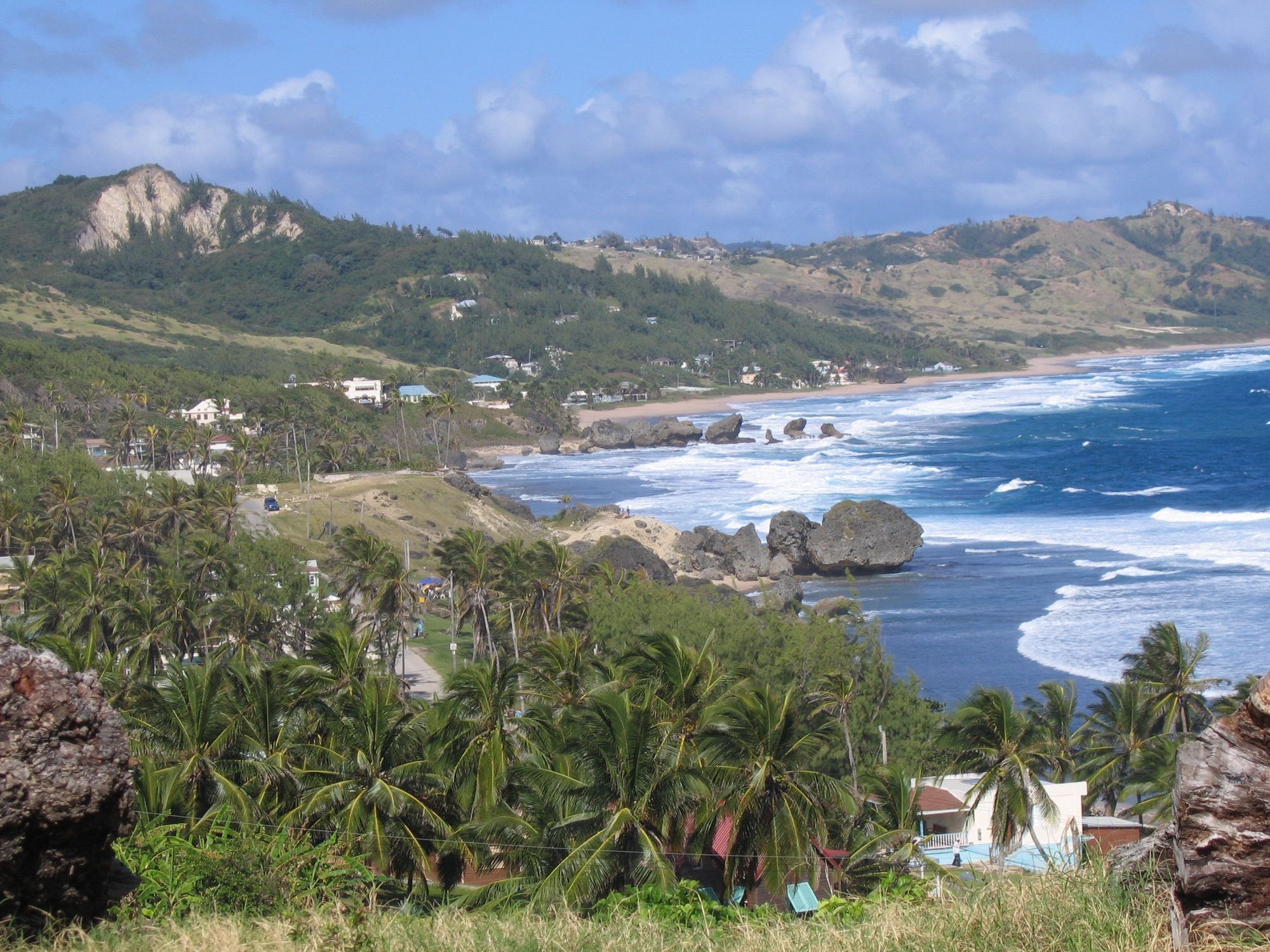
Barbados is the most easterly island of the Caribbean, a coral island ringed with beaches and just big enough to feel different on every side. The west coast is calm and sheltered, the south coast is sociable and busy, and the Atlantic east coast is wild, green and made for a day out. English is the official language, you drive on the left and cricket is close to a religion, so British visitors settle in fast.
Why go
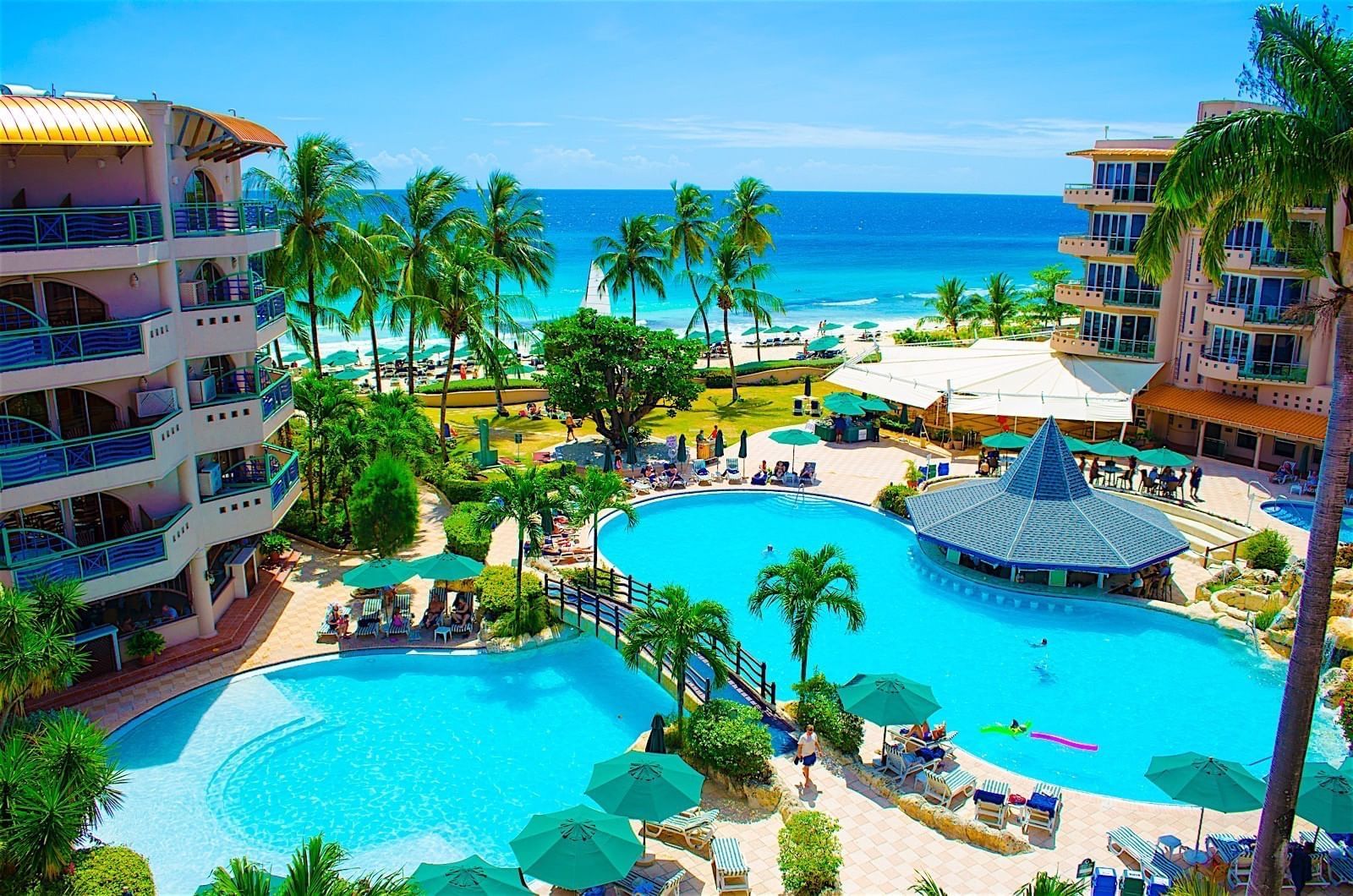
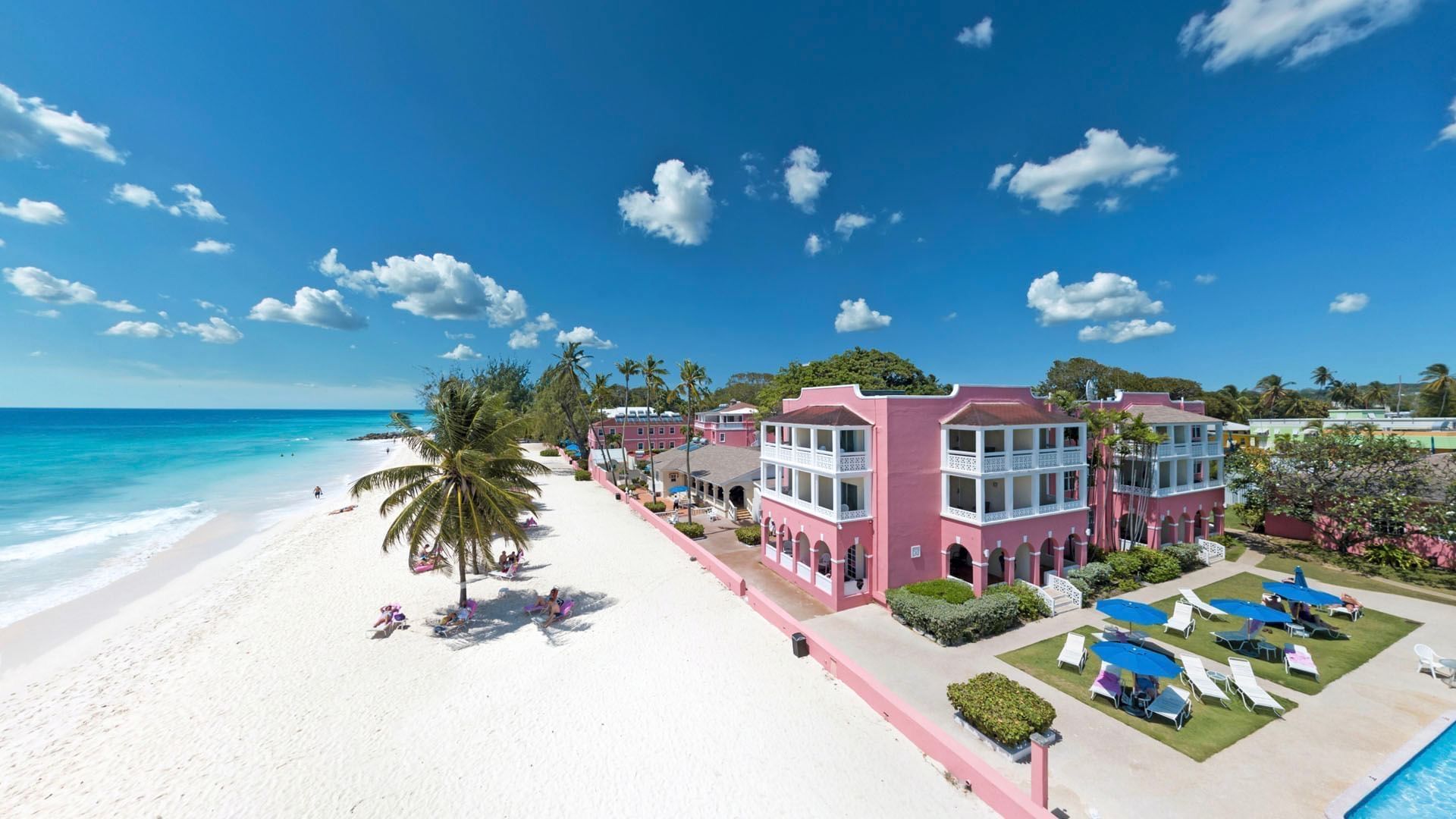
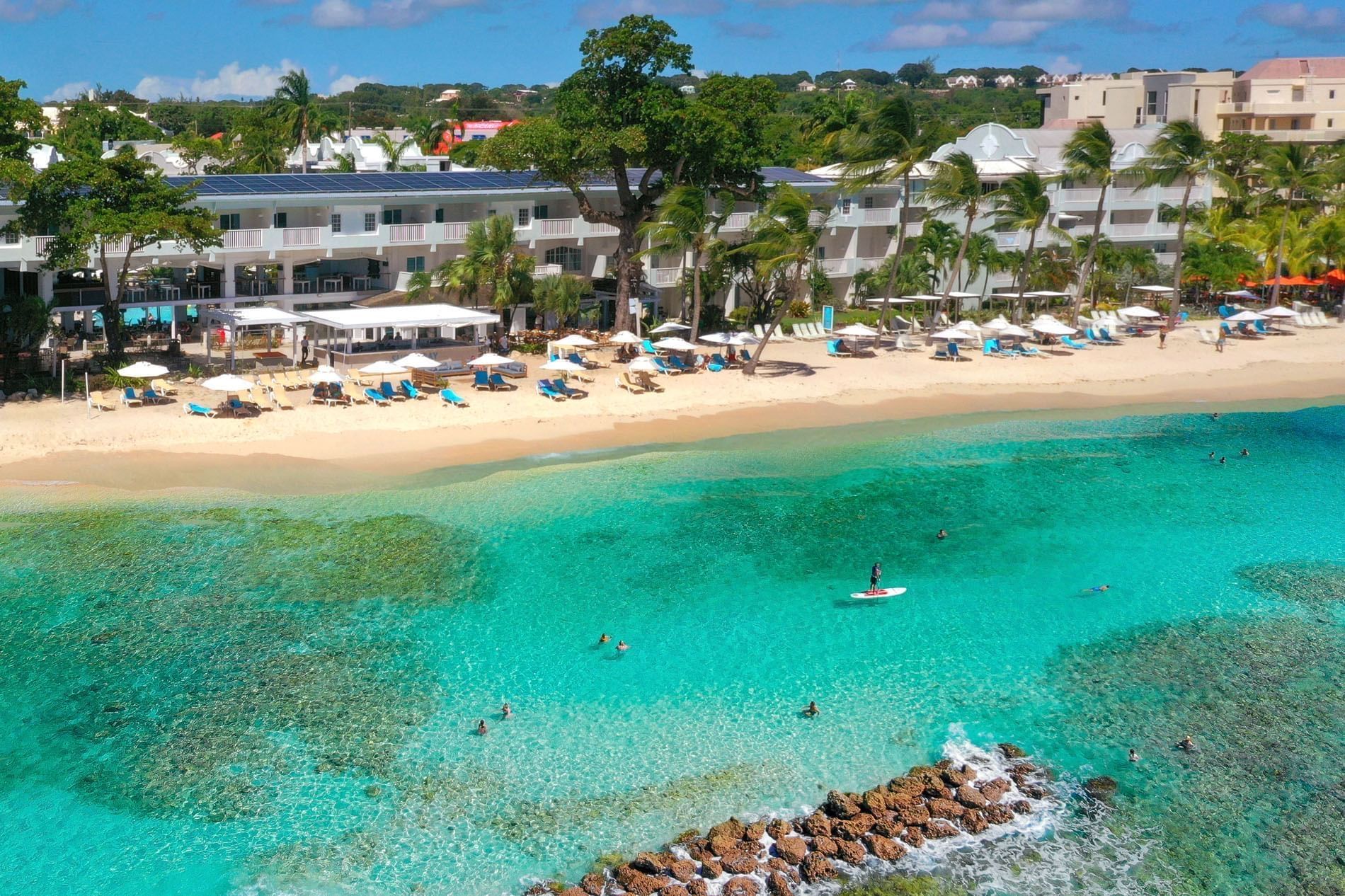
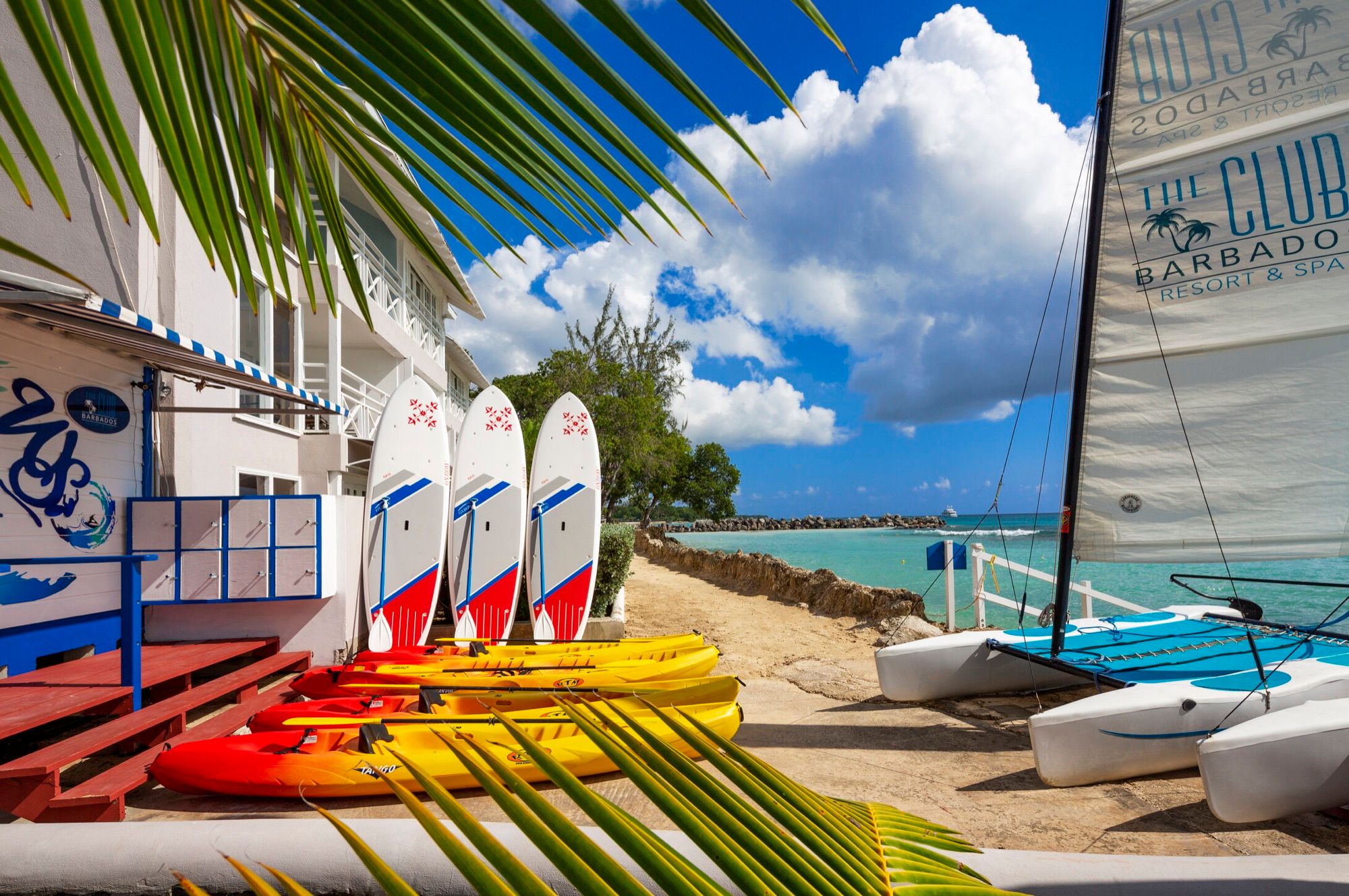
- Two very different beach coasts. Swim in glassy water off Holetown on the west coast, or stay on the south coast for water sports, bars and restaurants on the doorstep.
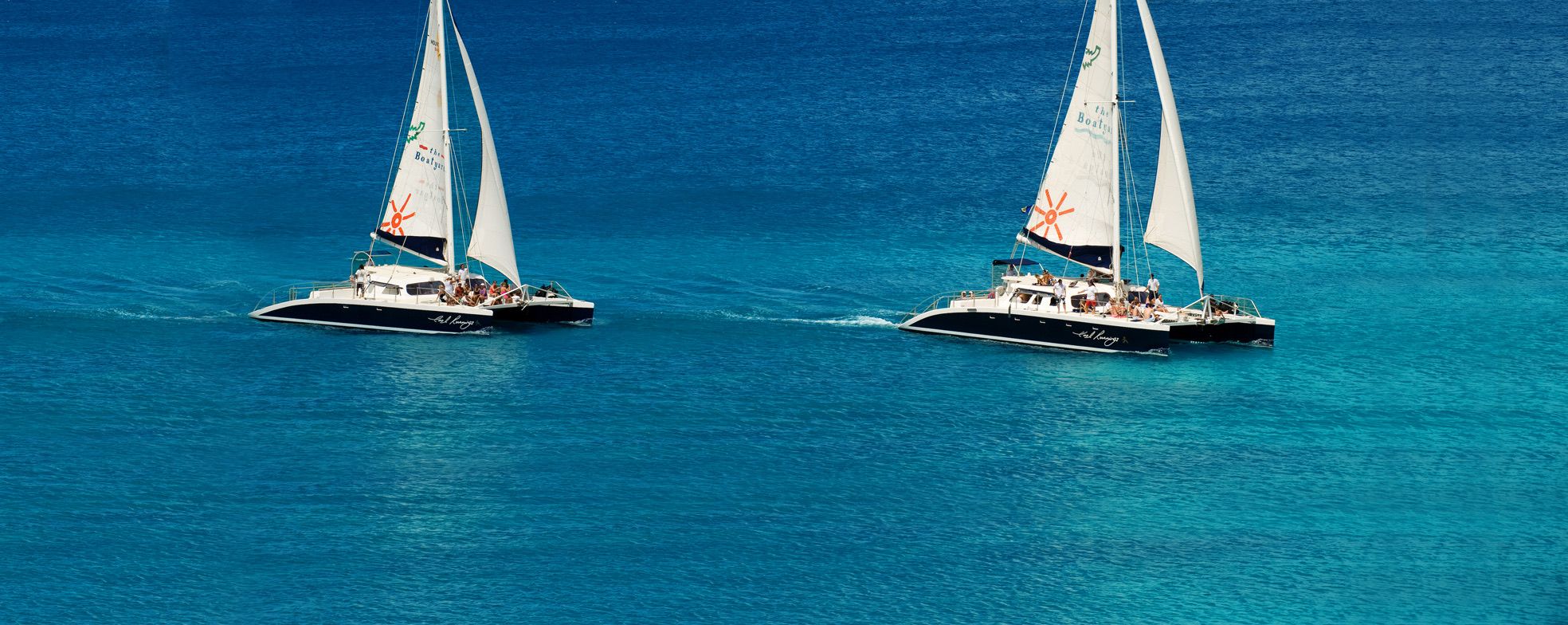
- Turtles and wrecks close to shore. Catamaran trips stop to snorkel with sea turtles and over shallow shipwrecks in Carlisle Bay.
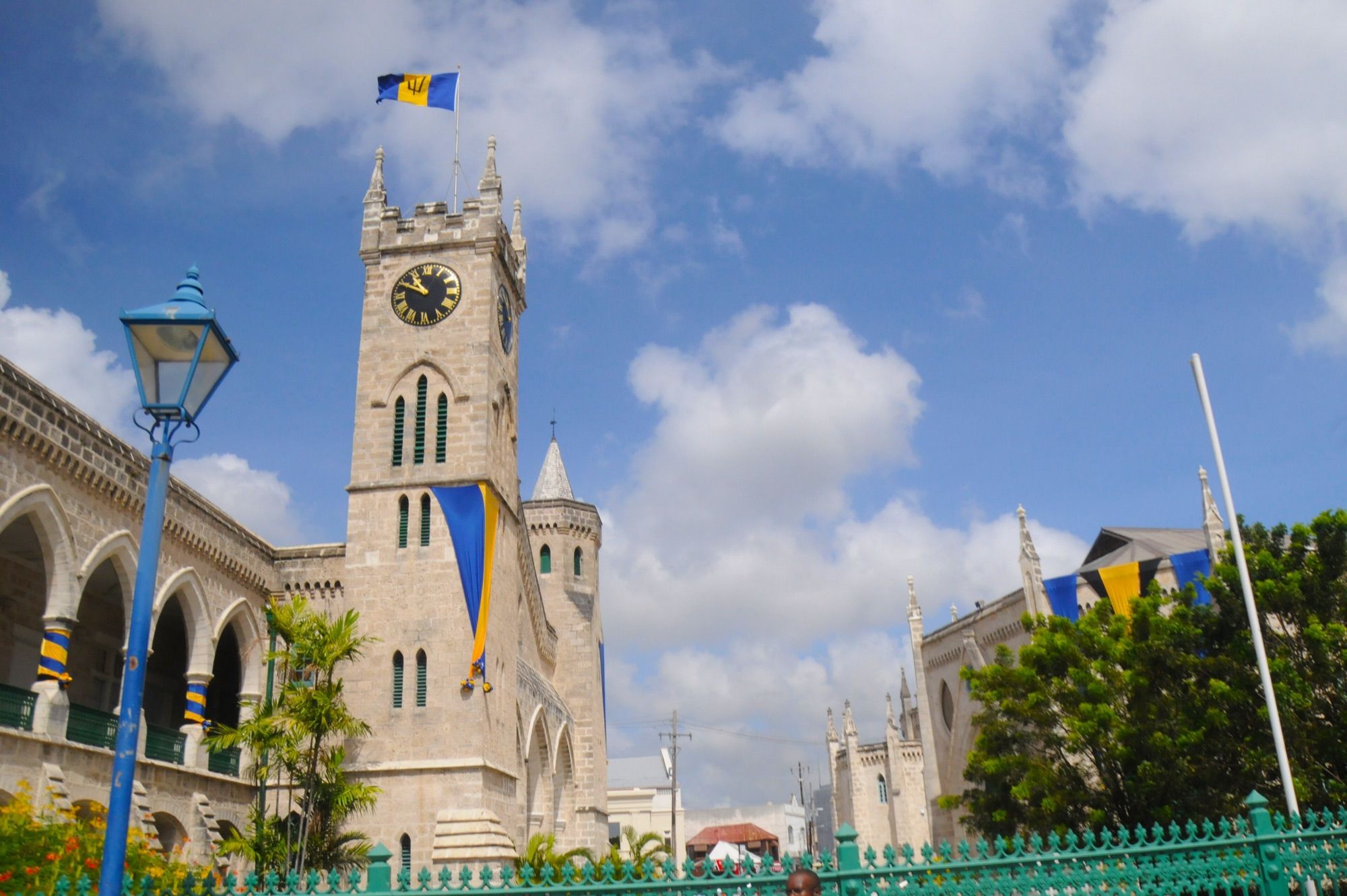
- History you can walk through. Historic Bridgetown and its Garrison are a UNESCO World Heritage Site, and plantation houses such as St Nicholas Abbey date back to the 1600s.
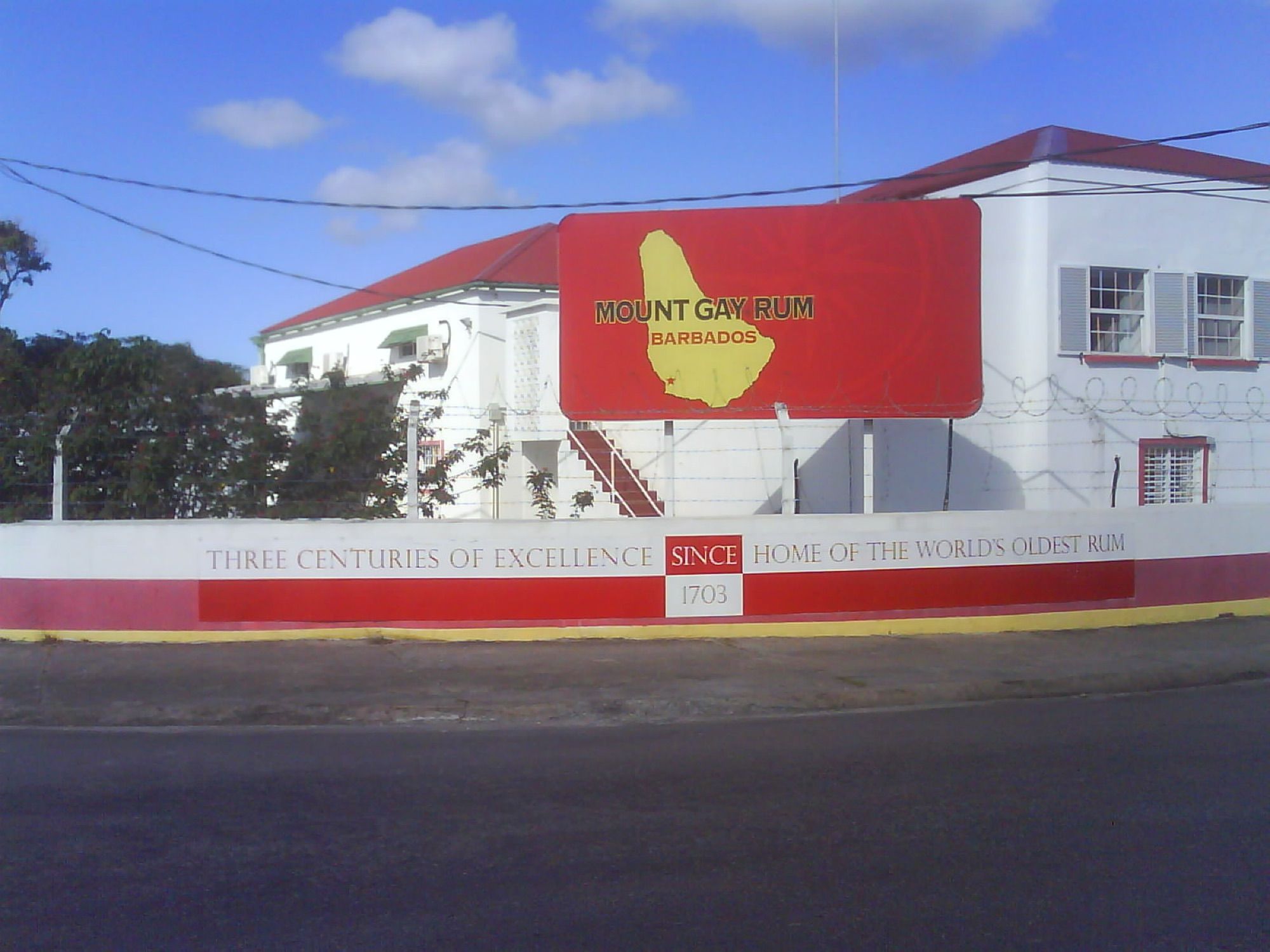
- Rum country. Mount Gay traces its history to a 1703 deed, making it the world's oldest commercial rum distillery.
When to go
It is warm all year, with average temperatures of about 24–28 °C. The drier season runs from December to June, when the trade winds keep things fresh; this is the most popular time for UK visitors, especially over winter. Rain falls mainly between July and December, peaking in September and October, and the Atlantic hurricane season runs from June to November. Summer brings Crop Over, the island's biggest festival.
Getting there from the UK
Barbados is one of the best-connected Caribbean islands from the UK. British Airways and Virgin Atlantic fly from London Heathrow, and in the winter season there are also direct flights from London Gatwick, Manchester, Birmingham, Glasgow and other UK airports with TUI and other carriers. The flight from London takes around 8 to 9 hours. Grantley Adams International Airport is on the south coast, about 15–20 minutes from St Lawrence Gap and around 45 minutes from Holetown.
Where to stay
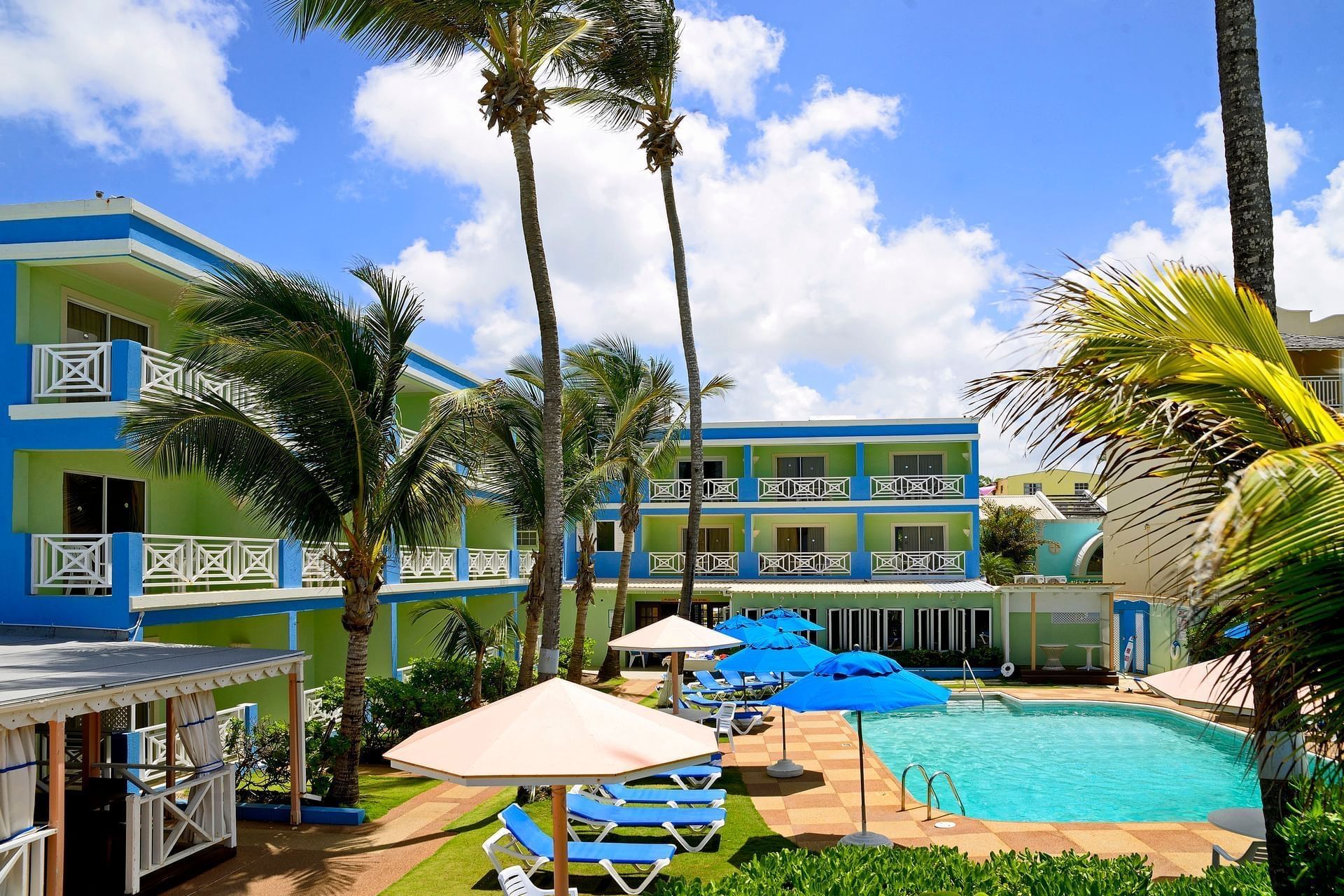
- South coast (Hastings, Rockley, St Lawrence Gap, Dover): the liveliest area, with long beaches, water sports, restaurants and nightlife, and the shortest airport transfer. Good value and good for first-timers.
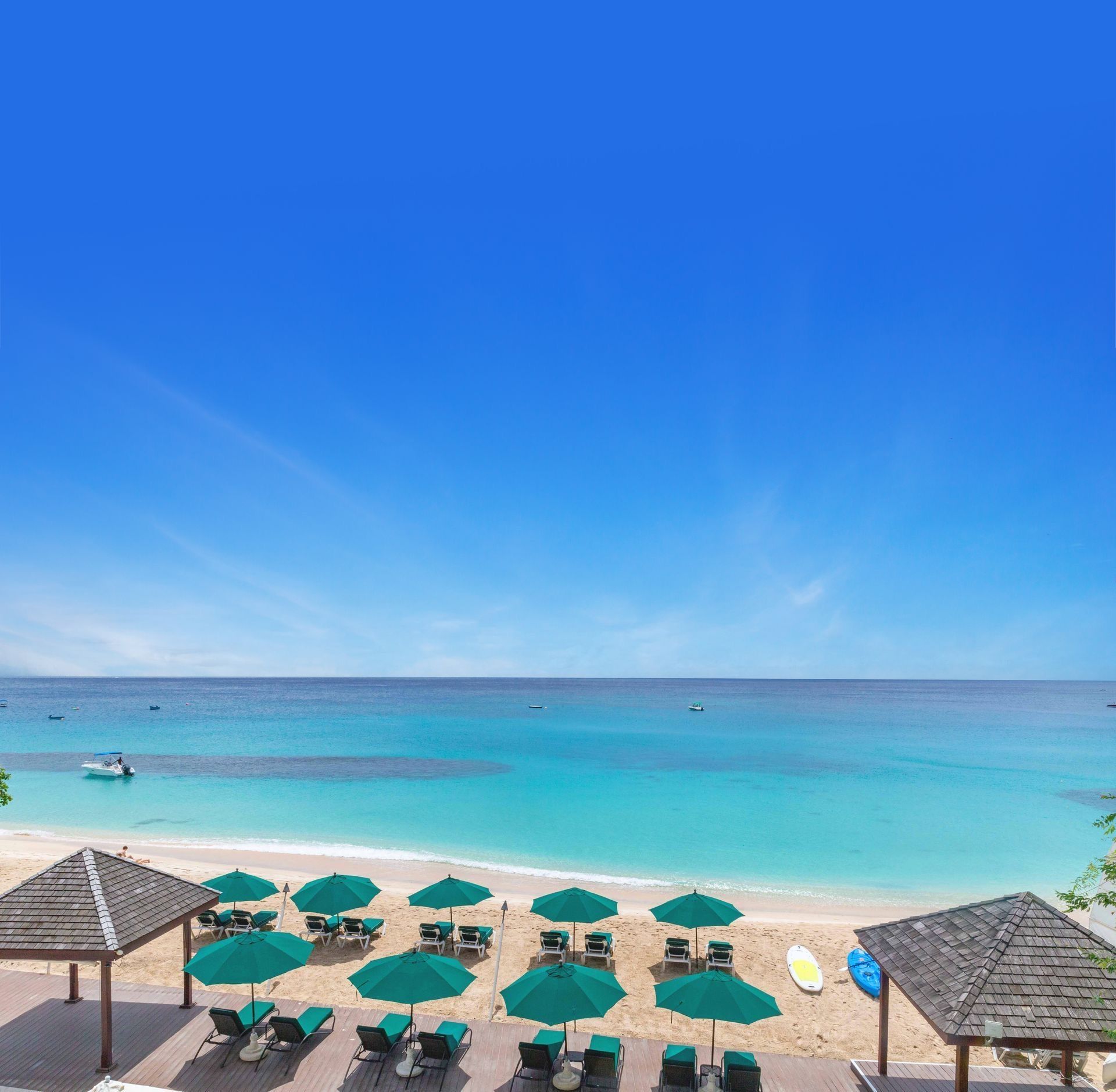
- West coast (Holetown, Speightstown): calmer water, sunsets over the sea and a more relaxed pace. Holetown has shops, restaurants and the Limegrove centre within walking distance.
- East coast (Bathsheba): dramatic Atlantic scenery and surf, best seen on a day trip rather than as a swimming base.
What to do
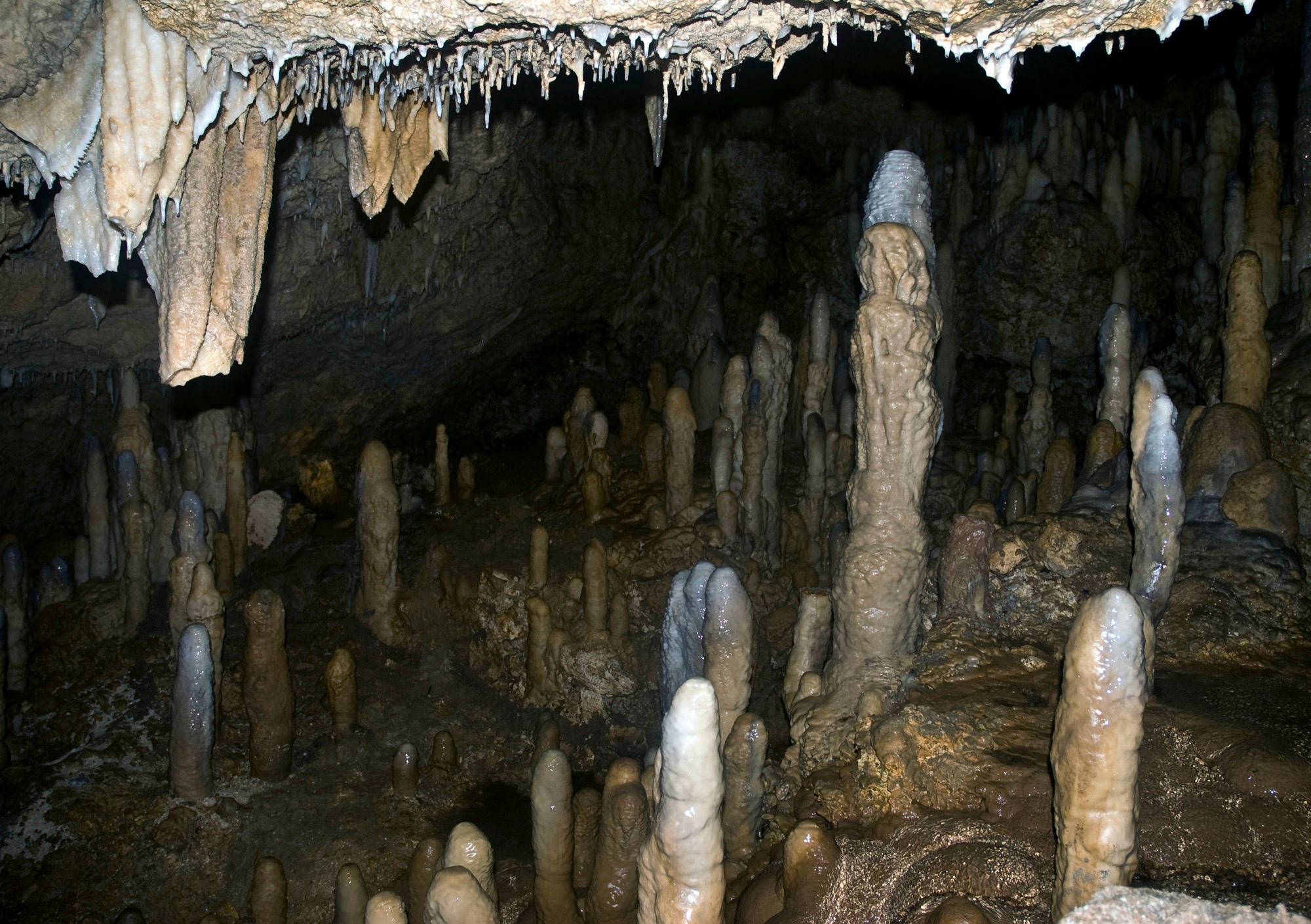
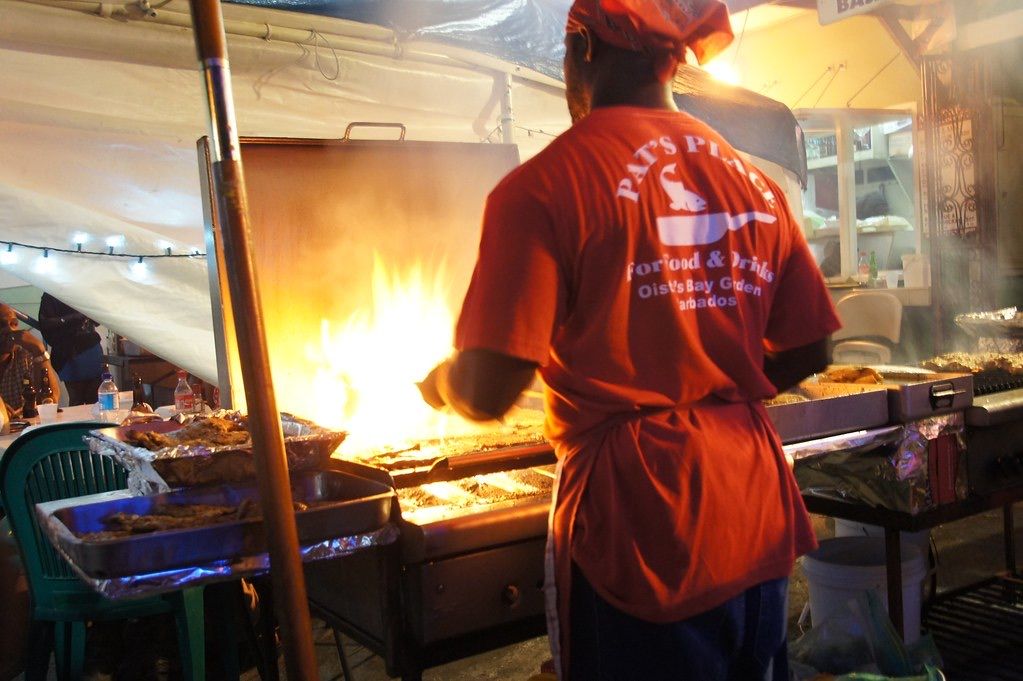
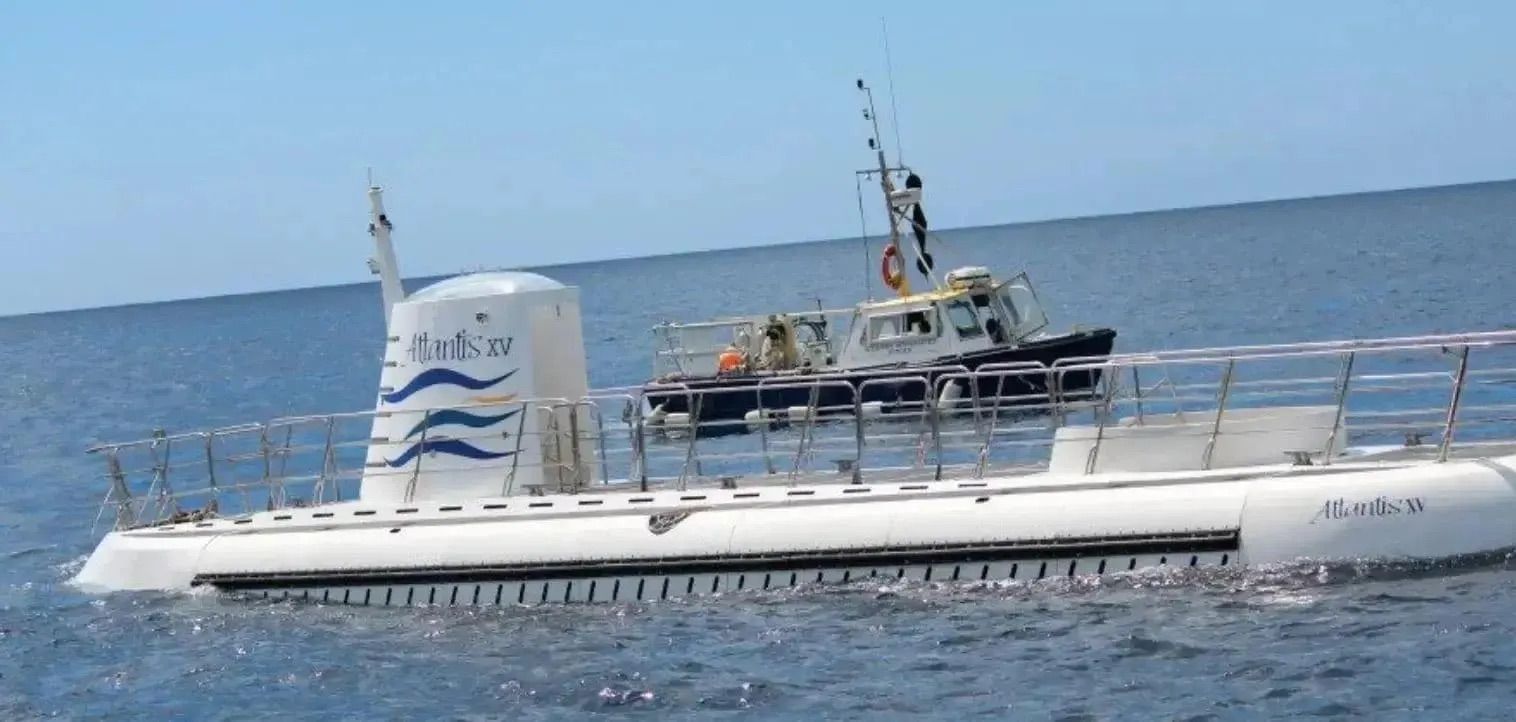
Sail along the west coast by catamaran and snorkel with turtles. Ride the tram through Harrison's Cave. Spend a day touring the island: the lion at Gun Hill, the rock stacks at Bathsheba and the Jacobean great house at St Nicholas Abbey. Taste rum at Mount Gay, dive to 150 feet in the Atlantis submarine, walk historic Bridgetown and the Garrison, and on Friday night join the crowds at the Oistins fish fry.
Food
The national dish is flying fish and cou-cou, a cornmeal and okra mash. Try cutters (salt-bread sandwiches), fish cakes, macaroni pie and spicy pepperpot, and don't leave without a rum punch. Oistins is the place for grilled fish straight off the boats.
Good to know
- Currency: Barbados dollar (BBD), fixed at 2 to 1 US dollar. US dollars are widely accepted.
- Time: GMT-4 (4 hours behind the UK in winter, 5 in summer).
- Plugs: 115 V with US-style sockets, so bring an adaptor.
- Language: English, plus the local Bajan dialect.
- Driving: on the left.
- Entry: check the latest entry requirements and online arrival forms before you travel.
Tell us your airport and dates and we'll put together your Barbados holiday.